






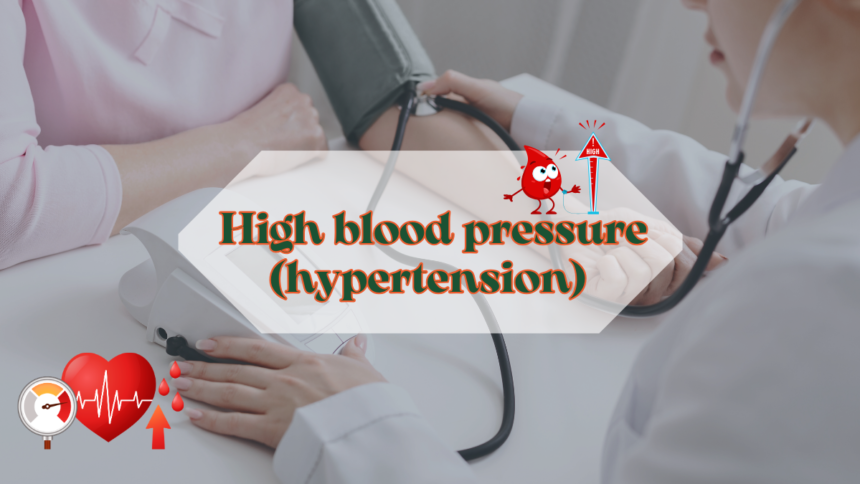
High blood pressure (hypertension)
Imagine walking around with a ticking clock inside your chest, completely unaware it is there. No pain. No flashing warning light. No dramatic symptoms to send you rushing to a doctor. Just a quiet, relentless pressure building inside your arteries every single day — slowly damaging your heart, kidneys, brain, and eyes — until one day it is not quiet anymore. That is hypertension. That is why doctors have been calling it “the silent killer” for decades. And that is why an estimated 1.28 billion adults worldwide are living with it right now, many without realising just how serious it truly is.
The truly alarming part is not just the numbers. It is that roughly half of all people with high blood pressure do not know they have it. And of those who do know, many are not managing it effectively. Not because they do not care — but because nobody has sat down and explained it to them clearly, honestly, and practically. That is exactly what this guide is going to do.
What Is High Blood Pressure, Exactly?
Blood pressure is the force your blood exerts against the walls of your arteries as your heart pumps it around your body. It is measured in two numbers: systolic pressure (the top number — pressure when your heart beats) and diastolic pressure (the bottom number — pressure when your heart rests between beats). The unit is millimetres of mercury, written as mmHg.
A reading of 120/80 mmHg has long been considered the textbook ideal. The American Heart Association classifies the ranges like this: below 120/80 is normal; 120–129 systolic is elevated; 130–139/80–89 is Stage 1 hypertension; and 140/90 or above is Stage 2 hypertension, where medication is typically required alongside lifestyle changes.
When blood pressure stays consistently high over time, the constant force damages the delicate lining of your arteries. Damaged arteries are more likely to accumulate fatty deposits, harden, narrow, and ultimately fail — triggering heart attacks, strokes, kidney disease, and vision loss. Hypertension is the single largest modifiable risk factor for premature cardiovascular death worldwide.
The Global — and Indian — Picture
The numbers are sobering. According to the WHO, over 1.28 billion adults were living with hypertension as of 2023. Nearly 46% of them had no idea. India faces a particularly sharp rise in rates, driven by rapid urbanisation, sedentary lifestyles, high-sodium diets (pickles, papads, processed snacks, and restaurant food loaded with salt), escalating psychological stress, disrupted sleep, and rising obesity and diabetes rates — all of which are independent drivers of elevated blood pressure. Estimates suggest over 220 million Indians will have hypertension by 2025. Urban populations are already approaching Western rates, and rural areas are catching up fast.
Why Does Blood Pressure Go Up? The Real Causes
For about 90–95% of people with hypertension, there is no single identifiable cause. This is called primary (essential) hypertension, and it develops gradually over years through the interaction of genetics, lifestyle, and environment. The remaining 5–10% have secondary hypertension — high blood pressure caused by an identifiable condition such as kidney disease, thyroid dysfunction, obstructive sleep apnoea, or certain medications.
The major modifiable drivers include excess dietary sodium, which causes the body to retain water and raise blood volume; physical inactivity, which weakens the heart and stiffens blood vessels; excess body weight, with every extra kilogram estimated to raise systolic pressure by roughly 1 mmHg; chronic psychological stress, which keeps cortisol and adrenaline elevated, constricting blood vessels over time; heavy alcohol consumption; poor sleep quality; and smoking, which causes both immediate blood pressure spikes and long-term arterial damage with every cigarette.
Symptoms — Or the Dangerous Lack of Them
This cannot be stressed enough: high blood pressure typically causes no symptoms. The old idea that hypertension causes headaches, flushing, or nosebleeds is largely a myth. These may occur during a hypertensive crisis (blood pressure above 180/120 mmHg), but not during the slow, insidious build-up of everyday hypertension.
The symptoms that do occasionally appear — a dull headache at the back of the head, mild dizziness, occasional shortness of breath — are so vague and common that most people attribute them to tiredness or stress. By the time hypertension causes obvious symptoms, significant organ damage has often already occurred.
The only reliable way to know your blood pressure is to measure it. Regular monitoring — at a pharmacy, clinic, or with a home blood pressure monitor — is the single most important screening habit for any adult over 30, or anyone with risk factors. If you have not checked yours recently, that is the most important action item in this entire article.
A note on home monitoring: sit quietly for five minutes before measuring, place the cuff on your bare upper arm at heart level, take two to three readings one minute apart, and record the average. Measure at the same time each day — morning before medication is ideal.
The Damage Hypertension Does to Your Body
Left uncontrolled, high blood pressure is systematically destructive — and it does not attack one organ at a time.
The heart has to work harder against elevated arterial pressure, causing the left ventricle to thicken and eventually weaken, raising the risk of heart failure, coronary artery disease, and arrhythmias. The brain is acutely vulnerable — hypertension is the leading cause of both ischaemic stroke (clot) and haemorrhagic stroke (burst artery), as well as a significant contributor to vascular dementia and cognitive decline. The kidneys filter blood through delicate vessels that are exquisitely sensitive to pressure damage; hypertension is the second-leading cause of chronic kidney disease worldwide, and kidney disease in turn worsens blood pressure, creating a dangerous cycle. The eyes contain some of the body’s most fragile blood vessels, and sustained pressure damages the retina in a condition called hypertensive retinopathy, which can progress to vision loss. And throughout the entire arterial system, the sustained force accelerates atherosclerosis — the hardening and narrowing of arteries — raising the risk of heart attacks and peripheral artery disease simultaneously.
How to Lower Blood Pressure Naturally: What the Evidence Supports
Here is the genuinely good news: lifestyle changes can reduce systolic blood pressure by 10–20 mmHg or more, rivalling the effect of a single medication. For those with elevated blood pressure or Stage 1 hypertension, they may be all that is needed. For those on medication, they make drugs more effective and may allow lower doses over time.
The DASH Diet — Still the Gold Standard
The Dietary Approaches to Stop Hypertension (DASH) diet was specifically designed and clinically tested for blood pressure reduction. It emphasises fruits, vegetables, whole grains, low-fat dairy, legumes, nuts, and lean protein — while limiting sodium, red meat, saturated fat, and added sugar. Clinical trials show it can lower systolic blood pressure by 8–14 mmHg. In the Indian context, a DASH-aligned approach means building meals around dal, sabzi, curd, whole grains like bajra and ragi, fresh fruits, and cutting back hard on pickles, papads, and processed snacks.
Slash the Salt — More Aggressively Than You Think
Reducing sodium is the single most impactful dietary intervention for blood pressure. The WHO recommends no more than 5g of salt (about one teaspoon) per day. Most people consume two to three times that amount. Even a modest reduction of 1–2g of sodium per day lowers systolic blood pressure by 5–6 mmHg in hypertensive individuals. The strategy is not just about the salt shaker — it means reading food labels, choosing fresh over processed, and being aware that restaurant meals are frequently loaded with hidden sodium.
Exercise: The Best Drug You Are Not Taking
Regular aerobic exercise — 150 minutes per week of moderate activity such as brisk walking, cycling, or swimming — can lower systolic blood pressure by 5–8 mmHg. Resistance training adds complementary benefits. Exercise makes the heart a more efficient pump, reduces arterial stiffness, promotes weight loss, and improves insulin sensitivity — all of which reduce pressure. Even breaking prolonged sitting with short walks throughout the day produces measurable benefits.
Lose Weight — Even a Little
In people who are overweight, losing just 5–10% of body weight can lower systolic blood pressure by 5–10 mmHg. The effect is most pronounced when weight loss combines dietary change and exercise, rather than diet restriction alone.
Limit Alcohol and Quit Smoking
Limiting alcohol to no more than one standard drink per day for women and two for men is recommended. Heavy drinkers who cut back significantly typically see reductions of 5–6 mmHg in systolic pressure. Smoking cessation, while it does not dramatically lower resting blood pressure on its own, eliminates one of the most powerful amplifiers of cardiovascular risk — and when combined with hypertension, smoking is a particularly lethal pairing.
Manage Stress Through the Nervous System
Mind-body practices — slow diaphragmatic breathing, yoga, meditation, and progressive muscle relaxation — activate the parasympathetic nervous system and blunt the stress response. Research on slow breathing in particular (five to six breaths per minute) consistently shows blood pressure reductions of 6–10 mmHg with regular practice. This is not soft wellness advice; it is a physiological intervention with measurable outcomes.
Prioritise Sleep Quality
Treating obstructive sleep apnoea, if present, is one of the most underutilised interventions for resistant hypertension. For everyone else, improving sleep quality allows the natural nocturnal dip in blood pressure to occur — giving the cardiovascular system the nightly rest it needs. Consistent sleep timing, a cool and dark bedroom, and limiting alcohol and screens before bed are the most evidence-backed starting points.
What to Eat and What to Avoid
Eat freely: whole wheat roti, oats, bajra, ragi, barley, leafy greens, beetroot, garlic, tomatoes, bottle gourd, fish (especially oily fish like mackerel), dal, rajma, chickpeas, paneer, eggs, skinless chicken, low-fat curd, unsalted chaas, olive oil, walnuts, flaxseeds, and fresh herbs and spices like turmeric, cumin, and coriander.
Restrict or avoid: white bread, maida-based snacks, instant noodles, pickles (achaar), papads, processed meats, salted fish, vanaspati, excessive ghee, deep-fried foods, sugary sodas, energy drinks, and any packaged masalas or condiments heavy in sodium.
When Lifestyle Is Not Enough: Medication for Hypertension
For many people — particularly those with Stage 2 hypertension, long-standing elevated readings, or additional cardiovascular risk factors — lifestyle changes alone will not bring blood pressure to a safe level. Medication is not a failure. It is a tool, and frequently a necessary one.
Several classes of antihypertensive medications are used depending on individual circumstances: ACE inhibitors and ARBs (which relax blood vessels and protect the kidneys), calcium channel blockers (which relax artery walls), diuretics (which reduce fluid volume), and beta-blockers (which reduce heart rate and force). Many people require a combination of two or more agents for good control.
The critical point is consistency. These drugs work only when taken every day as prescribed. Stopping because you “feel fine” is one of the most common and dangerous mistakes people make. Blood pressure medication keeps you feeling fine — it does not cure the underlying condition. If side effects occur, speak to your doctor rather than stopping unilaterally. There are many effective alternatives, and the right combination is worth finding.
The Honest Bottom Line
High blood pressure is a near-silent epidemic — more common than diabetes and more deadly than most people appreciate. But unlike many chronic conditions, it is extraordinarily responsive to the choices you make every day. The food on your plate, the steps you take after dinner, the quality of your sleep, the way you handle a stressful week — all of these move the needle on blood pressure in ways that decades of rigorous research have confirmed and quantified.
You do not need to overhaul your life overnight. Start with knowing your numbers — get your blood pressure checked this week if you have not done so recently. Then pick one change from this article and make it yours. Reduce the salt at breakfast. Walk 20 minutes three times this week. Go to bed 45 minutes earlier than usual. Small choices made consistently are what cardiologists mean when they say lifestyle is medicine.
Your arteries are listening. Give them something worth hearing.
Found this guide valuable? Share it with a loved one who needs it, leave a comment with your own experience below, or subscribe to our newsletter for more evidence-based health writing — clear, honest, and always practical.
Sources & Further Reading
- World Health Organisation. (2023). Hypertension Fact Sheet — who.int
- Whelton, P.K. et al. (2018). 2017 ACC/AHA Guideline for High Blood Pressure in Adults. Journal of the American College of Cardiology — acc.org
- Appel, L.J. et al. (1997). A Clinical Trial of the Effects of Dietary Patterns on Blood Pressure (DASH Trial). New England Journal of Medicine — nejm.org
- Cornelissen, V.A. & Smart, N.A. (2013). Exercise Training for Blood Pressure: A Systematic Review and Meta-analysis. Journal of the American Heart Association — ahajournals.org
- Gupta, R. & Gaur, K. (2019). Hypertension in India: Challenges and Opportunities. Journal of Human Hypertension — nature.com
- Strazzullo, P. et al. (2009). Salt Intake, Stroke, and Cardiovascular Disease: Meta-analysis of Prospective Studies. BMJ — bmj.com