




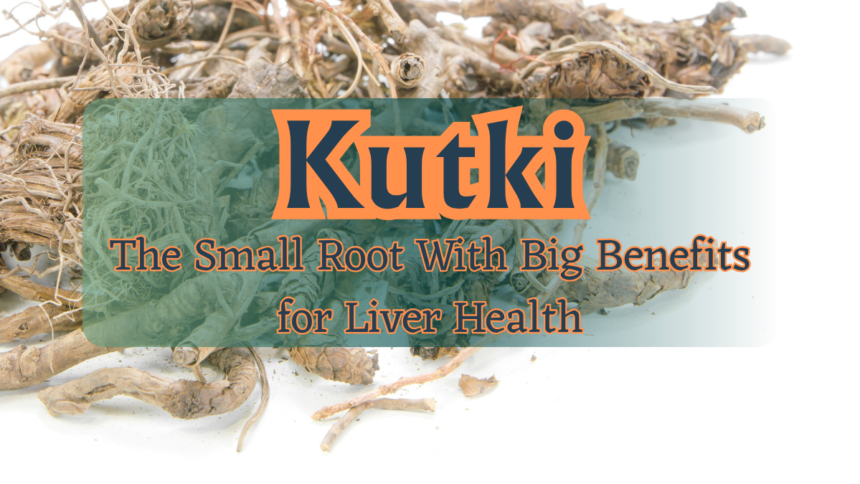
Kutki
A comprehensive, evidence-informed guide to Kutki the endangered Himalayan root whose picroliv compound rivals pharmaceutical hepatoprotectives, what the clinical research actually shows for liver disease management, and how to use it responsibly given its threatened conservation status
High in the alpine meadows of the Western Himalayas, between 3,000 and 5,000 metres above sea level, grows a small, unassuming plant whose therapeutic significance is almost entirely disproportionate to its physical presence. Kutki Picrorhiza kurroa barely reaches ankle height, its small rosette of toothed leaves pressed close to the rocky, high-altitude soil, its tiny tubular flowers producing nothing that would attract attention from a casual observer crossing those meadows. The medicinal portion the rhizome and roots, typically no thicker than a pencil and harvested from plants that have taken years to reach maturity gives no visual indication of containing one of the most pharmacologically potent hepatoprotective compounds identified in the entire plant kingdom.
Picroliv. A standardised mixture of iridoid glycosides primarily picroside I and kutkoside (picroside II) that has been compared in multiple clinical and experimental studies to silymarin, the primary active compound in milk thistle (Silybum marianum), which is itself the most widely used hepatoprotective herb in global clinical practice. And in several of those comparisons, picroliv from Kutki has performed as well as, or in some dimensions better than, its pharmaceutical reference compound.
The story of Kutki is the story of a small root with pharmacological credentials that substantially exceed its size, growing in an environment so specific and so fragile that the very research attention validating its therapeutic significance has contributed to the over-harvesting that now threatens its survival in the wild. Understanding Kutki therefore requires not just pharmacological education but ecological awareness the recognition that this herb’s future use depends on conservation and cultivation practices that the clinical evidence, however impressive, cannot create by itself.
This is the comprehensive, honest account of what Kutki is, what it does, and what responsible engagement with it requires.
What Is Kutki? Botanical Identity, Classical Status, and Conservation Context
Kutki Picrorhiza kurroa (also sometimes Picrorhiza scrophulariiflora in some regional taxonomic references), family Plantaginaceae is a perennial alpine herb native to the Himalayan regions of India (particularly Himachal Pradesh, Uttarakhand, and the northeastern states), Nepal, Pakistan’s northern territories, and parts of Tibet and China, growing exclusively in the high-altitude, rocky subalpine and alpine zones where its specific combination of environmental requirements cold temperatures, rocky well-drained soils, high light exposure, and specific altitude range are met simultaneously.
The name Picrorhiza derives from the Greek pikros (bitter) and rhiza (root) a naming convention applied by European botanists that simply validates what Ayurvedic practitioners had named in Sanskrit: Kutki (or Katuki) derives from the Sanskrit root for “bitter,” reflecting the same intensely bitter quality that Kalmegh (the previous article’s subject) possesses through an entirely different chemical compound class, and that Ayurvedic tradition consistently associates with liver-supportive and digestive-fire-stimulating therapeutic properties.
In Ayurvedic classical texts, Kutki occupies a position of particular prominence for hepatic and immune applications Charaka Samhita specifically includes it in formulations for Yakrit (liver) disorders, Kamala (jaundice), and Jwara (fever) with hepatic involvement, while Sushruta Samhita emphasises its role in Pitta-predominant conditions and conditions involving inflammatory excess. The classical description of Kutki’s properties Tikta (bitter) Rasa, Laghu (light) and Ruksha (dry) Guna, Sheeta Virya (cooling potency), and Katu Vipaka (pungent post-digestive effect) maps directly onto its primary application for Pitta-excess liver conditions, where the cooling, bitter, drying, and metabolically stimulating combination of these properties specifically addresses the heat, inflammation, and metabolic stagnation characteristic of inflammatory liver disease.
Conservation context: Kutki is listed in Appendix II of CITES (Convention on International Trade in Endangered Species) and classified as a threatened species in India under Schedule VI of the Environment Protection Act, with its high-altitude habitat increasingly fragile due to climate change and its natural populations severely depleted by decades of commercial over-harvesting. This conservation status is not peripheral information it is clinically and ethically essential context for anyone prescribing, selling, or using Kutki, and it directly shapes the responsible sourcing considerations that the practical use section of this article addresses.
The Phytochemistry of Kutki: Picroliv and the Iridoid Foundation
The pharmacological activity of Kutki is anchored by one of the most specifically characterised phytochemical fractions in hepatoprotective botany picroliv, a standardised mixture of iridoid glycosides whose careful characterisation has allowed clinical research that is more precisely targeted and more directly comparable across studies than is possible for the less-defined extracts of many medicinal herbs.
Picroside I the primary and most pharmacologically potent component of picroliv is a phenolic iridoid glycoside whose specific molecular interactions with hepatic antioxidant and anti-inflammatory pathways have been characterised in unusual detail in research. Picroside I has demonstrated direct enhancement of hepatic glutathione levels (the liver’s primary antioxidant defence compound), activation of Nrf2 pathway-mediated antioxidant response gene expression, inhibition of CYP2E1 (the cytochrome P450 enzyme responsible for generating the most toxic reactive metabolites from alcohol and various pharmaceutical drugs), and direct inhibition of the lipid peroxidation cascade that converts oxidative stress into structural hepatocyte membrane damage.
Kutkoside (Picroside II) the second primary component of picroliv provides complementary hepatoprotective activity through partially distinct mechanisms including direct bile acid secretion stimulation (promoting the elimination of hepatotoxic bile acid accumulations characteristic of cholestatic liver disease), enhancement of hepatic protein synthesis (supporting hepatocyte regeneration after liver injury), and documented anti-fibrotic activity inhibiting hepatic stellate cell activation the cellular mechanism that converts chronic inflammation into liver fibrosis and ultimately cirrhosis.
Additional iridoid glycosides in the Kutki rhizome including picroside III, picroside IV, and various minor iridoids contribute additional anti-inflammatory, antioxidant, and antimicrobial activity that rounds out the herb’s comprehensive hepatoprotective profile beyond the primary picroliv fraction.
Cucurbitacins a class of tetracyclic triterpenoids contribute immunomodulatory and anti-inflammatory activity, with their potent NF-κB inhibitory effects providing a mechanism complementary to the iridoid glycosides’ antioxidant and bile-regulating hepatoprotective activity.
Kutki for Liver Disease: The Core Clinical Evidence
The liver disease applications of Kutki represent the domain where the herb’s evidence is most extensively developed and most clinically relevant, with comparative research against pharmaceutical hepatoprotective standards providing the most compelling context for interpreting its therapeutic significance.
NAFLD and Fatty Liver Management
Non-alcoholic fatty liver disease the most common liver condition globally and particularly prevalent in India, as discussed extensively in the liver health articles earlier in this series represents one of Kutki’s most clinically relevant modern applications, with its mechanisms directly addressing the pathological processes that drive fatty liver progression.
Research examining Kutki extract in experimental NAFLD models has documented significant reductions in hepatic triglyceride accumulation (the defining feature of hepatic steatosis), significant reductions in liver enzyme elevations (ALT and AST the clinical markers of hepatocyte damage), and reduction of the inflammatory infiltration that distinguishes progressive NASH from simple steatosis. The proposed mechanisms involve Kutki’s combined effects on hepatic lipid metabolism (reducing de novo lipogenesis through its effects on lipid-regulating enzymes), oxidative stress reduction (protecting against the lipid peroxidation that drives NASH progression), and anti-inflammatory NF-κB inhibition (reducing the cytokine-driven inflammation that accelerates fibrosis).
A clinical study examining Kutki (as Picrorhiza root extract) in patients with NAFLD over 12 weeks found significant improvements in liver enzyme levels, ultrasound findings, and metabolic parameters including fasting blood glucose and lipid profiles, providing direct human clinical evidence for the mechanisms characterised in experimental research.
Hepatitis and Viral Liver Disease
Kutki’s anti-inflammatory and hepatoprotective properties extend to viral hepatitis management, where the liver inflammation and oxidative damage driven by the immune response to hepatic viral infection represents a target for Kutki’s multiple hepatoprotective mechanisms.
A randomised clinical trial examining Kutki (as standardised Picrorhiza extract) alongside conventional treatment in viral hepatitis patients found significantly faster normalisation of elevated liver enzymes, faster resolution of jaundice, and shorter hospitalisation duration compared to conventional treatment alone directly relevant clinical evidence for adjunctive hepatic support during acute viral hepatitis, where reducing the severity and duration of liver inflammation is the primary clinical management goal.
The anti-viral dimension of Kutki’s pharmacology with kutkoside demonstrated to inhibit certain viral replication processes in vitro provides additional mechanistic rationale for its traditional application in infective liver conditions beyond its purely anti-inflammatory and antioxidant hepatoprotective activity.
Picroliv versus Silymarin: The Critical Comparison
The clinical comparison between Kutki’s picroliv fraction and silymarin from milk thistle (the most widely used hepatoprotective in global clinical practice) represents the most illuminating context for understanding Kutki’s position within the hepatoprotective herb landscape.
Multiple studies examining comparative hepatoprotective activity in experimental liver injury models have found that picroliv either matches or exceeds silymarin’s hepatoprotective efficacy with particularly notable comparative advantages in regenerative activity (ability to support hepatic cell regeneration following injury) and bile secretion stimulation (relevant to cholestatic liver conditions where silymarin has somewhat weaker documented activity).
A comprehensive comparative review published in the Journal of Ethnopharmacology examining multiple dimensions of picroliv and silymarin’s hepatoprotective mechanisms concluded that picroliv demonstrated equivalent antioxidant hepatoprotection and superior activity in the bile-regulation and hepatic regeneration domains, while silymarin demonstrated somewhat stronger anti-fibrotic activity in the specific mechanisms examined establishing a complementary rather than competitive relationship where the combination of both herbs addresses more aspects of hepatoprotective need than either provides alone.
Kutki for Immune Function and Autoimmune Conditions
Beyond its hepatic applications, Kutki has demonstrated significant immunomodulatory activity that has attracted research interest in the context of autoimmune liver diseases and broader immune regulatory conditions.
Research examining Kutki’s effects on immune cell populations has found it to enhance macrophage activity and natural killer cell function (consistent with Agni-stimulating properties in the Ayurvedic framework), while simultaneously demonstrating anti-allergic activity through mast cell stabilisation and IgE-mediated response inhibition a combined immunostimulatory and anti-allergic profile that reflects the adaptogenic immunomodulation characteristic of the best-evidenced Ayurvedic immune herbs.
In the context of autoimmune hepatitis an increasingly recognised and clinically challenging condition where the immune system attacks hepatic tissue Kutki’s combination of anti-inflammatory immunomodulatory activity and direct hepatoprotection provides a mechanistically coherent rationale for its traditional inclusion in conditions that classical Ayurveda would have characterised as Pitta-excess hepatic inflammation with autoimmune features, though direct large-scale clinical trial evidence specifically for autoimmune hepatitis management with Kutki remains an important research gap.
Kutki for Fever and Anti-Infective Applications
Classical Ayurvedic texts prominently include Kutki in formulations for Jwara (fever), and the pharmacological basis for this traditional application has been reasonably well characterised in modern research.
Kutki’s antipyretic mechanism operates through prostaglandin synthesis inhibition specifically, inhibition of COX enzymes that produce prostaglandin E2, the primary mediator of hypothalamic temperature elevation during fever. This mechanism is the same as that underlying pharmaceutical antipyretics including paracetamol and ibuprofen, providing a direct mechanistic explanation for the traditional fever management application while distinguishing Kutki’s mechanism from immunostimulatory herbs that reduce fever by enhancing immune elimination of the infectious cause.
Antimicrobial activity of Kutki extracts has been documented against multiple bacterial pathogens relevant to the infective fever presentations traditionally treated with this herb, providing additional rationale for its traditional use in infectious conditions beyond the purely antipyretic mechanism.
Kutki and Respiratory Health
A less commonly discussed but classically prominent application of Kutki is its use in respiratory conditions, particularly asthma and allergic respiratory disease applications whose pharmacological basis has been increasingly clarified by research on Kutki’s immunomodulatory and anti-allergic mechanisms.
Research documenting significant mast cell stabilisation and IgE-mediated allergic response inhibition by Kutki compounds provides direct mechanistic support for its anti-allergic respiratory applications, while its bronchodilatory activity (documented in smooth muscle preparations) provides an additional mechanism relevant to the bronchoconstriction of asthma.
A specific clinical study examining Kutki alongside conventional asthma treatment found improvements in peak flow rate and symptom scores that exceeded those achieved with conventional treatment alone, providing preliminary clinical evidence for the adjunctive respiratory benefit that the immunological mechanism predicts.
Kutki in Classical Formulations
Kutki’s most important classical compound preparations include Arogyavardhini Vati a classical Ayurvedic formulation for liver health that combines Kutki with various complementary herbs including Kutki, Triphala, Chitraka, and mineral preparations, representing one of the most comprehensive and most commonly prescribed classical hepatoprotective formulations in Ayurvedic clinical practice; and Tiktadi Kashaya, a bitter decoction formulation specifically for Pitta-excess conditions including inflammatory liver disease.
Conservation-Conscious Sourcing: The Non-Negotiable Consideration
Given Kutki’s threatened conservation status detailed earlier in this article, responsible sourcing is not optional it is an ethical prerequisite for any engagement with this herb. Cultivated Kutki is available from suppliers who have developed cultivation programmes in Himachal Pradesh and Uttarakhand, producing material of comparable phytochemical quality to wild-harvested Kutki while protecting natural populations from further depletion. When purchasing Kutki or products containing it, specifically seek suppliers who can document cultivation-based sourcing, provide supply chain transparency, and demonstrate commitment to the certification and conservation standards relevant to Schedule VI listed species.
Practical Use: Forms, Dosing, and Integration
Kutki churna (powder): 0.5–1g twice daily, taken with warm water or ghee. Given the intense bitterness, combination with honey or integration into compound formulations is practical for sustained use.
Standardised picroliv extract capsules: 200–400mg of picroliv-standardised extract (typically 5–10% picroliv content), twice daily with meals, representing the most precisely dosed and most directly comparable to clinical trial preparations.
Duration: for liver health applications, minimum 8–12 week courses are appropriate, with periodic liver enzyme monitoring during extended use.
Safety Profile
Kutki’s safety profile at standard doses is generally favourable. Considerations include: pregnancy contraindication; potential additive effects with pharmaceutical hepatotoxic drugs (warranting monitoring rather than combination without clinical oversight); and the intense bitterness that makes palatability a practical barrier to sustained use without appropriate preparation.
The Honest Bottom Line
Kutki combines pharmacological credentials that are genuinely impressive picroliv’s comparative equivalence to silymarin in hepatoprotective research, its distinct bile-regulating and hepatic regeneration advantages, its multiple complementary mechanisms across oxidative stress, inflammation, and fibrosis with an ecological context that demands the same respect that any endangered species deserves.
The small root from the high Himalayas has earned its classical prominence in Ayurvedic hepatology through two thousand years of clinical observation and growing modern pharmacological validation. Using it responsibly through cultivated sources, at appropriate doses, under qualified guidance honours both dimensions of that significance.
Did this comprehensive guide to Kutki give you a new appreciation for this rare Himalayan root’s remarkable hepatoprotective credentials? Share it with someone managing liver health challenges. Leave a comment with your experience, or subscribe to our newsletter for more rigorously researched herb deep-dives that balance pharmacological insight with ecological responsibility.