








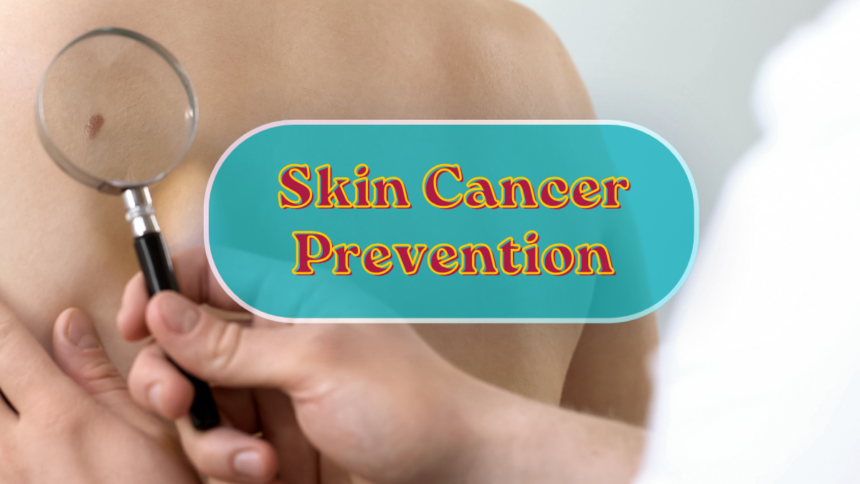
Skin Cancer Prevention
We often think of modern medicine and ancient holistic healing as two entirely different worlds. If you visit a Western dermatologist, you might leave with a prescription for a high-tech synthetic sunscreen and a lecture on UV radiation indices. Visit an Ayurvedic physician, and the conversation will likely pivot toward balancing your Pitta dosha, cooling your blood, and using herbal infusions.
But if you strip away the differing terminology, a fascinating truth emerges: both disciplines share a profound respect for the human body’s largest organ—your skin.Skin Cancer Prevention
When it comes to skin cancer prevention, these two distinct philosophies align beautifully. According to organizations like the Skin Cancer Foundation, skin cancer is the most common cancer globally, yet it is also one of the most preventable. By blending the targeted cellular protection of modern dermatology with the systemic, lifestyle-oriented wisdom of Ayurveda, we can build an incredibly robust defense mechanism.
Let’s dive into the 8 daily habits that dermatologists and Ayurvedic doctors both recommend to safeguard your skin from the inside out.Skin Cancer Prevention
1. Respect the Solar Peak (Avoiding Midday Sun)
The most fundamental rule of skin cancer prevention is a lesson in timing. Dermatologists consistently advise staying out of the sun between 10:00 AM and 4:00 PM, when ultraviolet (UV) rays are at their most destructive intensity and can easily alter DNA.
Ayurveda independently reached the exact same conclusion thousands of years ago through the concept of Dinacharya (daily routines). In Ayurvedic medicine, the day is split into energetic zones. The hours between 10:00 AM and 2:00 PM are ruled by Pitta, the element of fire and transformation. Exposing your body to intense external heat during this peak Pitta period over-inflames the skin, causes cellular stress, and degrades tissue. Both traditions agree: schedule your outdoor activities for the early morning or late afternoon.Skin Cancer Prevention
2. Treat Sunscreen as a Daily, Non-Negotiable Shield
You cannot talk about skin cancer prevention without talking about sun protection factor (SPF). A dermatologist will tell you to apply a broad-spectrum sunscreen of at least SPF 30 every single morning, regardless of whether it is cloudy or bright outside.
Ayurvedic practitioners agree on the necessity of a physical shield, though they traditionally favor natural, mineral-based barriers. Ingredients like zinc oxide—the active component in modern mineral sunscreens—have been used in traditional Indian medicine for centuries (often referred to as Yashad Bhasma). To get the best of both worlds, look for clean, dermatologist-approved zinc-based mineral sunscreens that physically reflect UV rays while keeping the skin calm and cool.Skin Cancer Prevention
3. Flood Your Plate with “Internal Sunscreen” (Antioxidants)
Modern oncology emphasizes that UV rays damage the skin by generating free radicals—unstable molecules that cause oxidative stress and mutate skin cells. To counter this, dermatologists recommend a diet rich in antioxidants like vitamin C, vitamin E, and polyphenols.
Ayurveda approaches this by prescribing a Pitta-pacifying diet to prevent systemic overheating. Both fields point directly to the exact same foods:
- Dark Leafy Greens: Rich in lutein and chlorophyll to support cellular repair.
- Berries and Pomegranates: Packed with ellagic acid and anthocyanins.
- Cooling Herbs: Cilantro, mint, and turmeric, which reduce internal inflammation.Skin Cancer Prevention
Eating an antioxidant-rich diet provides a foundational layer of internal defense that complements your topical sun blockers.Skin Cancer Prevention
4. Hydrate Strategically to Maintain the Skin Barrier
When your skin is chronically dehydrated, its lipid barrier becomes compromised. A weakened barrier is significantly more vulnerable to environmental toxins and UV-induced cellular degradation.
While dermatologists will tell you to drink plenty of water and apply hyaluronic acid or ceramides, an Ayurvedic doctor will remind you how to hydrate. Ayurveda advises against chugging ice-cold water, which dampens your digestive fire (Agni). Instead, sip room-temperature or lukewarm water throughout the day. This ensures deep cellular assimilation, keeping the skin plump, resilient, and better prepared to repair minor UV damage.
5. Master the Art of Fabric Defense (Physical Cover-ups)
Sometimes the simplest solution is the most effective. Dermatologists frequently emphasize that clothing is our first line of defense in skin cancer prevention. Darker colors and tightly woven fabrics naturally block more UV radiation than thin, light-colored clothes.
Ayurvedic lifestyle wisdom mirrors this by encouraging the use of loose, breathable, natural fibers like cotton, linen, and silk. Wearing loose long sleeves and a wide-brimmed hat allows your body to stay cool and ventilate properly while preventing direct, aggressive solar radiation from contacting vulnerable areas like your neck, shoulders, and chest.
6. Embrace Systemic Anti-Inflammatory Herbs
Chronic, systemic inflammation acts like fertilizer for mutated cells. Dermatologists often look to topical antioxidants like green tea extract or niacinamide to calm inflamed skin cells.
Ayurveda addresses this systemically through powerful adaptogenic herbs. One standout herb that bridges both worlds is turmeric (Curcuma longa). Modern clinical studies have highlighted that its active compound, curcumin, possesses incredible anti-carcinogenic and anti-inflammatory properties that help inhibit tumor growth. Regularly consuming a touch of turmeric with black pepper (which increases absorption) or drinking organic green tea helps clean up internal inflammation before it can escalate.
7. Practice Self-Massage to Scan and Stimulate the Skin
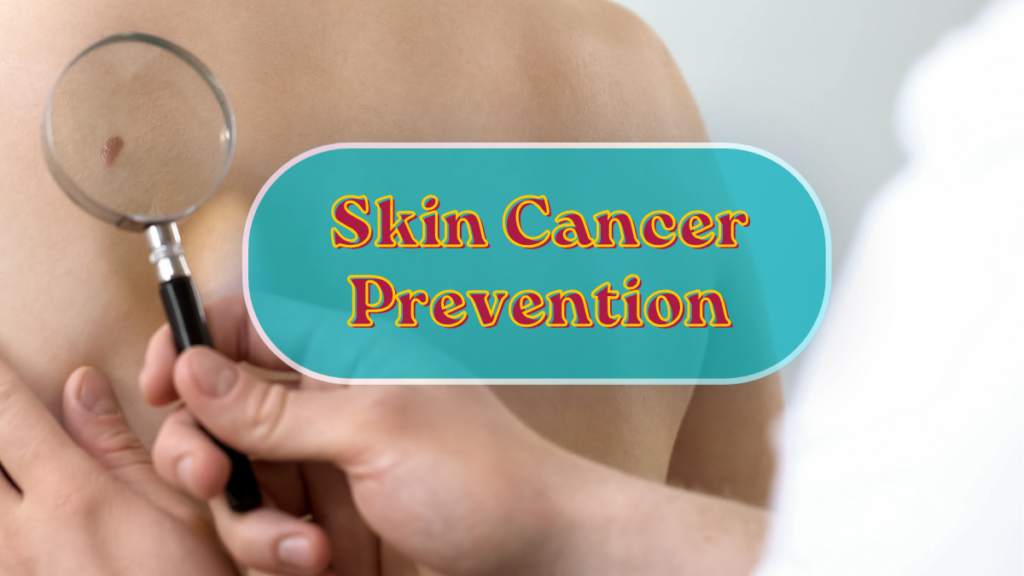
Dermatologists urge everyone to perform a monthly skin self-exam to track changes in moles, practicing the famous ABCDEs of Melanoma (Asymmetry, Border, Color, Diameter, Evolving).
Ayurveda unintentionally created the perfect vehicle for this check-up through Abhyanga, the daily practice of self-massage with warm, herbal oils (like organic coconut oil for its natural cooling properties). When you perform a mindful, daily self-massage, you become deeply attuned to your body’s topography. You will notice a new, shifting, or irregular spot immediately, allowing you to catch potential issues long before they become dangerous.
8. Prioritize Restorative Sleep for Cellular Repair
Your skin cells don’t do much heavy lifting or DNA repair while you are awake and running errands; true cellular regeneration happens while you sleep. Dermatologists note that sleep deprivation elevates cortisol, which breaks down skin integrity and slows down the body’s natural mutation-repair mechanisms.
According to Ayurvedic texts, sleep (Nidra) is one of the three pillars of life. Sleeping deeply before 10:00 PM aligns your body with the natural circadian rhythms, allowing the liver and blood to cleanse toxins and repair skin tissues efficiently overnight.
Summary: A Balanced Approach to Skin Wellness
| Modern Dermatology Focus | The Ayurvedic Counterpart | The Unified Daily Habit |
| Avoid UV Peaks | Balance Midday Pitta | Stay indoors/shade between 10 AM & 4 PM |
| Mineral Sunscreens | Yashad Bhasma (Zinc oxide) | Apply daily zinc-based SPF 30+ |
| Free Radical Defense | Pitta-Pacifying Diet | Eat colorful, antioxidant-rich foods |
| Monthly Skin Checks | Daily Abhyanga (Self-Massage) | Audit your skin and moles regularly |
Conclusion: Honor Your Skin Every Day
Effective skin cancer prevention doesn’t mean you have to choose between cutting-edge clinical science and time-tested ancient traditions. When you look closely, both paths are trying to teach us the exact same lesson: respect the power of the sun, nourish your body with clean fuel, and stay intimately connected to the changes happening on your own skin.
By integrating these 8 simple, cross-disciplinary habits into your morning and evening routines, you aren’t just lowering your skin cancer risk—you are building a radiant, resilient canvas that will glow healthily for decades to come.
Join the Conversation!
Which of these daily habits are already part of your routine? Have you ever noticed how your skin reacts when you change your diet or sleep patterns? Let us know in the comments below!