



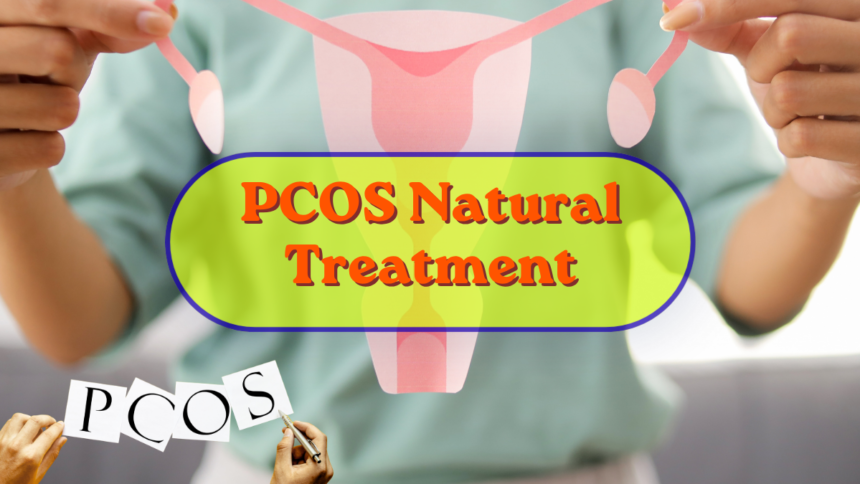
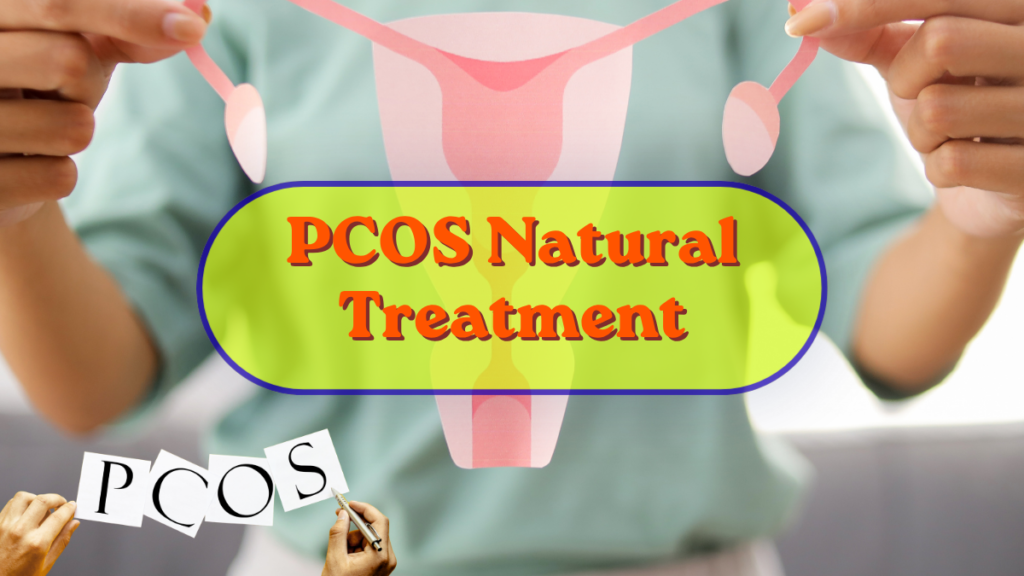
PCOS Natural Treatment
A comprehensive, compassionate guide to PCOS natural treatment what polycystic ovary syndrome really is, why conventional management often falls short, and the ten Ayurvedic and integrative strategies that genuinely restore hormonal balance from the root
She was twenty-three when she was diagnosed. The endocrinologist spent approximately eight minutes with her long enough to review her ultrasound showing the classic “string of pearls” appearance of multiple small follicles on both ovaries, note her elevated androgens and irregular cycles, and write two prescriptions: the oral contraceptive pill to regulate her periods and metformin for insulin resistance. He handed her a pamphlet about PCOS and moved on to his next patient.
What the pamphlet did not tell her was that PCOS Polycystic Ovary Syndrome is the most common hormonal disorder in women of reproductive age, affecting approximately 1 in 10 women globally and up to 20% of Indian women in some prevalence studies. It did not tell her that the oral contraceptive pill, while effective at suppressing her symptoms, would mask the underlying hormonal dysfunction without addressing it and that when she eventually came off the pill to conceive, all her symptoms would likely return, possibly worse. It did not tell her that her condition was deeply responsive to lifestyle, diet, and specific therapeutic herbs that PCOS natural treatment existed, was evidence-supported, and had helped thousands of women achieve hormonal balance, regular cycles, and successful pregnancies without or alongside pharmaceutical management.
It took her four more years and a different kind of practitioner to discover what this article will tell you now.
Understanding PCOS: The Hormonal Storm Behind the Diagnosis
Effective PCOS natural treatment begins with understanding what is actually wrong not merely what is measurable on an ultrasound or blood test.
PCOS is fundamentally a disorder of hormonal dysregulation with multiple interconnected pathological mechanisms. The classical triad involves: hyperandrogenism (elevated male hormones testosterone, DHEA-S, androstenedione that drive acne, hair loss, and hirsutism), ovulatory dysfunction (irregular or absent ovulation, causing irregular periods and subfertility), and polycystic ovarian morphology on ultrasound (multiple arrested follicles that did not complete development due to the disordered hormonal environment).
But the deeper driver, present in approximately 70–80% of women with PCOS, is insulin resistance. Insulin resistance means the body’s cells are less responsive to insulin, requiring the pancreas to produce more insulin to achieve the same glucose disposal. Elevated insulin directly stimulates the ovarian theca cells to produce excess androgens creating the hyperandrogenism that suppresses normal follicular development and ovulation. Excess insulin also reduces sex hormone-binding globulin (SHBG) from the liver, which would normally bind and inactivate androgens so more free testosterone circulates, amplifying androgenic symptoms.
The chronic low-grade inflammation that characterises PCOS is both a cause and consequence of this insulin-androgen cycle inflammatory cytokines further impair insulin signalling, creating a self-perpetuating hormonal disruption that pharmaceutical symptom management alone cannot break.
In Ayurvedic understanding, PCOS maps most clearly onto a condition of Kapha-Vata imbalance with Ama accumulation affecting the Artava Vaha Srotas the channels governing menstruation and female reproductive function. Impaired Agni drives Ama formation, Kapha accumulation creates the characteristic cyst formation and metabolic sluggishness, and disrupted Apana Vata (the downward-moving energy governing reproductive and eliminative function) causes irregular or absent menstruation. PCOS natural treatment in Ayurveda therefore targets these root imbalances simultaneously a multi-pronged approach that aligns closely with modern integrative medicine’s understanding of PCOS as a multi-system metabolic disorder.
Strategy 1: Address Insulin Resistance The Foundation of PCOS Natural Treatment
No PCOS natural treatment protocol can succeed without addressing insulin resistance, because elevated insulin is the primary hormonal driver of most PCOS symptoms. The most powerful tools for improving insulin sensitivity naturally are dietary specifically, the reduction of glycaemic load through replacement of refined carbohydrates with whole, fibre-rich, low-glycaemic alternatives.
The low-glycaemic index dietary approach has the strongest dietary evidence base for PCOS. A landmark randomised controlled trial by Marsh et al. published in the American Journal of Clinical Nutrition found that women with PCOS following a low-GI diet experienced significantly greater improvements in insulin sensitivity, menstrual cyclicity, and hormonal profiles compared to those following a conventional healthy diet even without weight loss. The practical implementation involves replacing white rice, maida, and refined sugar with whole grains like oats, barley, bajra, and ragi; emphasising legumes, vegetables, and protein at every meal; eliminating sugary drinks and ultra-processed foods entirely; and distributing food intake to avoid large glycaemic loads at any single meal.
The insulin-sensitising benefit is amplified by consistent physical activity both aerobic exercise and resistance training improve insulin receptor sensitivity in skeletal muscle independently of dietary change. Even a 30-minute brisk walk five days per week produces measurable improvements in PCOS hormonal parameters in clinical studies. For women pursuing PCOS natural treatment, combining low-GI dietary change with regular movement is the single most impactful foundational intervention available.
Strategy 2: Shatavari The Premier Ayurvedic Herb for PCOS Natural Treatment
Shatavari (Asparagus racemosus) holds the most prominent position in Ayurvedic PCOS natural treatment for good pharmacological reason. Its steroidal saponins the shatvarins exert oestrogenic activity that helps correct the oestrogen-androgen imbalance central to PCOS. Its phytoestrogens support follicular development and endometrial preparation, its adaptogenic properties reduce the HPA axis dysregulation that worsens PCOS hormonal parameters, and its direct effects on LH secretion support the ovulatory surge that is typically absent or dysregulated in PCOS.
A clinical study published in the Ancient Science of Life found that Shatavari administration significantly improved LH/FSH ratios, promoted follicular maturation, and restored menstrual regularity in women with PCOS over twelve weeks. Its combined hormonal-balancing and stress-adaptive properties make Shatavari the most clinically coherent single herb for PCOS natural treatment addressing both the reproductive hormone dysregulation and the stress-cortisol component that worsens it.
Practical use: 500mg of standardised Shatavari root extract twice daily, or one teaspoon of Shatavari churna in warm milk before bed. Best taken consistently for three to six months as part of a comprehensive PCOS natural treatment protocol.
Strategy 3: Spearmint Tea The Evidence-Based Anti-Androgen for PCOS Natural Treatment
Spearmint tea is one of the most delightfully accessible interventions in PCOS natural treatment a simple herbal tea with two well-conducted human clinical trials demonstrating meaningful anti-androgenic effects.
A 2010 randomised controlled trial published in Phytotherapy Research found that women with PCOS who drank two cups of spearmint tea daily for thirty days experienced significant reductions in free testosterone and total testosterone, with corresponding reductions in hirsutism severity. A follow-up pilot study published in the Journal of Herbal Pharmacotherapy confirmed reductions in androgens and self-reported improvements in hirsutism. The mechanism involves spearmint’s inhibitory effects on 5-alpha reductase the enzyme that converts testosterone to its more potent form dihydrotestosterone and direct anti-androgenic activity at the receptor level.
For women pursuing PCOS natural treatment whose most distressing symptoms are hirsutism, acne, and hair thinning, two cups of spearmint tea daily is a completely accessible, low-cost, evidence-consistent addition to any protocol. Note that spearmint not peppermint is the specific herb with anti-androgenic evidence.
Strategy 4: Cinnamon The Menstrual Regulator in PCOS Natural Treatment
Ceylon cinnamon’s role in PCOS natural treatment extends beyond its blood sugar benefits described in earlier articles. A 2014 randomised controlled trial published in the American Journal of Obstetrics and Gynecology specifically examined cinnamon’s effects on menstrual cyclicity in women with PCOS and found that cinnamon supplementation (1.5g daily) significantly increased menstrual frequency from an average of less than two cycles per year to approximately three to four per year compared to placebo. The mechanism operates through improvements in insulin sensitivity, which reduces the hyperinsulinaemia driving androgen excess and thereby allows more normal follicular development and ovulation.
Incorporating half to one teaspoon of Ceylon cinnamon into morning oatmeal, smoothies, or chai as part of a comprehensive PCOS natural treatment approach combines accessible dietary integration with meaningful hormonal benefit.
Strategy 5: Ashwagandha Addressing the Stress-PCOS Cycle
The relationship between chronic stress and PCOS severity is mechanistically documented and clinically important for anyone pursuing PCOS natural treatment. Elevated cortisol from HPA axis activation stimulates adrenal androgen production particularly DHEA-S which contributes to the androgen excess that drives PCOS symptoms. Cortisol also worsens insulin resistance, impairs thyroid function, and disrupts the GnRH pulsatility that governs the LH-FSH balance essential for normal ovulation.
Ashwagandha’s cortisol-reducing and adaptogenic effects therefore address PCOS through a distinct but complementary mechanism to the reproductive-specific herbs. A systematic review of multiple clinical trials confirms ashwagandha’s ability to reduce serum cortisol by 20–30% with consistent supplementation a clinically significant reduction that has downstream benefits for adrenal androgen production, insulin sensitivity, and reproductive hormone balance in the context of stress-exacerbated PCOS.
For women whose PCOS symptoms worsen dramatically under psychological stress a pattern recognised by most women with the condition Ashwagandha (300–600mg of standardised extract daily) is a mechanistically targeted PCOS natural treatment component, not merely a general wellness adjunct.
Strategy 6: Lodhra The Hormonal Normaliser in PCOS Natural Treatment
Lodhra (Symplocos racemosa) is less internationally recognised than shatavari or ashwagandha, but its specific evidence for PCOS natural treatment is among the most directly targeted of any Ayurvedic herb.
A landmark clinical study published in the Journal of Ethnopharmacology examined Lodhra bark extract in women with PCOS and found significant normalisation of FSH and LH levels, reduction in testosterone and DHEA-S, improvement in LH/FSH ratio, and restoration of menstrual regularity over twelve weeks of treatment. These hormonal effects directly address the core endocrine dysregulation of PCOS the elevated LH/FSH ratio that prevents normal follicular selection, the elevated androgens that suppress ovulation, and the menstrual irregularity that reflects underlying anovulation.
Lodhra is typically prescribed as a churna (powder) half a teaspoon twice daily with warm water or as a standardised extract. It is most appropriately incorporated into PCOS natural treatment under Ayurvedic practitioner guidance, as its specific hormonal effects require individualised dosing based on the dominant doshic pattern of the PCOS presentation.
Strategy 7: Inositol The Evidence Star of PCOS Natural Treatment
Myo-inositol and D-chiro-inositol compounds found naturally in certain foods and traditionally derived from plants including carob and buckwheat represent one of the most evidence-rich nutritional interventions in PCOS natural treatment, with a body of randomised controlled trial evidence that rivals pharmaceutical approaches for PCOS management.
Inositol functions as a second messenger in insulin signalling pathways specifically as a component of phosphatidylinositol glycan molecules that mediate insulin receptor downstream signalling. Deficient inositol metabolism or transport has been identified as a specific molecular abnormality in PCOS, and supplementation with myo-inositol improves insulin sensitivity through a direct mechanistic pathway, not merely through indirect metabolic effects.
A 2016 meta-analysis in the European Review for Medical and Pharmacological Sciences examining multiple randomised controlled trials found that myo-inositol supplementation significantly improved insulin resistance, reduced testosterone, reduced LH/FSH ratio, improved menstrual regularity, and improved oocyte quality and ovulation rates in women with PCOS with an effect size on insulin sensitivity comparable to metformin and a substantially more favourable side effect profile.
The currently optimal supplemental ratio is 40:1 myo-inositol to D-chiro-inositol reflecting the natural ratio found in the ovary at a total dose of 4g myo-inositol plus 100mg D-chiro-inositol daily. Food sources of inositol include citrus fruits, whole grains, legumes, and nuts, though supplemental doses are required for therapeutic effect. Inositol is considered a PCOS natural treatment foundational supplement in most integrative gynaecology protocols.
Strategy 8: The Anti-Inflammatory Diet for PCOS Natural Treatment
Chronic low-grade inflammation is both a driver and consequence of PCOS inflammatory cytokines impair insulin signalling, stimulate androgen production, and suppress progesterone synthesis. The anti-inflammatory dietary strategy for PCOS natural treatment therefore simultaneously addresses insulin resistance, androgen excess, and the inflammatory disruption of ovulatory function.
The most practically useful anti-inflammatory framework for PCOS natural treatment involves maximising omega-3 fatty acid intake through oily fish, walnuts, flaxseeds, and chia seeds EPA and DHA directly reduce the inflammatory cytokines most implicated in PCOS pathology. Eliminating dietary trans fats and minimising refined omega-6-rich vegetable oils (found abundantly in processed foods) removes the most pro-inflammatory dietary components. Maximising diverse plant food intake the 30 plants per week framework supports the gut microbiome diversity that reduces the systemic inflammation originating from gut dysbiosis, which is increasingly understood as a significant contributor to PCOS severity.
Specific anti-inflammatory foods with particular relevance to PCOS natural treatment include turmeric (curcumin’s NF-κB inhibitory activity directly reduces the inflammatory pathways driving androgen excess and insulin resistance), green tea (EGCG has demonstrated anti-androgenic and insulin-sensitising effects), and flaxseeds (whose lignans bind and facilitate testosterone excretion and whose alpha-linolenic acid reduces ovarian inflammation).
Strategy 9: Sleep Optimisation The Underappreciated PCOS Natural Treatment Strategy
Sleep is one of the most consistently underemphasised interventions in PCOS natural treatment, despite a mechanistically direct relationship between sleep quality, insulin resistance, cortisol, and reproductive hormone balance.
A 2018 study in the Journal of Clinical Sleep Medicine found that women with PCOS have significantly higher rates of obstructive sleep apnoea than age and BMI-matched controls and that sleep apnoea independently worsens insulin resistance, cortisol levels, and LH secretion patterns in PCOS. Even without sleep apnoea, the circadian disruption common in women with PCOS delayed sleep phase, poor sleep efficiency, fragmented sleep directly impairs the nocturnal LH pulse pattern that is essential for normal follicular development and ovulation.
Practical sleep optimisation for PCOS natural treatment involves consistent sleep and wake timing (supporting the circadian LH release pattern), screen-free wind-down for sixty minutes before bed, keeping the bedroom cool and dark, avoiding caffeine after midday, and evening Abhyanga (self-massage with warm sesame oil) which reduces cortisol, promotes relaxation, and is simultaneously a classical Ayurvedic Vata-pacifying practice. For women with suspected sleep apnoea suggested by excessive daytime sleepiness, loud snoring, or morning headaches medical evaluation and treatment is a high-priority PCOS natural treatment intervention.
Strategy 10: Yoga and Mind-Body Practice Closing the PCOS Natural Treatment Loop
The final strategy in PCOS natural treatment addresses the nervous system and the stress-reproductive hormone axis that, when unmanaged, continuously undermines every other intervention in the protocol.
Yoga as PCOS natural treatment has been examined in multiple clinical trials with consistently encouraging results. A 2012 randomised controlled trial published in the Journal of Alternative and Complementary Medicine found that twelve weeks of yoga practice in adolescent girls with PCOS produced significantly greater improvements in LH/FSH ratio, testosterone, insulin resistance, and menstrual regularity compared to conventional physical exercise. A 2022 review in Frontiers in Endocrinology examining multiple yoga trials in PCOS concluded that yoga practice significantly improved hormonal profiles, insulin resistance, anxiety, depression, and quality of life in women with PCOS.
The specific mechanisms through which yoga supports PCOS natural treatment include parasympathetic nervous system activation (directly reducing HPA-axis hyperactivation and cortisol), reduction in sympathetic nervous system tone (which drives adrenal androgen production), reduction in inflammatory markers, and improvements in insulin sensitivity that occur independently of aerobic fitness. Yoga poses specifically emphasised in Ayurvedic approaches to PCOS natural treatment include twisting poses (Bharadvajasana, Ardha Matsyendrasana) that stimulate abdominal organ circulation; inversions (Sarvangasana, Viparita Karani) that improve pelvic blood flow; and forward folds that activate the parasympathetic nervous system.
Beyond yoga, daily pranayama particularly Nadi Shodhana (alternate nostril breathing) and Bhramari and even ten minutes of daily mindfulness meditation reduce cortisol, improve emotional regulation, and support the consistent parasympathetic activation that is essential for normal reproductive hormone pulsatility. PCOS natural treatment that does not include a daily mind-body practice is an incomplete protocol.
Integrating PCOS Natural Treatment With Conventional Care
It is important to be clear that PCOS natural treatment and conventional medical management are not mutually exclusive and that for many women, the combination produces significantly better outcomes than either approach alone. Metformin and PCOS natural treatment work through complementary mechanisms metformin’s direct AMPK activation alongside inositol’s second-messenger insulin signalling support, for example, addresses insulin resistance through two distinct but synergistic pathways.
Women on the oral contraceptive pill who wish to transition to PCOS natural treatment should do so gradually, with medical supervision, and with the expectation that a comprehensive natural protocol requires three to six months of consistent implementation before full hormonal normalisation can be assessed. The pill masks PCOS symptoms but does not treat the underlying condition meaning that the months of PCOS natural treatment investment must occur against the backdrop of reappearing symptoms as the pill is discontinued, which can be discouraging without prior expectation-setting.
For women with PCOS who are trying to conceive, PCOS natural treatment addressing insulin resistance, inositol supplementation, Shatavari and Lodhra for hormonal normalisation, and stress management can meaningfully improve ovulatory frequency and oocyte quality often within three to four cycles of consistent implementation. Fertility assistance Clomiphene, letrozole, or IVF may still be necessary in some cases, but the physiological environment created by PCOS natural treatment makes these interventions more effective when they are needed.
The Honest Bottom Line
PCOS is not a life sentence of irregular periods, metabolic dysfunction, fertility challenges, and unwanted hair. It is a highly responsive condition whose root drivers insulin resistance, chronic inflammation, HPA axis dysregulation, gut dysbiosis, and nutritional deficiencies are all addressable through the PCOS natural treatment strategies outlined in this guide.
The ten strategies low-GI dietary change, Shatavari, spearmint tea, Ceylon cinnamon, Ashwagandha, Lodhra, inositol, anti-inflammatory nutrition, sleep optimisation, and yoga and pranayama are not isolated interventions. They form a mutually reinforcing protocol that addresses PCOS from multiple simultaneous angles, working with the body’s own hormonal intelligence rather than suppressing it.
PCOS natural treatment is not about rejecting medical care. It is about giving the body the specific inputs it needs to rebalance a hormonal system that modern life with its ultra-processed food environment, chronic stress, sedentary patterns, and disrupted sleep has consistently pushed toward dysfunction. Every woman with PCOS deserves to know that this level of support exists. Starting one strategy this week is enough to begin.
Did this comprehensive guide give you a path forward with your PCOS? Share it with every woman you know who is living with this diagnosis you may be changing the trajectory of her health and fertility. Leave a comment with your own PCOS natural treatment journey below, or subscribe to our newsletter for more evidence-based, compassionate health content at the intersection of Ayurveda and integrative women’s health.