








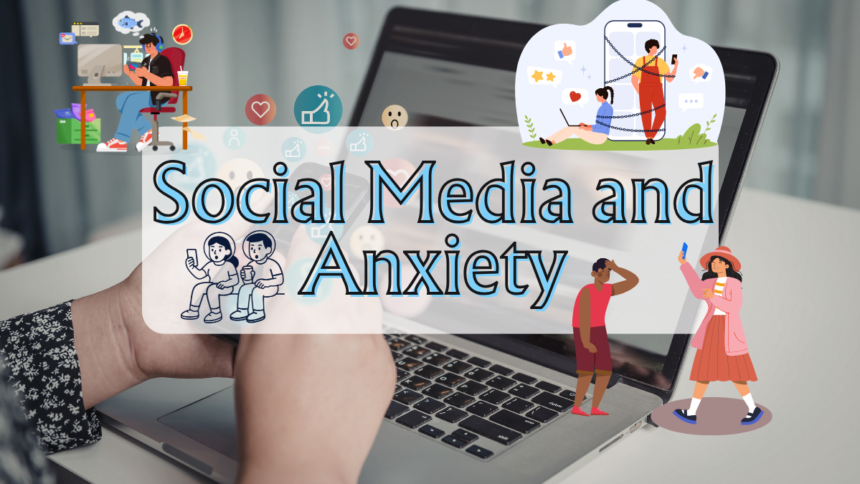
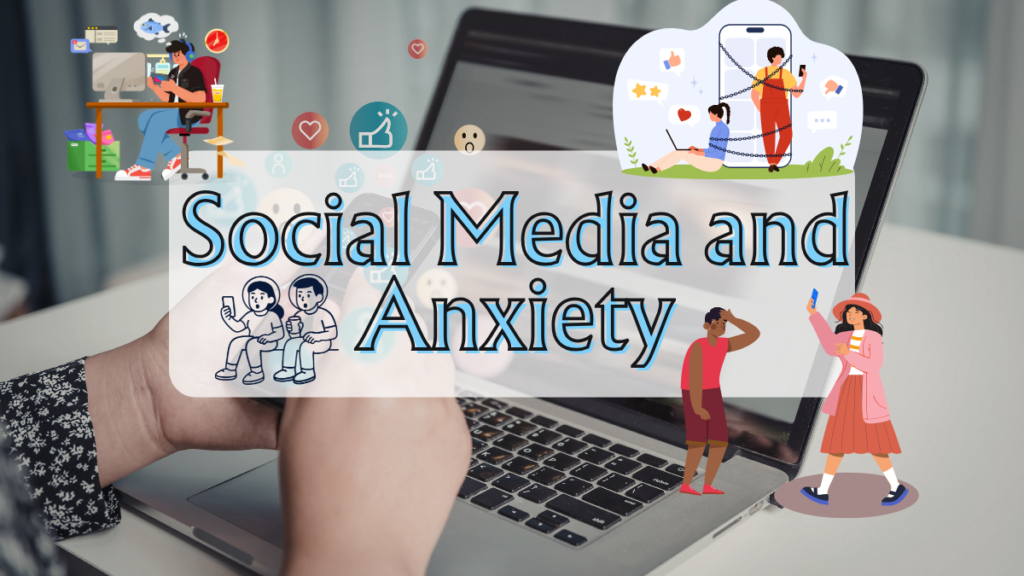
Social Media and Anxiety
We’ve all been there. It’s 11:30 PM. You told yourself you were going to bed an hour ago, but here you are, illuminated by the cold blue light of your smartphone. You’re scrolling through a feed of perfectly curated vacation photos, high-performance cars you haven’t bought yet, and “day in the life” videos of people who seem to have it all figured out.
Suddenly, a familiar weight settles in your chest. A bit of restlessness, a dash of inadequacy, and a whole lot of “Why am I not doing more?” This is the modern intersection of Social Media and Anxiety. It’s a space where connection often feels like competition, and “staying informed” feels a lot like being overwhelmed.
In this guide, we’re going to look at why these platforms trigger our “fight or flight” response and provide a comprehensive set of Tips to “Social Media and Anxiety” management to help you use technology as a tool, not a tether.
1. The Dopamine Trap: Why We Can’t Look Away
To understand the connection between our feeds and our fears, we have to look at the brain’s reward system. Social media platforms are designed using “intermittent reinforcement”—the same psychological principle that makes slot machines so addictive.
Every “like,” comment, or red notification bubble triggers a tiny hit of dopamine. However, when the notifications slow down, or when we see someone else receiving more engagement, our brain perceives a drop in social status. In our evolutionary past, a drop in social status was a threat to survival. Today, that ancient survival mechanism manifests as modern anxiety. We aren’t just “scrolling”; we are subconsciously scanning for social validation and fearing its absence.
2. The Comparison Game: Highlight Reels vs. Behind-the-Scenes
One of the most significant drivers of Social Media and Anxiety is the “Comparison Trap.” We tend to compare our “behind-the-scenes” (the messy kitchen, the morning fatigue, the work stress) with everyone else’s “highlight reel.”
Even though we know filters exist and that people only post their best moments, our emotional brain struggles to make that distinction. Research from the University of Pennsylvania has shown a clear causal link between high social media usage and increased feelings of loneliness and depression. When we constantly measure our internal reality against someone else’s external projection, anxiety is the inevitable byproduct.
3. FOMO and the 24/7 News Cycle
In 2026, the “Fear of Missing Out” (FOMO) has evolved. It’s no longer just about missing a party; it’s about missing a market trend, a viral meme, or a global news event. The 24/7 news cycle, delivered directly to our pockets, keeps our nervous system in a state of “high alert.”
[Image showing the correlation between screen time and anxiety levels]
This constant stream of information creates “cognitive overload.” When the brain is bombarded with more data than it can process, it defaults to a state of anxiety as a way to signal that it is overwhelmed.
4. In-Depth Analysis: Essential Tips to “Social Media and Anxiety” Relief
If you feel your digital habits are starting to weigh on your mental health, it’s time for a “Digital Reset.” Here are the most effective Tips to “Social Media and Anxiety” management to help you find your balance:
Curate Your Feed Like a Gallery
You are the curator of your digital space. If an account consistently makes you feel “less than,” anxious, or annoyed—unfollow or mute them. One of the best Tips to “Social Media and Anxiety” reduction is to follow accounts that inspire, educate, or provide genuine humor rather than those that spark envy.
Implement the “Digital Sunset”
Our brains need time to “power down” before sleep. The blue light from screens suppresses melatonin, but the content of social media keeps the mind racing. Set a hard boundary: no social media at least one hour before bed and one hour after waking up. This allows your nervous system to start and end the day in a state of calm rather than comparison.
Use the “Grey Scale” Trick
Social media apps use bright, vibrant colors to grab your attention. By turning your phone screen to “Greyscale” mode (available in most accessibility settings), you make the apps significantly less stimulating. It’s a simple but powerful way to reduce the “binge-scrolling” urge.
Practice “Active” vs. “Passive” Consumption
Passive scrolling (mindlessly flicking through the feed) is more closely linked to anxiety than active engagement. If you’re going to use social media, use it to actually socialize. Send a thoughtful message, leave a supportive comment, or share something meaningful. This shifts the experience from a “spectator sport” to a genuine connection.
5. Building Authority: The Role of Modern Digital Wellbeing
In the landscape of 2026, we have better tools than ever to manage our digital lives. Many AI-driven “Digital Wellbeing” assistants can now analyze your usage patterns and intervene when they detect “doom-scrolling” behavior.
However, technology is only part of the solution. Reputable institutions like McLean Hospital suggest that the most effective way to handle Social Media and Anxiety is to cultivate “Offline Presence.” Engaging in tactile hobbies—whether that’s cooking, hiking, or working on a physical project—reminds the brain that the digital world is only a small slice of reality.
Conclusion: Taking Back the Wheel
Social media isn’t inherently “bad,” but it is powerful. Like any powerful tool, it requires a set of safety protocols. By understanding the dopamine loops, recognizing the comparison trap, and applying these Tips to “Social Media and Anxiety”, you can transform your relationship with your devices.
The goal isn’t to delete every app and move to a cabin in the woods (unless that’s your thing). The goal is to be the driver of your digital experience, not just a passenger in the algorithm’s car.
How do you feel after a 30-minute scroll session? Energized or drained? Identifying that feeling is the first step toward change. Leave a comment below and share your favorite way to “unplug”—your tip might be exactly what someone else needs to hear today. If you found this guide helpful, share this article on your favorite (or least favorite!) social platform and subscribe to our newsletter for more insights on thriving in the digital age.