






Women’s heart attack
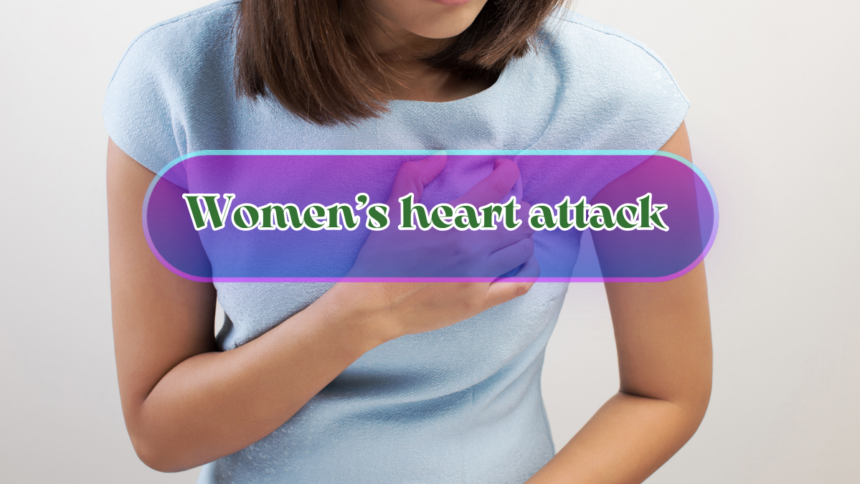
For decades, pop culture and movies have conditioned us to believe we know exactly what a heart attack looks like: a man clutching his chest, collapsing to the floor in a dramatic scene. But for many women, the reality is far more subtle—and, consequently, far more dangerous. A women’s heart attack often doesn’t announce itself with a Hollywood-style explosion of pain. Instead, it might arrive as a whisper: a strange fatigue, a bit of indigestion, or a nagging discomfort in the back.
Understanding these differences isn’t just an academic exercise; it’s a vital life skill. Heart disease remains the leading cause of death for women globally, yet it is frequently under-diagnosed because symptoms often don’t fit the “classic” male-centric mold. Let’s pull back the curtain on this silent threat and explore the proactive tips for heart attack awareness and prevention.
Why Is the Experience Different?
The primary reason women experience heart attacks differently is biological. While men often have blockages in the large, main arteries of the heart, women are more likely to experience microvascular disease. This means the smaller, branching arteries that supply blood to the heart muscle become diseased or restricted.
Because these smaller vessels are harder to see on standard angiograms, women are sometimes told their heart is “fine” when, in fact, they are experiencing significant distress.
The “Silent” Symptoms: What to Watch For
Unlike the crushing chest pressure that men often report, a women’s heart attack can manifest through symptoms that are easy to brush off as “just stress” or “getting older”.
Key symptoms to be aware of include:
- Unusual Fatigue: Many women report feeling a profound, sudden exhaustion that makes simple tasks like making a bed or walking to the car feel impossible.
- Back, Neck, or Jaw Pain: Pain that radiates into the jaw or between the shoulder blades is a classic, yet often overlooked, sign.
- Nausea and Indigestion: Feeling like you have a bad case of heartburn or the flu, accompanied by a cold sweat, is a frequent symptom.
- Shortness of Breath: Feeling like you’ve just run a marathon while you’re simply sitting at your desk is a major red flag.
Essential Tips to Women’s Heart Attack Awareness and Prevention
Taking control of your heart health requires a blend of lifestyle vigilance and knowing when to push back against a medical system that might underestimate your symptoms. Here are the most effective tips for management and prevention.
1. Know Your Personal Baseline
“Normal” for you is the most important metric. Do you have a history of high blood pressure? Are you managing diabetes? Your risk profile is unique. Being aware of your own “numbers”—blood pressure, cholesterol, and blood sugar—is the best preventative measure women’s heart attack.
2. The “Don’t Be Polite” Rule
One of the most dangerous tendencies in women’s healthcare is the inclination to be “polite” when something feels wrong. If you feel like your symptoms are being dismissed as anxiety or stress, speak up. Say, “I feel that something is wrong with my heart, and I would like a cardiac workup”. Never be afraid to be a persistent patient when your life is on the line women’s heart attack.
3. Move with Intent
Heart health isn’t about running marathons; it’s about consistent movement that supports your cardiovascular system. Aim for 30 minutes of moderate activity most days of the week—this could be a brisk walk, swimming, or even gardening.
4. Manage the “Hidden” Stressors (women’s heart attack)
Chronic stress takes a physical toll on the heart by keeping cortisol and adrenaline levels perpetually high. Practices like mindfulness, meditation, or even just setting rigid boundaries at work are legitimate health interventions for your heart.
Nutrition: Feeding Your Heart
A heart-healthy diet is one of the most powerful tips for prevention. Focusing on a “Mediterranean-style” diet—rich in whole grains, legumes, healthy fats like olive oil, and plenty of leafy greens—can significantly improve your vascular health.
Avoid the “diet” trap. Instead, focus on adding anti-inflammatory foods. Berries, fatty fish like salmon, and nuts are your heart’s best friends. These foods help keep your arteries flexible and your blood pressure within a healthy range.
What to Do If You Suspect an Attack
If you suspect you are having a heart attack, the golden rule is simple: Do not drive yourself to the hospital. Call emergency services immediately. Paramedics can begin life-saving interventions the moment they arrive at your door, long before you would make it into the hospital lobby.
Conclusion: Take Your Heart Seriously
A women’s heart attack doesn’t always come with a dramatic, movie-style signal. It often speaks in whispers—a little bit of fatigue here, a strange ache there. By trusting your instincts and understanding the subtle signs, you reclaim the power to protect your life.
You are the expert on your own body. If something feels off, don’t wait for a “classic” symptom to appear. Listen to the whisper before it becomes a roar.
Take the Next Step
- Subscribe to our newsletter for monthly heart-health recipes and updates on women’s cardiovascular research.
- Leave a comment: Has anyone in your family had their heart health concerns initially overlooked by a doctor? How did you handle it?
- Share this article: You might save a life by helping a friend recognize the non-traditional signs of a heart attack.