






Alzheimer Disease
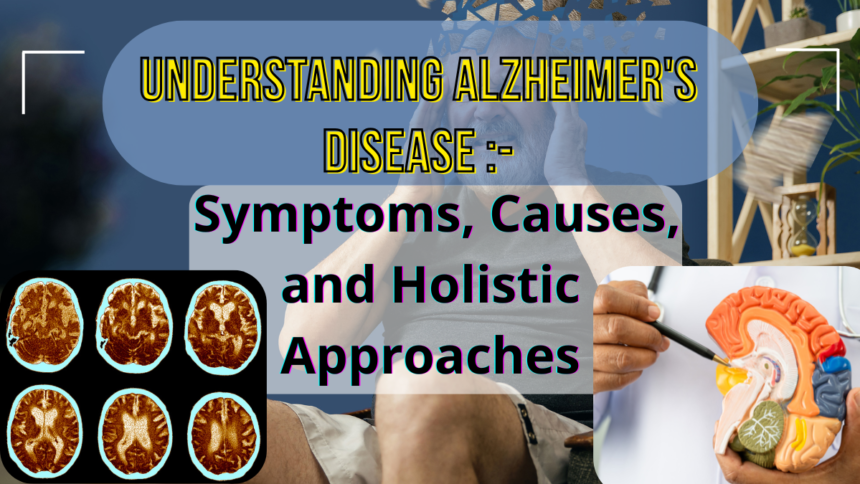
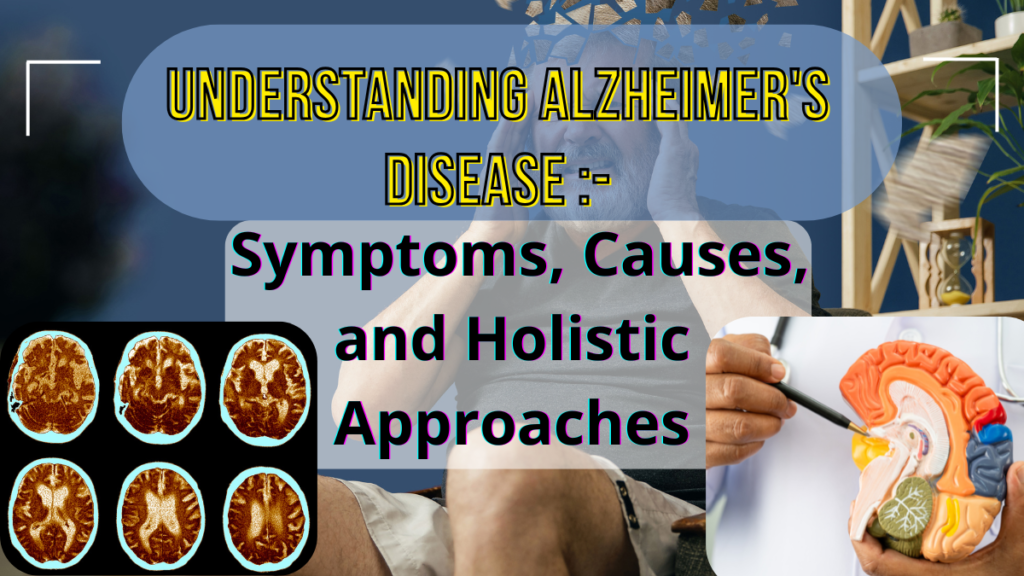
Alzheimer’s disease is a progressive neurological disorder that affects memory, thinking, and behavior. As the most common cause of dementia among older adults, understanding Alzheimer’s disease is crucial for patients, caregivers, and anyone concerned about brain health. This comprehensive guide explores the symptoms, causes, and holistic approaches to managing this condition, offering valuable insights for those seeking to maintain cognitive wellness.
What is Alzheimer Disease?
Alzheimer’s disease is a neurodegenerative disorder characterized by the gradual loss of brain cells and cognitive function. It typically begins with mild memory loss and progresses to severe impairment in thinking, reasoning, and daily functioning. The condition affects approximately 6.7 million Americans aged 65 and older, with numbers expected to rise as the population ages.
Key Characteristics of Alzheimer Disease:
– Progressive memory loss that disrupts daily life
– Difficulty with problem-solving and planning
– Challenges completing familiar tasks
– Confusion with time or place
– Trouble understanding visual images and spatial relationships
– New problems with words in speaking or writing
Causes and Risk Factors
While the exact cause of Alzheimer disease remains unknown, researchers have identified several contributing factors. The condition involves the accumulation of abnormal protein deposits in the brain called amyloid plaques and tau tangles, which interfere with normal brain function.
Primary Risk Factors:
– Age: Risk increases significantly after age 65
– Genetics: Family history and specific genes like APOE-e4
– Lifestyle factors: Poor diet, lack of exercise, smoking
– Cardiovascular health: High blood pressure, diabetes, high cholesterol
– Head injuries: History of traumatic brain injury
Symptoms and Progression
Alzheimer disease typically progresses through three main stages, each with distinct symptoms and challenges.
Early Stage Symptoms:
– Forgetting recently learned information
– Asking the same questions repeatedly
– Trouble managing finances or medications
– Getting lost in familiar places
– Mood and personality changes
Middle Stage Symptoms:
– Increased memory loss and confusion
– Difficulty recognizing family and friends
– Problems with language and communication
– Restlessness and agitation
– Changes in sleep patterns
Late Stage Symptoms:
– Severe memory impairment
– Loss of physical abilities
– Difficulty swallowing
– Complete dependence on caregivers
– Increased vulnerability to infections
Ayurvedic and Holistic Perspectives
From an Ayurvedic viewpoint, Alzheimer disease relates to imbalances in Vata dosha, which governs the nervous system and mental functions. Traditional approaches focus on restoring balance through diet, lifestyle modifications, and herbal therapies.
Ayurvedic Principles for Brain Health:
– Emphasizing warm, nourishing foods
– Regular meditation and pranayama (breathing exercises)
– Herbal supplements like Brahmi, Ashwagandha, and Shankhpushpi
– Daily oil massage (Abhyanga) with sesame or coconut oil
– Maintaining regular sleep patterns
Modern Scientific Understanding
Contemporary research continues to advance our understanding of Alzheimer’s disease. Scientists are exploring various approaches to prevention, early detection, and treatment.
Current Research Areas:
– Biomarkers for early detection
– Immunotherapy approaches
– Lifestyle interventions for prevention
– Genetic risk assessment
– Novel drug development
Benefits and Limitations of Current Approaches
Understanding both conventional and alternative approaches helps create a comprehensive management strategy.
Conventional Medical Approaches:
– Medications to manage symptoms
– Cognitive behavioral therapy
– Support groups and caregiver education
– Safety modifications for home environment
Holistic and Complementary Approaches:
– Nutritional interventions
– Mind-body practices
– Cognitive stimulation activities
– Social engagement programs
Myths vs Facts About Alzheimer Disease
Myth: Alzheimer’s disease is a normal part of aging.
Fact: While age increases risk, Alzheimer’s is not an inevitable part of aging.
Myth: Only older people get Alzheimer’s.
Fact: Early-onset Alzheimer’s can affect people in their 40s and 50s.
Myth: Aluminum exposure causes Alzheimer’s.
Fact: Scientific research has not established a direct causal link.
Myth: Memory supplements can prevent Alzheimer’s.
Fact: No supplement has been proven to prevent Alzheimer’s disease.
Who Should Consider Early Evaluation?
Certain individuals may benefit from early evaluation and monitoring:
– Those with strong family history of Alzheimer’s
– Individuals experiencing persistent memory concerns
– People noticing cognitive changes affecting daily life
– Those with multiple risk factors
When to Seek Professional Help
Consult a healthcare professional if you or a loved one experiences:
– Memory loss that disrupts daily activities
– Difficulty completing familiar tasks
– Confusion about time or place
– Trouble following conversations
– Misplacing items and inability to retrace steps
– Decreased judgment in decision-making
– Withdrawal from social activities
Prevention and Risk Reduction Strategies
While no guaranteed prevention exists, research suggests several strategies may reduce risk:
Lifestyle Modifications:
– Regular physical exercise
– Healthy Mediterranean-style diet
– Mental stimulation and learning
– Quality sleep and stress management
– Social engagement and connection
Nutritional Considerations:
– Omega-3 fatty acids from fish
– Antioxidant-rich fruits and vegetables
– Limited processed foods and sugars
– Adequate hydration
– Moderate alcohol consumption
Caregiver Support and Resources
Caring for someone with Alzheimer’s disease requires support and resources:
Essential Support Systems:
– Local Alzheimer’s Association chapters
– Respite care services
– Support groups for caregivers
– Educational resources and training
– Legal and financial planning assistance
Conclusion
Understanding Alzheimer’s disease is the first step toward effective management and support. While the journey can be challenging, combining conventional medical approaches with holistic strategies offers the most comprehensive care. Early detection, lifestyle modifications, and proper support systems can significantly improve quality of life for both patients and caregivers. Remember that seeking professional guidance and building a strong support network are essential components of navigating this condition successfully.
If you have concerns about memory or cognitive changes, consult with a healthcare professional who specializes in neurological conditions. Early intervention and proper management can make a meaningful difference in maintaining brain health and overall wellbeing.
Use ScifiCalculators.com to Solve Physics, Chemistry, Biology, and Mathematics problems with step-by-step explanations. From quantum mechanics to DNA analysis – we’ve got you covered.