









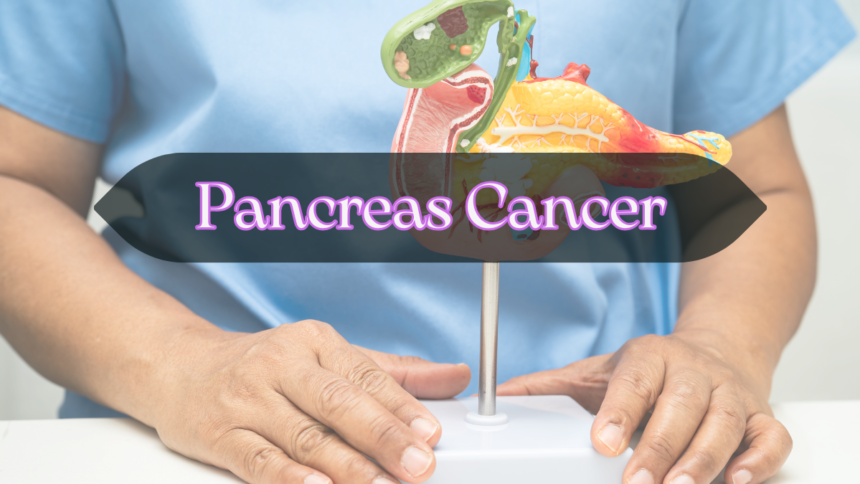
Pancreas Cancer
The pancreas is an organ that most of us never think about until something goes wrong. Tucked away deep in the abdomen, behind the stomach, it’s a quiet workhorse. It spends its days producing the enzymes that help you digest that morning bagel and the insulin that regulates your blood sugar. It is essential, yet humble.
However, when pancreas cancer enters the picture, that quiet workhorse becomes a formidable challenger. Often called a “silent” disease because it rarely causes symptoms in its earliest stages, a diagnosis can feel like a sudden, overwhelming storm. If you or a loved one are navigating this path, know that knowledge is your greatest anchor.
In this post, we’ll dive into the symptoms, risks, and—most importantly—proactive tips to pancreas cancer awareness and management that can make a real difference.
What Exactly is Pancreas Cancer?
To understand the disease, we have to look at the two roles the pancreas plays. Most pancreas cancers (about 95%) are exocrine tumors, with the most common being pancreas ductal adenocarcinoma (PDAC). These start in the ducts that carry digestive juices. The remaining few are neuroendocrine tumors (NETs), which affect the hormone-producing cells.
The challenge with this specific cancer is its location. Because the pancreas is hidden so deep in the body, doctors can’t feel a tumor during a routine physical exam. This is why awareness of the subtle signs is so critical.
Recognizing the Subtle Whispers: Symptoms
Early detection remains the “holy grail” of oncology. While there is currently no standard screening test for the general population, listening to your body’s “whispers” can lead to earlier intervention.
- Jaundice: A yellowing of the eyes and skin. This happens when a tumor blocks the bile duct.
- Unexplained Weight Loss: If you’re losing weight without trying, it’s a sign your body is struggling to process nutrients.
- Mid-Back Pain: A dull ache in the upper abdomen that radiates to the back is common as a tumor grows and presses against the spine.
- New-Onset Diabetes: Suddenly developing diabetes in later life, without a family history or weight gain, can sometimes be an early warning sign of pancreas trouble.
In-Depth Analysis: Risk Factors and Genetics
Why does it happen? While we don’t have all the answers, researchers have identified several key risk factors. Smoking remains the single greatest avoidable risk, accounting for about 20% to 30% of exocrine tumors.
However, genetics play a massive role. About 10% of cases are linked to inherited gene mutations, such as the BRCA1 or BRCA2 genes (famously associated with breast cancer). If you have a strong family history of cancer, talking to a genetic counselor is one of the most effective tips to pancreas cancer prevention.
Vital Tips to “Pancreas Cancer” Management and Awareness
If you are looking for ways to stay proactive or are currently managing a diagnosis, these insights can help you navigate the medical maze.
1. The Importance of a Multi-Disciplinary Team
Don’t settle for a single perspective. Pancreas cancer is complex and requires a “village.” Your team should ideally include a surgical oncologist, a medical oncologist, a gastroenterologist, and a registered dietitian. According to the Pancreas Cancer Action Network (PanCAN), patients treated at high-volume centers—hospitals that perform many pancreas surgeries—often have better outcomes.
2. Prioritize Nutrition Early
Because the pancreas is vital for digestion, many patients struggle with “malabsorption.”
- Tip: Ask your doctor about Pancreas Enzyme Replacement Therapy (PERT). These capsules help you digest fat and protein, preventing weight loss and giving you the strength needed for treatment.
3. Seek Clinical Trials Immediately
In the world of oncology, clinical trials aren’t a “last resort.” They are often where the most cutting-edge treatments—like immunotherapy and targeted molecular therapies—are available. Many survivors today are those who gained access to new drugs through trials early in their journey.
4. Genetic Testing is a Must
If you are diagnosed, get genetic testing. Not only does this help your family members understand their risk, but it can also dictate your treatment. Some drugs, like PARP inhibitors, work specifically well for patients with certain genetic mutations.
Modern Treatment: The Road to Recovery
The “gold standard” for a cure is surgery, most notably the Whipple procedure (pancreaticoduodenectomy). It’s a complex operation that involves “rearranging the plumbing” of the digestive tract.
For cases where surgery isn’t immediately possible, neoadjuvant therapy (chemotherapy or radiation before surgery) is becoming more common. This approach aims to shrink the tumor enough to make it surgically removable.
The Emotional Journey: You are Not a Statistic
When you look up pancreas cancer online, you’ll see survival rates that feel cold and frightening. It is important to remember that statistics are mirrors, not crystal balls. They reflect the past; they do not dictate your future.
Advances in the last five years have been more significant than in the previous twenty. From liquid biopsies that aim to catch the disease in a drop of blood to personalized “vaccines” currently in human trials, the horizon is changing.
Conclusion: Awareness is Power
Pancreas cancer is undeniably a tough opponent, but the narrative is shifting from “impossible” to “manageable.” By understanding the symptoms, advocating for genetic testing, and following proactive tips to pancreas cancer care like seeking high-volume centers and clinical trials, you take back control.
The most important takeaway? Listen to your gut—literally. If something feels off in your digestion or your energy levels, don’t dismiss it. Early intervention is the most powerful tool we have.
Take the Next Step
- Subscribe to our newsletter for the latest updates on oncology research and wellness tips.
- Leave a comment: Are you a survivor or a caregiver? Share one piece of advice that helped you through your toughest day.
- Share this article: You never know who might need to see the symptoms list today. It could save a life.