








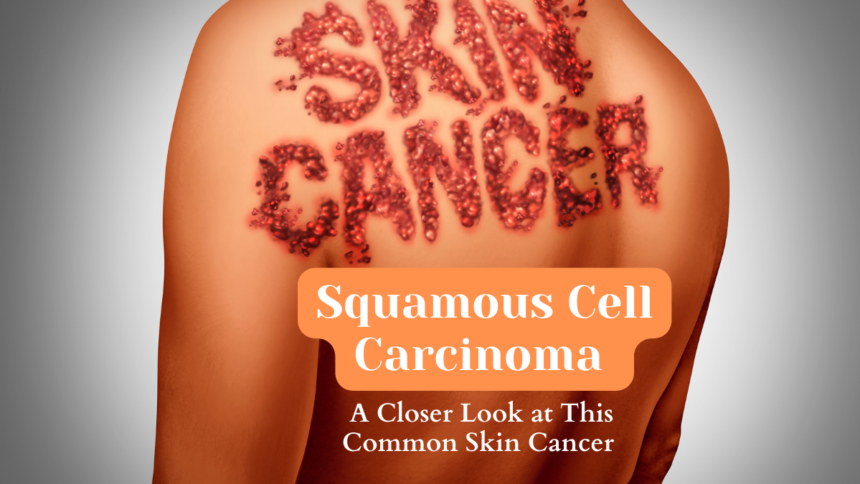
Squamous Cell Carcinoma: A Closer Look at This Common Skin Cancer
Squamous cell carcinoma (SCC) is one of the most common types of skin cancer, originating in the squamous cells that make up the outermost layer of the skin. While often treatable, early detection is crucial for achieving the best possible outcomes.
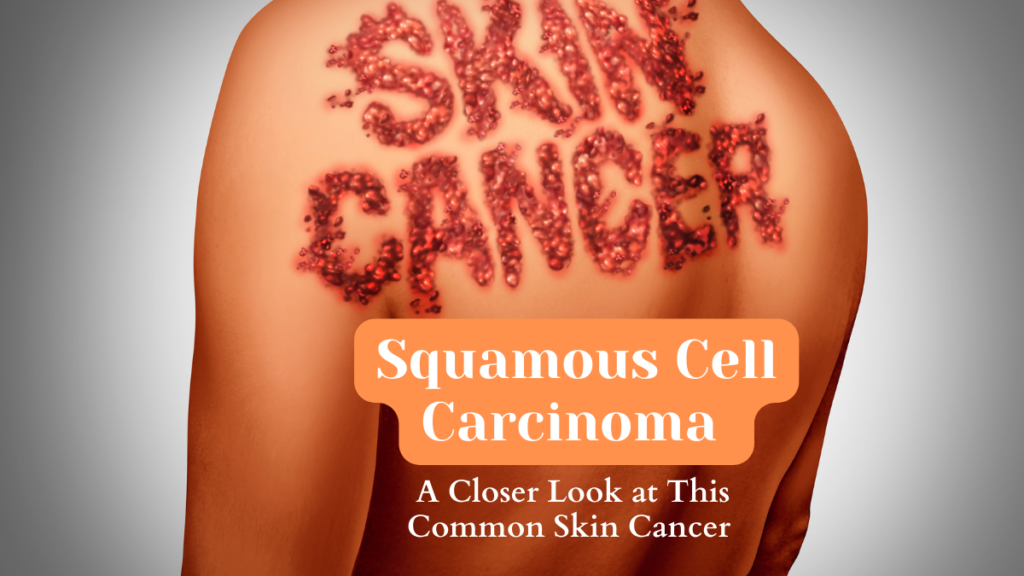
Understanding the Different Types of SCC
SCC can present itself in various forms, each with unique characteristics:
- In situ squamous cell carcinoma: Also known as Bowen’s disease, this type remains confined to the skin’s top layer. It often appears as scaly patches or raised growths that may resemble eczema or psoriasis.
- Invasive squamous cell carcinoma: This form penetrates deeper into the skin layers and can spread to lymph nodes or other parts of the body if not treated promptly.
- Keratoacanthoma: Characterized by rapidly growing, dome-shaped nodules that typically resolve on their own but may require treatment due to their similarity to more aggressive SCCs.
Who’s at Risk for Squamous Cell Carcinoma?
Several risk factors can increase the likelihood of developing SCC:
- Excessive sun exposure: Ultraviolet (UV) radiation from the sun is a primary cause of SCC.
- Fair skin: Individuals with fair skin, light-coloured eyes, and blond or red hair are more vulnerable to UV damage.
- Age: The risk of SCC increases with age, as UV damage accumulates over time.
- Weakened immune system: People with conditions like HIV/AIDS or those taking immunosuppressant medications are at higher risk.
- Exposure to certain chemicals or radiation: Occupational or environmental exposure to carcinogenic substances can contribute to SCC development.
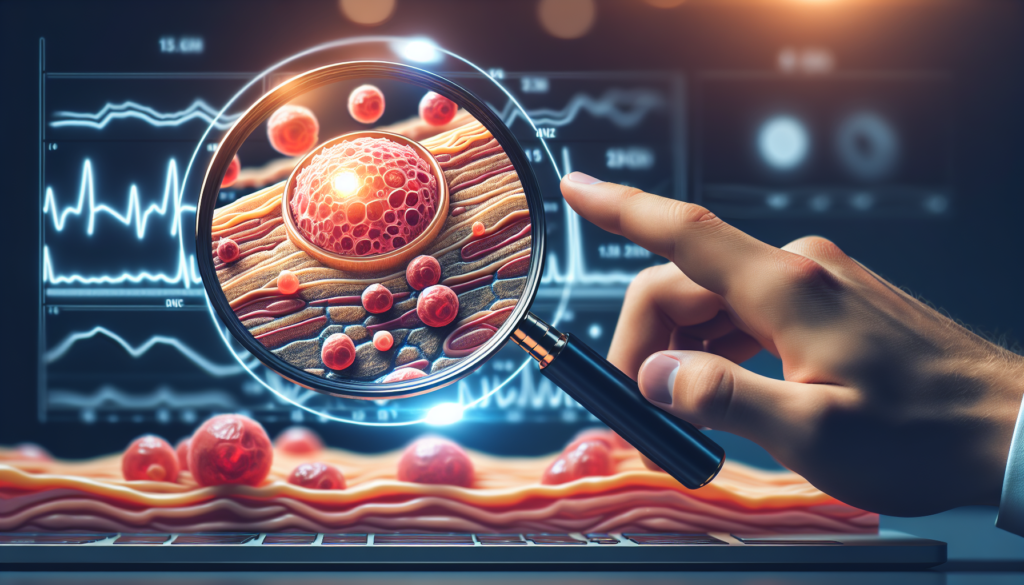
Recognizing the Signs of Squamous Cell Carcinoma
SCC can manifest in various ways, but common signs include:
- A firm, red nodule
- A scaly, flat lesion that may bleed or crust
- A sore that fails to heal
- A wart-like growth
It is important to note that while these symptoms can indicate SCC, a definitive diagnosis requires a dermatologist’s evaluation and biopsy.
Diagnostic Procedures and Treatment Options
Early detection and treatment are key to managing SCC effectively. A dermatologist will typically perform a biopsy to confirm the diagnosis. Treatment options depend on the cancer’s size, location, and the patient’s overall health:
- Surgical excision: The cancerous tissue and some surrounding healthy skin are surgically removed.
- Mohs micrographic surgery: This precise technique removes the cancer layer by layer, examining each layer under a microscope until no abnormal cells remain, preserving as much healthy tissue as possible.
- Cryotherapy: This involves freezing the cancer cells with liquid nitrogen.
- Curettage and electrodessication: The cancer is scraped away, and the area is cauterized to destroy any remaining cancer cells.
- Topical medications: Creams or ointments containing anti-cancer agents are used for early-stage SCC.
- Radiation therapy: Used for more advanced or recurrent cases, especially when surgery is not an option.
- Chemotherapy: Rarely used for SCC, reserved for cases where the cancer has spread beyond the skin.
Sun Safety: Your Best Defence Against SCC
Preventing SCC involves protecting your skin from UV radiation:
- Seek shade: Limit sun exposure, especially during peak UV hours (10 a.m. to 4 p.m.).
- Cover up: Wear protective clothing, including long sleeves, pants, and wide-brimmed hats.
- Apply sunscreen: Use a broad-spectrum sunscreen with an SPF of 30 or higher, and reapply every two hours or after swimming or sweating.
- Regular skin checks: Perform self-exams monthly and schedule regular check-ups with a dermatologist.
By understanding SCC, adopting preventive measures, and seeking early medical attention, you can significantly reduce your risk and improve your chances of a successful outcome.
Disclaimer: This information is intended for general knowledge and informational purposes only and does not constitute medical advice. Always consult with a qualified healthcare professional for any medical concerns or conditions.