






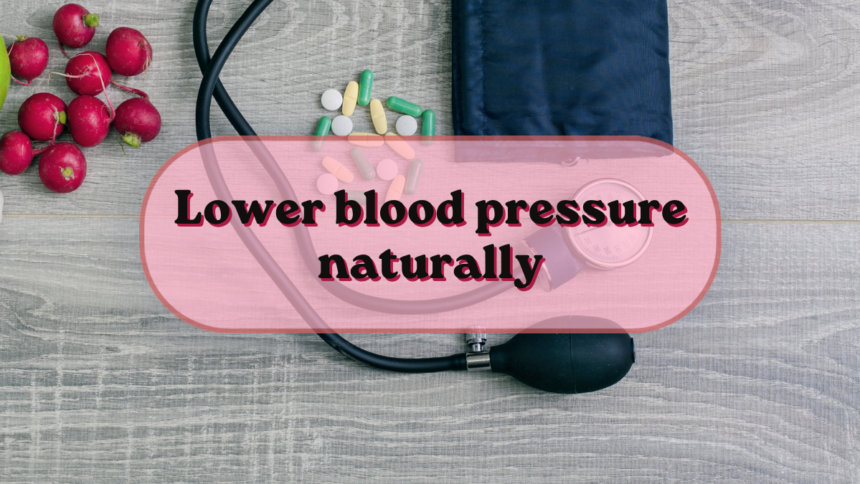
Lower blood pressure naturally
A practical, evidence-based 30-day roadmap to lower blood pressure naturally — combining the most effective dietary strategies, clinically evidenced herbs, and lifestyle changes that move the needle on hypertension without waiting for a prescription
His blood pressure reading at the annual health check was 152/96 mmHg. Stage 2 hypertension. His doctor was direct: “We should discuss medication.” He was 47, had no history of cardiovascular events, was otherwise reasonably healthy, and had been meaning to address his diet and fitness for the past three years. The diagnosis finally made the intention urgent.
He asked his doctor for one thing: thirty days to implement lifestyle changes aggressively, with a follow-up appointment to reassess before making the medication decision. His doctor agreed with a clear caveat. If his numbers had not improved meaningfully, or if they worsened, the medication conversation would happen immediately.
Thirty days later, his blood pressure was 134/84 mmHg. Still elevated. Still something to work on. But a 12-point reduction in systolic pressure and a 12-point reduction in diastolic pressure in thirty days through diet, herbs, exercise, and stress management had shifted the clinical picture enough that his doctor agreed to continue monitoring while the lifestyle programme was extended.
At three months, his reading was 126/80 mmHg. He has not needed medication.
His story is not exceptional. It is what the clinical evidence says is possible when the right combination of interventions is applied with consistency and intelligence. And this article is the blueprint that makes it replicable.
Why 30 Days Is a Meaningful Timeframe to Lower Blood Pressure Naturally
The goal of this article is to help you lower blood pressure naturally in 30 days and understanding why thirty days is both realistic and clinically meaningful matters before you begin.
Blood pressure is not a fixed biological constant. It is a dynamic physiological variable that responds to dietary changes within days, to exercise adaptation within one to two weeks, to sodium reduction within seventy-two hours, and to stress reduction within hours of a single practice session. Unlike atherosclerotic plaques or years of arterial stiffening which take months to years to meaningfully reverse the acute vasomotor, volume, and sympathetic nervous system components of blood pressure elevation are rapidly modifiable.
Multiple clinical trials have documented systolic blood pressure reductions of 8–20 mmHg within four weeks of implementing dietary interventions alone. The DASH diet the gold-standard dietary approach for hypertension produced a mean systolic reduction of 11.4 mmHg in two weeks in its landmark trial. Sodium restriction produces measurable reductions within 72 hours. Aerobic exercise produces acute blood pressure reductions of 5–7 mmHg lasting for hours after a single session, with chronic adaptations producing sustained reductions over two to four weeks. The cumulative effect of combining multiple interventions diet, exercise, sodium reduction, stress management, and targeted herbs is additive in ways that can produce total systolic reductions of 15–25 mmHg within thirty days in responsive individuals.
To lower blood pressure naturally in 30 days at a clinically meaningful level ideally reducing systolic pressure by 10–20 mmHg requires implementing multiple interventions simultaneously and consistently. This blueprint is structured to do exactly that.
Before You Begin: Essential Foundations
To lower blood pressure naturally in 30 days safely and effectively, establish these prerequisites before starting the programme.
Get a baseline reading. Take blood pressure readings twice daily morning before breakfast and evening before dinner for three consecutive days before beginning, and calculate your average. This is your true baseline. Single readings are unreliable; averages across multiple measurements give you the clinical picture. Use a validated home blood pressure monitor (upper arm models are more accurate than wrist models) and follow proper technique: sit quietly for five minutes, no caffeine in the prior hour, arm at heart level, take two readings one minute apart and average them.
Understand your current risk profile. Lower blood pressure naturally in 30 days is an appropriate primary strategy for Stage 1 hypertension (130–139/80–89 mmHg) without other cardiovascular risk factors, and as a concurrent strategy alongside medication for Stage 2 hypertension under medical supervision. If you are experiencing symptoms chest pain, severe headache, visual disturbance, shortness of breath seek immediate medical care. If your reading is above 160/100 mmHg, work with your doctor concurrently rather than instead of the medical pathway.
Commit to the full 30 days. The cumulative effect of multiple simultaneous interventions is greater than the sum of sequential single changes. Half-measures produce half-results. This blueprint works when it is followed completely.
The Diet Blueprint: Week One Focus
The dietary component of the plan to lower blood pressure naturally in 30 days is the most impactful single domain and it is also where Week One effort should be concentrated.
Slash Sodium Aggressively From Day One
Sodium reduction is the fastest-acting dietary intervention to lower blood pressure naturally in 30 days. The mechanisms are direct: excess sodium causes water retention, increases blood volume, and raises the pressure the heart must generate to circulate that increased volume. The kidney also responds to chronic sodium excess with hormonal adjustments that raise vascular resistance independently. Reversing this takes days, not weeks.
The WHO recommends a maximum of 5g of salt (2g of sodium) per day. Most Indians consume 8–12g daily. Reducing intake by even 3–4g per day produces systolic reductions of 5–6 mmHg in hypertensive individuals within the first week making sodium reduction the highest-yield first week strategy to lower blood pressure naturally in 30 days.
Practical sodium reduction for the Indian kitchen: remove the table salt shaker entirely. Stop adding salt to food after cooking. Replace pickle (achaar) and papad two of the most sodium-dense items in the Indian diet with fresh chutneys, lemon, and herbs. Use low-sodium salt substitutes (potassium chloride blends) which simultaneously reduce sodium and increase potassium a doubly beneficial cardiovascular effect. Read labels on packaged foods (namkeen, instant noodles, packaged masalas) and eliminate the highest-sodium items. Order restaurant meals with explicit low-salt requests.
Adopt the DASH Dietary Pattern Immediately
The DASH (Dietary Approaches to Stop Hypertension) diet is the single most clinically validated dietary intervention to lower blood pressure naturally in 30 days, with an evidence base accumulated over three decades and multiple large randomised controlled trials. Its defining features high fruit and vegetable intake, low-fat dairy, lean protein, whole grains, nuts, and legumes provide the potassium, magnesium, calcium, and fibre that collectively reduce blood pressure through multiple independent mechanisms.
Potassium is the most critical individual nutrient for rapid blood pressure reduction. Potassium competes with sodium at the kidney level, promoting sodium excretion, reducing blood volume, and directly relaxing arterial smooth muscle through the Na-K ATPase mechanism. The target is 4,700mg of potassium per day roughly double what most Indians currently consume. Foods that rapidly and significantly increase potassium intake to lower blood pressure naturally in 30 days include coconut water (one glass provides approximately 600mg), bananas, sweet potato, white beans (rajma, chana), spinach, methi leaves, tomatoes, and avocado.
Magnesium deficiency is present in the majority of people with hypertension and directly contributes to increased vascular resistance through impaired endothelial nitric oxide production. Restoring magnesium through dietary sources dark leafy greens, pumpkin seeds, almonds, dark chocolate, whole grains or supplementation (magnesium glycinate 300–400mg daily is the most bioavailable and tolerable form) produces measurable blood pressure reductions within two to three weeks. To lower blood pressure naturally in 30 days, magnesium is a non-negotiable priority.
Nitrate-rich vegetables deserve specific mention because of their rapid and potent vasodilatory effects. Dietary nitrates found in beetroot, spinach, rocket, and celery are converted by oral bacteria to nitrite and then to nitric oxide (NO) in the bloodstream. Nitric oxide directly relaxes vascular smooth muscle, dilating blood vessels and reducing peripheral resistance. A 2015 Cochrane review found that dietary nitrate supplementation (equivalent to a glass of beetroot juice or a large portion of spinach) produced significant systolic reductions of 4–5 mmHg within hours of a single consumption. Making nitrate-rich vegetables a daily component of meals is one of the fastest ways to lower blood pressure naturally in 30 days.
The Exercise Blueprint: Weeks One and Two
Exercise is the second most impactful component of the plan to lower blood pressure naturally in 30 days, and unlike dietary changes, it produces both acute (hours-lasting) and chronic (persistent) blood pressure reductions through distinct mechanisms.
Aerobic Exercise: The Cardiovascular Recalibrator
Aerobic exercise reduces blood pressure through cardiac adaptation (reducing resting heart rate and cardiac output demand), improved arterial compliance and endothelial function (reducing peripheral vascular resistance), weight loss (reducing blood volume and insulin resistance-related vascular dysfunction), and neurohormonal modulation (reducing sympathetic nervous system activity and renin-angiotensin-aldosterone system activation).
The evidence-based prescription to lower blood pressure naturally in 30 days through aerobic exercise: 30–45 minutes of moderate-intensity aerobic activity brisk walking, cycling, swimming, or dancing five to six days per week. “Moderate intensity” means you can speak in short sentences but cannot sing comfortably. Consistency matters more than intensity in the first thirty days daily moderate walking produces superior blood pressure outcomes to three intense sessions per week in the hypertension research.
The post-exercise hypotensive effect the reduction in blood pressure that follows aerobic exercise and lasts for 4–12 hours is an important clinical phenomenon when planning to lower blood pressure naturally in 30 days. Scheduling exercise before your regular blood pressure check amplifies the apparent response. More importantly, scheduling morning exercise may contribute to a lower blood pressure profile throughout the day that the evening measurement does not fully capture. Both morning and evening measurements throughout the programme give you the most accurate picture.
Post-Meal Walking: The Simple Addition That Compounds
Research consistently shows that ten to fifteen minutes of light walking after each meal produces meaningful reductions in post-meal blood pressure elevation the transient spike that follows carbohydrate-heavy meals through insulin-mediated sodium retention and sympathetic activation. In the context of the Indian dietary pattern with three substantial meals daily, post-meal walking three times per day adds up to thirty to forty-five minutes of accumulated physical activity that directly targets meal-related blood pressure spikes. This is one of the highest-leverage, lowest-barrier additions to the plan to lower blood pressure naturally in 30 days.
Resistance Training: The Week Two Addition
Adding resistance training twice weekly from Week Two amplifies the exercise component of the programme to lower blood pressure naturally in 30 days through independent mechanisms: reducing insulin resistance (a primary driver of hypertension), improving body composition (reducing visceral fat associated with elevated blood pressure), and producing sustained reductions in resting blood pressure through neurohormonal adaptation.
Research on resistance training and blood pressure finds average systolic reductions of 3–5 mmHg with consistent training over four to eight weeks. Combined with aerobic exercise, the total exercise-mediated reduction from a complete exercise programme to lower blood pressure naturally in 30 days can reach 8–12 mmHg in consistent individuals.
The Herb Blueprint: Weeks Two and Three
Targeted herbal supplementation in Weeks Two and Three of the programme to lower blood pressure naturally in 30 days adds a pharmacological dimension that extends beyond what diet and exercise alone can achieve in the short term.
Garlic (Lahsun): The Most Evidenced Herb to Lower Blood Pressure Naturally in 30 Days
Garlic is the most extensively studied herb for blood pressure reduction, with over forty randomised controlled trials now published and multiple meta-analyses confirming its efficacy. A 2016 meta-analysis in the Journal of Nutrition found that garlic supplementation (standardised to 2–5mg allicin equivalent) reduced systolic blood pressure by an average of 9.1 mmHg and diastolic by 3.8 mmHg in hypertensive patients numbers that rival first-line antihypertensive medications.
The mechanism is multi-pathway: allicin and its metabolites increase hydrogen sulphide production in vascular smooth muscle, which directly relaxes blood vessels; they enhance nitric oxide bioavailability through endothelial eNOS upregulation; they inhibit ACE (angiotensin-converting enzyme) through the same mechanism as pharmaceutical ACE inhibitors; and they reduce platelet aggregation and improve arterial compliance. To lower blood pressure naturally in 30 days, garlic is the single most potent herbal tool available.
Practical use: two to four raw garlic cloves daily (crushing or chopping and allowing ten minutes before consumption maximises allicin formation); standardised aged garlic extract supplements (600–1,200mg daily) for those who cannot tolerate raw garlic. Both forms have clinical evidence. Raw garlic on an empty stomach or in cooked food provides the most bioactive allicin; aged garlic extract provides S-allylcysteine, which has independent antihypertensive and cardiovascular protective effects.
Hibiscus Tea (Gul Khatmi): The ACE Inhibitor in a Cup
Hibiscus sabdariffa dried hibiscus flowers brewed as tea has emerged as one of the most evidence-consistent herbal interventions to lower blood pressure naturally in 30 days. A 2010 randomised controlled trial published in the Journal of Nutrition found that 240ml of hibiscus tea daily for six weeks significantly reduced systolic blood pressure by 7.2 mmHg compared to placebo in pre- and mildly hypertensive adults. Multiple subsequent studies and meta-analyses have confirmed this effect.
The mechanism involves anthocyanins and other polyphenols that inhibit ACE activity (the same target as pharmaceutical ACE inhibitors like ramipril), produce diuretic effects that reduce blood volume, and directly relax vascular smooth muscle through NO-dependent and independent pathways. Two to three cups of hibiscus tea daily made from dried hibiscus petals (readily available in India as “Roselle” or “Gul Khatmi”) steeped in hot water for five minutes is the evidence-consistent protocol to lower blood pressure naturally in 30 days through this herb.
Arjuna (Terminalia arjuna): The Ayurvedic Cardiac Tonic
Arjuna bark one of the most important cardiovascular herbs in Ayurveda has accumulated clinical evidence specifically for its effects on blood pressure and cardiac function that makes it one of the most targeted Ayurvedic choices to lower blood pressure naturally in 30 days. Its bioactive compounds including arjunolic acid, arjunetin, and various flavonoids exert ACE-inhibitory, diuretic, and direct vasodilatory effects on cardiac and vascular tissue.
A clinical study published in the Journal of Association of Physicians of India found that Arjuna bark extract significantly reduced blood pressure, improved exercise tolerance, and normalised ECG changes in patients with hypertension and ischaemic heart disease. The classical Ayurvedic preparation is Arjuna Ksheerpaka Arjuna bark powder (3–5g) boiled in milk consumed once to twice daily. Standardised Arjuna extract capsules are also available and provide consistent dosing for the programme to lower blood pressure naturally in 30 days.
Ashwagandha: Targeting the Stress Component
Given that chronic psychological stress is a significant independent driver of blood pressure elevation through sympathetic nervous system activation and cortisol-mediated vascular effects, ashwagandha’s cortisol-reducing and adaptogenic properties make it a targeted addition to the programme to lower blood pressure naturally in 30 days, particularly for individuals with stress-related hypertension.
Multiple clinical trials have found that ashwagandha supplementation reduces resting blood pressure as a secondary outcome alongside its primary effects on cortisol and stress measures. Its mechanism for blood pressure reduction operates through HPA axis normalisation reducing the sustained sympathetic activation that keeps blood pressure elevated in chronically stressed individuals. 300–600mg of standardised ashwagandha root extract (KSM-66) taken in the evening is the most evidence-consistent protocol.
Celery Seed and Fresh Celery
Phthalides bioactive compounds in celery and celery seed have demonstrated direct vascular smooth muscle relaxing properties and have shown antihypertensive effects in both animal and limited human research. Fresh celery juice (two to three stalks) or celery seed extract (500mg standardised extract daily) is a practical addition to the programme to lower blood pressure naturally in 30 days for individuals who tolerate celery well.
The Stress Management Blueprint: Weeks Two Through Four
Stress management is the component of the programme to lower blood pressure naturally in 30 days most consistently underweighted and most consistently relevant, particularly in urban India where psychological stress, work pressure, traffic, noise, and financial anxiety contribute to the chronic sympathetic hyperactivation that raises and maintains elevated blood pressure.
Slow Breathing: The Fastest Intervention
Slow diaphragmatic breathing five to six breaths per minute is the single most directly effective real-time tool to lower blood pressure naturally in 30 days through acute parasympathetic activation. Blood pressure falls within minutes of beginning a slow breathing practice through baroreceptor stimulation, vagal activation, and reduced sympathetic tone.
A landmark study by Joseph et al. found that device-guided slow breathing for fifteen minutes daily produced significant systolic reductions of 15.2 mmHg after eight weeks dramatically exceeding most single-drug antihypertensive effects. Fifteen minutes of slow breathing daily using the Resperate device used in that study, or simply a guided paced breathing track should be a non-negotiable daily component of the programme to lower blood pressure naturally in 30 days from Week One.
Yoga and Mind-Body Practices
A 2019 meta-analysis in the Mayo Clinic Proceedings found that yoga practice significantly reduced systolic blood pressure by 5.0 mmHg and diastolic by 3.9 mmHg with greater reductions in studies that included both physical postures and breathwork components. Yoga addresses blood pressure through multiple simultaneous pathways: physical exercise effects, breathwork-mediated vagal activation, stress and cortisol reduction through HPA axis normalisation, and mindfulness-mediated reduction in anxiety-driven sympathetic tone.
The most blood-pressure-relevant yoga practices for the programme to lower blood pressure naturally in 30 days include Shavasana (corpse pose with body scan awareness shown in research to reduce blood pressure within a single session), Anuloma Viloma (alternate nostril breathing with documented acute antihypertensive effects through autonomic balance), and a daily thirty-minute Hatha or restorative yoga practice combining these elements.
The Sleep Blueprint: Weeks One Through Four
Sleep quality is a direct determinant of blood pressure both through the nocturnal dip (the healthy 10–20% reduction in blood pressure during sleep that indicates appropriate cardiovascular recovery) and through the cortisol, sympathetic, and vascular effects of sleep deprivation. Non-dipping hypertension absent nocturnal blood pressure reduction is associated with dramatically elevated cardiovascular risk and is frequently driven by sleep disruption, obstructive sleep apnoea, and chronic sleep restriction.
To lower blood pressure naturally in 30 days through sleep optimisation: establish consistent bed and wake times seven days a week (even weekends), targeting 7–9 hours of sleep. Screen exposure after 9pm raises cortisol and delays sleep onset replacing screens with reading, light stretching, or Yoga Nidra practice. Keeping the bedroom cool (18–20°C is optimal for sleep), dark, and quiet protects deep sleep stages where blood pressure dipping and cardiovascular restoration occur.
For individuals with suspected obstructive sleep apnoea suggested by loud snoring, witnessed apnoeas, daytime sleepiness despite adequate sleep opportunity, or morning headaches medical evaluation is essential. Undiagnosed sleep apnoea is one of the most common and most undertreated causes of drug-resistant hypertension. Its treatment with CPAP produces blood pressure reductions of 5–10 mmHg equivalent to an antihypertensive medication making it one of the highest-yield interventions available to lower blood pressure naturally in 30 days for affected individuals.
The 30-Day Week-by-Week Blueprint
Week One: Foundation Building
Implement sodium reduction immediately target below 5g of salt daily from Day 1. Begin the DASH dietary pattern with emphasis on potassium and magnesium-rich foods. Start aerobic exercise daily thirty minutes of brisk walking minimum. Begin post-meal walking after each meal. Start hibiscus tea twice daily. Begin slow breathing practice fifteen minutes in the morning. Establish consistent sleep timing.
Week Two: Layering the Programme
Add raw garlic (two to four cloves) to daily diet. Introduce Arjuna Ksheerpaka or standardised Arjuna extract. Begin magnesium glycinate supplementation (300–400mg evening). Add resistance training twice per week. Begin daily yoga practice including pranayama. Start evening ashwagandha supplementation. Measure blood pressure daily and track trends.
Week Three: Deepening the Interventions
Increase exercise intensity and duration slightly 45 minutes of aerobic exercise five days weekly. Add beetroot juice or a large portion of nitrate-rich vegetables daily. Introduce celery seed extract or daily fresh celery. Extend slow breathing practice to both morning and evening. Review sodium reduction consistency most people find hidden sodium sources they had not previously identified.
Week Four: Consolidation and Assessment
Maintain all established practices with particular attention to consistency. In Week Four, the cumulative physiological adaptations from three weeks of diet, exercise, herbs, and stress management should be producing their most significant effects. Take blood pressure readings twice daily and calculate weekly averages. Prepare a detailed record for your clinical assessment at Day 30.
What to Realistically Expect: Lower Blood Pressure Naturally in 30 Days
The clinical evidence for what is achievable when you lower blood pressure naturally in 30 days through this comprehensive approach is encouraging but it comes with individual variability that honest reporting requires acknowledging.
Sodium restriction alone: 5–6 mmHg systolic reduction within Week 1. DASH diet: 8–14 mmHg systolic over two to four weeks. Aerobic exercise: 5–8 mmHg systolic over two to four weeks. Garlic supplementation: 8–9 mmHg systolic over four to eight weeks (the full effect may extend beyond 30 days). Hibiscus tea: 6–7 mmHg systolic over four to six weeks. Slow breathing: 10–15 mmHg systolic over four to eight weeks. Stress and sleep management: 3–8 mmHg systolic depending on the degree of stress contribution.
The cumulative maximum from all interventions simultaneously lower blood pressure naturally in 30 days with complete implementation can reach 20–30 mmHg systolic in highly responsive individuals. Most people achieve 10–20 mmHg. Some achieve less, particularly those with long-standing hypertension, significant arterial stiffening, or secondary hypertension from identifiable causes (kidney disease, thyroid dysfunction) where the lifestyle interventions address only the modifiable component.
The Honest Bottom Line
Lower blood pressure naturally in 30 days is not a marketing promise. It is a clinically documented outcome of the combined application of the most evidence-based dietary, exercise, herbal, stress management, and sleep interventions available. The individual components of this blueprint each have their own randomised controlled trial evidence. Their combination the comprehensive simultaneous application of all pillars produces additive effects that exceed any single intervention.
Lower blood pressure naturally in 30 days through this blueprint does not mean abandoning medical care. It means using the thirty days before or alongside medical care to maximally demonstrate what lifestyle medicine can achieve and in many cases, to shift the clinical picture enough that medication is delayed, the dose is reduced, or the conversation changes.
Your blood pressure responds to the inputs you give it every day. The food on your plate, the sodium in your cooking, the walk you take after dinner, the minutes you spend breathing slowly, the sleep you protect, and the garlic you add to your dal all of these move the numbers. All of them, every day, in the right direction.
Thirty days is enough time to prove that to yourself.
Did this blueprint give you a clear starting point to lower blood pressure naturally in 30 days? Share it with someone who has recently received a hypertension diagnosis and is looking for the evidence-based lifestyle response. Leave a comment with your own 30-day results — your experience may be exactly what someone else needs to read. Subscribe to our newsletter for more practical, deeply researched health blueprints.