


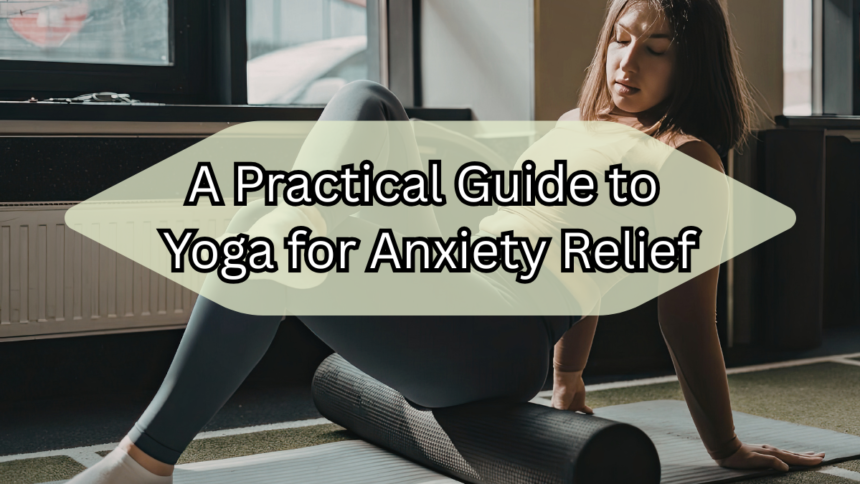
Yoga for Anxiety Relief
We’ve all had those days where the world feels a little too “loud.” Maybe it’s a deadline looming over your shoulder, a stack of bills, or just the general exhaustion of modern life. Your mind starts racing, your shoulders migrate up toward your ears, and suddenly, you’re in the middle of a stress spiral. In these moments, being told to “just relax” is about as helpful as being told to “just be rich.”
If you’ve tried sitting still in meditation and found it frustrating—or if the side effects of medications feel like too much—you might find that moving your body is the missing piece of the puzzle. Yoga isn’t about being flexible enough to touch your toes; it’s about what you learn on the way down. This guide dives into how this ancient practice can be a modern lifesaver, providing actionable Tips to Yoga for Anxiety Relief to help you reclaim your calm.
The Science of the “Sigh”: Why Yoga Works
To understand why yoga is so effective for anxiety, we have to talk about the Vagus Nerve. This is the longest nerve in your body, acting as the “superhighway” between your brain and your internal organs. When you’re anxious, your sympathetic nervous system (the “fight or flight” mode) is in the driver’s seat.
Yoga helps flip the switch to the parasympathetic nervous system—the “rest and digest” mode. Through a combination of rhythmic breathing and physical postures, you are essentially sending a message to your brain that says, “Hey, we’re safe. You can power down the alarm now.”

Getty Images
Essential Tips to “Yoga for Anxiety Relief”
If you’re new to the mat, the goal isn’t to look like a gymnast. It’s to feel like yourself again. Here are a few ways to approach your practice for maximum mental benefit.

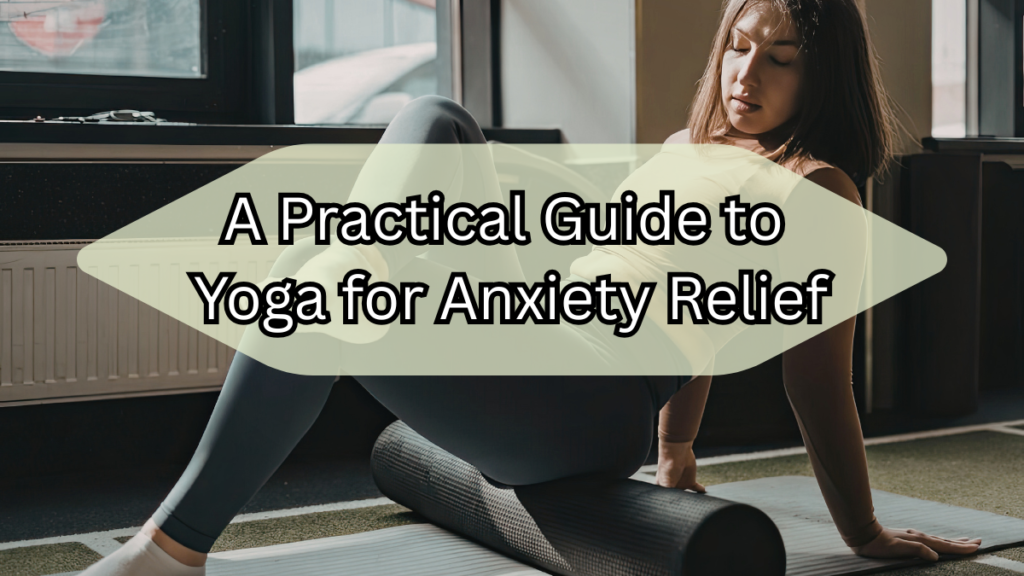
1. Focus on “Grounding” Poses
When your mind is flying off into “what-if” scenarios, you need poses that pull your energy back down to earth. Poses that involve your feet or back being firmly planted on the floor are excellent for this.
- Child’s Pose (Balasana): This is the ultimate “reset” button. It folds the body inward, creating a sense of safety and quiet.
- Legs Up the Wall (Viparita Karani): This is a powerhouse for anxiety. It reverses blood flow, calms the nervous system, and requires zero flexibility. It’s the yoga equivalent of a deep sigh.
2. Don’t Forget the “Pranayama” (Breathwork)
In yoga, the breath is the bridge between the mind and the body. If you’re feeling a spike of panic, your breath likely becomes shallow and fast.
- The Technique: Try “Box Breathing” or “Ujjayi” breath. Deep, diaphragmatic breathing helps lower cortisol levels and provides an immediate “anchor” for a wandering mind.
3. Move with Intent, Not Speed
While a high-intensity “Power Yoga” class has its benefits, those looking for Tips to Yoga for Anxiety Relief should consider slower styles like Yin or Restorative Yoga. These practices involve holding poses for longer periods, allowing the connective tissues to release and giving the mind time to settle.
Addressing Physical Limitations and Concerns
One of the most common questions is: “Can I do yoga if I have an injury or chronic pain?” Whether you’re dealing with a sensitive back—like a herniated disc at L4-L5—or you’re recovering from a surgery, yoga can still be a tool for you.
- Modification is King: Every pose can be adapted. Use blocks, bolsters, or even a chair. Yoga should never hurt. If you feel a sharp or “electric” pain, that’s your body’s way of saying “stop.”
- Consult the Pros: If you have a specific physical concern, it’s always worth checking in with a physical therapist or a specialized instructor. Somatic healing is about working with your body’s current state, not forcing it into a shape it isn’t ready for.
Building a Sustainable Habit
The real magic of yoga doesn’t happen during a 90-minute class once a month. It happens in the 10 minutes you spend on your mat before work or before bed.
| Component | Goal for Anxiety |
| Frequency | Aim for 3–5 times a week, even for just 10 minutes. |
| Atmosphere | Low lighting, comfortable temperature, and no phones. |
| Mindset | Curiosity over judgment. If you wobble, just laugh and reset. |
Conclusion: Coming Back to Center
Yoga for anxiety relief is a journey of returning to your own body. It teaches us that while we can’t control the external world, we can control our internal reaction to it. By using these Tips to Yoga for Anxiety Relief, you aren’t just stretching your hamstrings; you’re expanding your capacity for peace.
The mat is always there. Whether you’re a seasoned “yogi” or someone who can barely reach their knees, the benefits of the practice are available the moment you take that first conscious breath.
Take the Next Step
- Subscribe to our newsletter for weekly sequences designed specifically for stress management and physical recovery.
- Leave a comment: What is your go-to “emergency” pose when you feel stressed?
- Share this post with someone who has been feeling the weight of the world lately.