

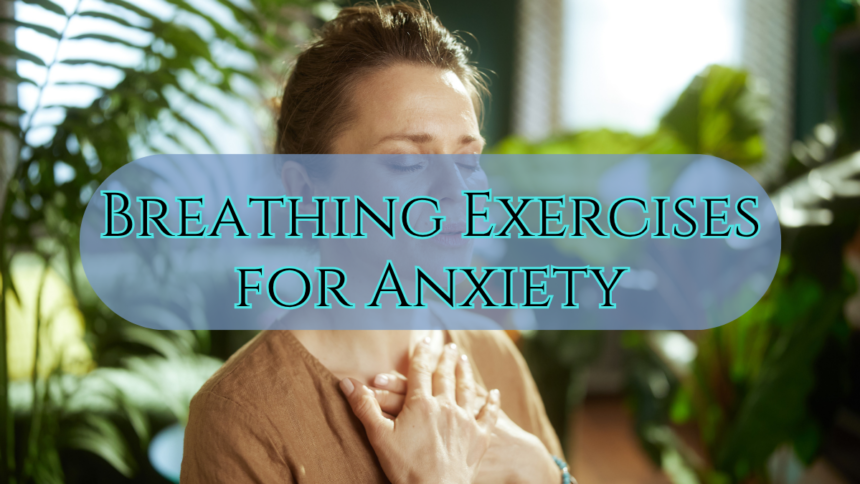
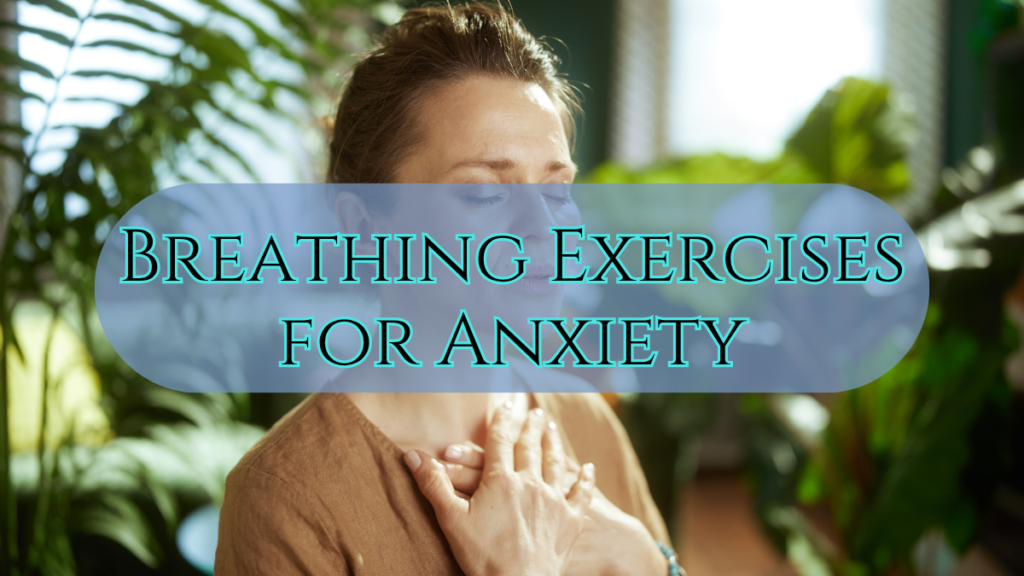
Breathing Exercises for Anxiety
We’ve all been there. You’re sitting at your desk, perhaps staring at a complex line of code or a mounting list of e-commerce orders, and suddenly, the room feels a little too small. Your heart starts doing a drum solo against your ribs, and your breath becomes shallow, catching in the upper part of your chest.
In the digital age, our bodies are constantly “pinged” by stressors that our ancestors only faced when being chased by apex predators. The problem is that our nervous system can’t tell the difference between a server crash and a saber-toothed tiger. When anxiety hits, your “fight or flight” response takes the wheel, and the first thing it does is hijack your lungs.
But here is the good news: while you can’t manually tell your heart to slow down or your adrenal glands to stop pumping, you can manually control your breath. It is the only part of your autonomic nervous system that you have a direct “override” switch for. This guide explores the best Breathing Exercises for Anxiety and provides actionable tips to help you regain control when the world feels like it’s spinning a bit too fast.
The Science of the “Sigh”: Why Breath Matters
To understand why breathing is so effective, we have to talk about the Vagus Nerve. Think of this nerve as the “superhighway” of your parasympathetic nervous system—your body’s internal “brake pedal.”
When you take short, shallow breaths into your chest, you are effectively shouting at your brain: “Be afraid! Something is wrong!” This creates a feedback loop that keeps your anxiety levels high. However, when you engage in deep, rhythmic breathing, you stimulate the vagus nerve. This sends a chemical signal to your brain that says, “We’re safe. You can power down the alarm now.” It lowers your heart rate, reduces cortisol, and brings your logical prefrontal cortex back online.
Core Techniques: Your Anxiety Toolkit
If you’re looking for immediate relief, these three techniques are the “gold standard.” They require no special equipment and can be done anywhere—from a quiet bedroom to a crowded train.
1. The 4-7-8 Technique (The “Natural Tranquilizer”)
Popularized by Dr. Andrew Weil, this technique is designed to act like a sedative for the nervous system.
- How to do it: Inhale through your nose for 4 seconds. Hold that breath for 7 seconds. Exhale forcefully through your mouth with a “whoosh” sound for 8 seconds.
- Why it works: The long, slow exhalation is the key. It forces your heart rate to slow down and prevents the “over-breathing” that often leads to lightheadedness during a panic spike.
2. Box Breathing (The Navy SEAL Standard)
This is a favorite among high-performance professionals and elite soldiers because it provides “calm focus” rather than just relaxation.
- How to do it: Imagine a box. Inhale for 4, hold for 4, exhale for 4, and hold the “empty” breath for 4. Repeat the cycle.
- Why it works: It provides a rhythmic “anchor” for the mind. Focusing on the count and the four equal sides of the “box” helps interrupt the racing “what-if” thoughts of anxiety.
3. Diaphragmatic Breathing (Belly Breathing)
Most of us are “chest breathers,” which is inefficient and stressful. Diaphragmatic breathing is how we were born to breathe.
- How to do it: Place one hand on your chest and the other on your belly. Inhale deeply so that the hand on your belly rises, while the hand on your chest stays relatively still.
- Why it works: It maximizes oxygen intake and provides a gentle “massage” to your internal organs, further stimulating the vagus nerve.
Essential Tips to “Breathing Exercises for Anxiety”
Knowing the techniques is one thing; using them effectively is another. Here are the practical Tips to Breathing Exercises for Anxiety to ensure you’re getting the most out of every inhale.

1. Practice When You’re Not Anxious
You wouldn’t try to learn how to swim while you’re drowning. The same applies to breathwork. Practice these exercises for 5 minutes a day when you’re feeling relatively calm. This builds “muscle memory” so that when a panic spike actually hits, your body knows exactly what to do.
2. Focus on the Posture Breathing Exercises for Anxiety
If you’re slumped over a keyboard, your diaphragm is compressed. To breathe deeply, you need space. Sit up straight, roll your shoulders back and down, and imagine a string pulling the top of your head toward the ceiling. This is especially important for those managing back tension—good posture supports the breath, and good breath supports the spine.
3. Use the “Micro-Reset”
You don’t need a 20-minute meditation session to see results for Breathing Exercises for Anxiety. Use the “natural gaps” in your day as triggers for a micro-reset.
- While your coffee is brewing.
- While you’re waiting for a file to download or code to compile.
- When you’re sitting at a red light. Just three deep, conscious breaths can be enough to prevent stress from accumulating throughout the day.
4. Don’t Fight the Feelings
A common concern is: “I’m breathing, but I still feel anxious!” This is normal. Breathing exercises aren’t a “delete” button for feelings; they are a way to change your relationship with them. Acknowledge the anxiety, feel it in your body, and keep breathing through it. Eventually, the physical sensation will pass.
Addressing Common Concerns Breathing Exercises for Anxiety
“What if I feel like I can’t get enough air?”
This is a very common sensation during a panic attack, often called “air hunger.” Ironically, it’s usually caused by having too much oxygen and not enough carbon dioxide because you’ve been breathing too fast. The fix? Focus on the exhale. Empty your lungs completely before you try to take the next breath.
“Does it matter if I breathe through my nose or mouth?”
Generally, yes. Your nose is designed for breathing—it filters, warms, and humidifies the air. It also releases nitric oxide, a vasodilator that helps your blood carry oxygen more efficiently. Aim to inhale through the nose whenever possible.
The Physical-Mental Connection
Anxiety isn’t just a mental “glitch”; it’s a physical state. When we are stressed, our muscles tighten, especially in the neck, shoulders, and lower back. This tension can aggravate existing issues, such as herniated discs or chronic muscle pain. By using Breathing Exercises for Anxiety, you are essentially performing “manual maintenance” on your body. You’re letting the muscles know they can let go, which in turn reduces the “pain signals” being sent to the brain.
Conclusion: One Breath at a Time
Managing anxiety isn’t about achieving a state of “perfect zen” where nothing ever bothers you. It’s about building a toolkit so that when the world gets loud, you have a way to find the “volume knob.” Your breath is the most portable, powerful, and scientifically proven tool you own Breathing Exercises for Anxiety.
By incorporating these Tips to Breathing Exercises for Anxiety into your daily routine, you’re moving from a state of “reactivity” to a state of “resilience.” You are the developer of your own internal operating system—make sure you’re using the override switch when you need it.
Take the Next Step
- Subscribe to our newsletter for more insights into digital wellness, physical recovery, and evidence-based mental health tips.
- Leave a comment: Which breathing technique works best for you? Are there any triggers you find especially difficult?
- Share this article: Know someone who’s been feeling the “burnout”? Send this their way—it might be exactly what they need to hear today.