






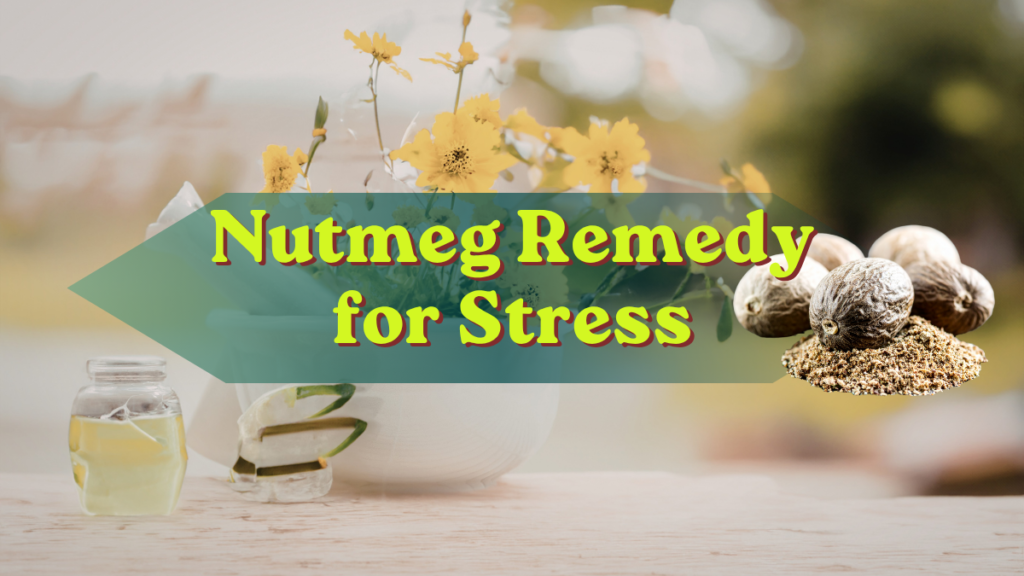
Nutmeg Remedy for Stress
We’ve all had those evenings where the world feels like a television set turned up to maximum volume. Your brain is a carousel of “to-do” lists, that awkward thing you said in a meeting three years ago, and a general sense of low-grade dread. When the noise gets that loud, the instinct is often to reach for something—anything—to dial it back down.
While the supplement aisle is overflowing with expensive extracts and complex formulas, sometimes the most profound relief is sitting right next to the cinnamon in your spice rack. Nutmeg (Myristica fragrans) is more than just a topping for your eggnog or a secret ingredient in your béchamel sauce. In the world of traditional medicine, it has been cherished for centuries as a “nervine”—a substance that specifically targets and soothes the nervous system.
If you’re looking for a grounded, natural way to take the edge off a high-pressure week, let’s explore the nutmeg remedy for stress, how it works, and—most importantly—how to use it safely.
The Science of the Spice: Why Nutmeg?
Nutmeg is a powerhouse of volatile oils, specifically myristicin and elemicin. In small, culinary doses, these compounds interact with our brain chemistry in a way that mimics some of the effects of modern stress-relief tools.
The GABA Connection
Nutmeg is believed to influence GABA receptors in the brain. GABA is your body’s primary “inhibitory” neurotransmitter—basically, it’s the chemical signal that tells your neurons to stop firing so rapidly. By supporting GABA activity, nutmeg acts as a natural sedative, helping to quiet the mental chatter that characterizes chronic stress.
Serotonin and Dopamine
There is also evidence suggesting that nutmeg can help prevent the breakdown of “feel-good” hormones like serotonin and dopamine. By keeping these levels stable, it helps maintain an even mood, preventing the sharp “crashes” that often follow a high-stress event.
Essential Tips to “Nutmeg Remedy for Stress”
Because nutmeg is a potent spice, you can’t just treat it like a garnish. To get the therapeutic benefits without overdoing it, follow these practical Tips to Nutmeg Remedy for Stress.
1. The “Pinch” Rule: Dosage is Everything
Listen, I need to be a bit of a “straight-talker” here: More is NOT better with nutmeg. In very high doses (think several whole nuts), nutmeg becomes a potent hallucinogen and is actually toxic. It can cause heart palpitations, nausea, and extreme confusion.
- The Sweet Spot: Use no more than 1/8 to 1/4 of a teaspoon in a single day. That tiny pinch is all your nervous system needs to find its “reset” button.
2. Fresh is Always Best
If your nutmeg has been sitting in a dusty jar since the Obama administration, it’s not going to do much for your stress. The active oils evaporate over time. Buy whole nutmeg seeds and a small grater. The act of grating it fresh is a sensory experience in itself—the aroma alone can start the relaxation process.
3. The Classic “Moon Milk” Remedy
The most effective way to use nutmeg for stress is to pair it with warm fats, which help the body absorb its active compounds.
- The Recipe: Warm a cup of milk (dairy, oat, or almond) and stir in a pinch of freshly grated nutmeg and a teaspoon of raw honey. Drink this 30 minutes before bed. It signals to your body that the “work day” is officially over.
4. Aromatherapy for “Micro-Stress”
If you’re in the middle of a frantic workday and can’t go whip up a warm drink, keep a small bottle of nutmeg essential oil at your desk. Inhaling the scent directly from the bottle or using a single drop on a tissue can provide an immediate grounding effect.
Addressing Common Concerns
“Will it make me feel ‘out of it’ tomorrow?”
When used in the recommended “pinch” doses, most people wake up feeling refreshed rather than groggy. Unlike some over-the-counter sleep aids, nutmeg helps you transition into a natural sleep cycle rather than forcing a chemical knockout.
“Can I use it if I’m taking other medications?”
Because nutmeg affects the central nervous system, you should always check with your doctor if you are already on antidepressants or anti-anxiety meds. As a general rule, don’t mix your nutmeg remedy for stress with alcohol, as both are processed by the liver and can intensify each other’s sedative effects.
The Holistic Perspective: Mind and Body
Stress isn’t just “in your head.” It’s a physical state. It’s the tension in your jaw and the tightness in your L4-L5 vertebrae. If you are managing physical stressors—like recovering from a back injury or a recent procedure—your baseline anxiety will naturally be higher.
The nutmeg remedy for stress works so well because it addresses this loop. By relaxing the mind, you allow the muscles to release their “grip.” When your muscles relax, your brain receives a signal that it is safe to power down. It is a simple, kitchen-based way to support your overall recovery journey.
Summary of Safety and Usage
| Category | Advice |
| Max Dose | 1/4 teaspoon per day. |
| Best Form | Freshly grated whole seed. |
| Primary Benefit | Better sleep and reduced mental “noise.” |
| Safety Warning | Avoid during pregnancy or if you have a history of liver issues. |
Conclusion: Reclaiming the Ritual
The real power of the nutmeg remedy for stress isn’t just in the chemistry; it’s in the ritual. In a world where we solve everything with a screen or a swipe, the act of grating a spice, warming some milk, and sitting in silence for five minutes is a radical act of self-care.
You don’t need a complicated biohacking routine to find peace. Sometimes, you just need a little bit of ancient wisdom from the back of your cupboard. Next time the “roar” of the world gets too loud, reach for the nutmeg, take a deep breath, and let the spice do the heavy lifting.
Take the Next Step
- Subscribe to our newsletter for more insights into natural remedies, digital wellness, and evidence-based health tips.
- Leave a comment: Do you have a favorite “comfort drink” that uses nutmeg? Let us know!
- Share this article with a friend who has been burning the candle at both ends lately.