



Parkinson Disease
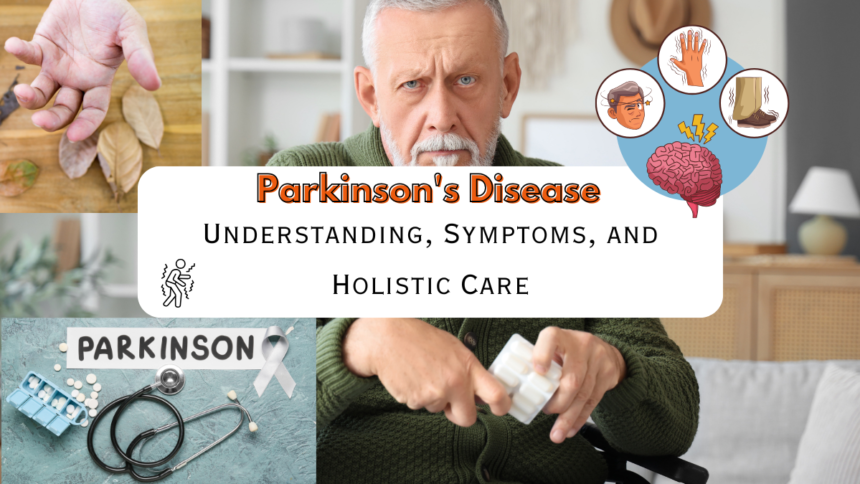
Parkinson disease is a complex neurodegenerative disorder that affects millions worldwide, gradually impacting movement and overall quality of life. Understanding Parkinson’s disease is the first crucial step towards managing its challenges effectively and exploring avenues for holistic well-being. This blog post delves into the intricacies of this condition, from its scientific underpinnings to the potential benefits of integrated care, including Ayurvedic perspectives.
What is Parkinson Disease?
Parkinson’s disease is a progressive neurological condition primarily affecting the brain’s dopamine-producing neurons. Dopamine plays a vital role in regulating movement, mood, and motivation. When these neurons degenerate, dopamine levels drop, leading to the characteristic motor symptoms associated with the disease. While there is no cure, various treatments and lifestyle adjustments can significantly help manage the symptoms and improve daily living.
Unraveling the Causes of Parkinson
The exact cause of Parkinson disease remains largely unknown, often referred to as idiopathic. However, research points to a combination of genetic and environmental factors. Genetic mutations are implicated in a small percentage of cases, particularly early-onset Parkinson. Environmental factors, such as exposure to certain toxins or pesticides, are also being investigated for their potential role. The interplay between these factors is believed to contribute to the development of the disease in most individuals.
Recognizing the Symptoms
The symptoms of Parkinson disease can vary widely among individuals, both in type and severity. They typically develop slowly over years.
Motor Symptoms
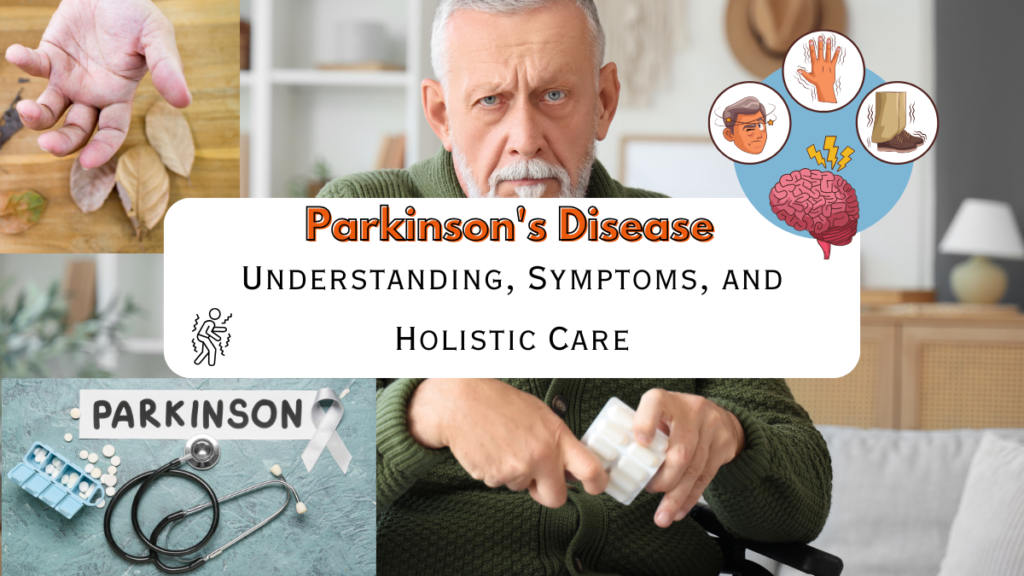
The classic motor symptoms include:
- Tremor: An involuntary shaking, often starting in a limb, usually at rest.
- Bradykinesia: Slowness of movement, making simple tasks difficult and time-consuming.
- Rigidity: Stiffness of the limbs and trunk, which can be painful and limit range of motion.
- Postural Instability: Impaired balance and coordination, leading to a tendency to fall.
Other motor signs may include a shuffling gait, reduced arm swing, and difficulty with facial expressions (masking).
Non-Motor Symptoms
Beyond movement, Parkinson disease also presents a range of non-motor symptoms that can significantly impact daily life:
- Sleep disorders (insomnia, REM sleep behavior disorder)
- Loss of sense of smell (anosmia)
- Constipation
- Depression and anxiety
- Fatigue
- Cognitive impairment (memory issues, difficulty concentrating)
The Scientific Perspective
From a scientific standpoint, Parkinson disease is characterized by the degeneration of dopaminergic neurons in a specific area of the brain called the substantia nigra. This loss of dopamine disrupts the smooth coordination of movements. Researchers are also investigating the role of alpha-synuclein protein aggregates, known as Lewy bodies, found in the brains of people with Parkinson’s. These Lewy bodies are believed to play a critical role in the disease’s progression. Current medical treatments primarily focus on replacing dopamine or mimicking its effects to alleviate motor symptoms.
Ayurveda and Holistic Approaches to Parkinson
While modern medicine provides crucial pharmacological interventions, many individuals with Parkinson’s disease explore complementary and alternative therapies, including Ayurveda, to support their overall well-being. Ayurveda, an ancient Indian system of medicine, views Parkinson’s (often correlated with “Kampavata” or “Vepathu”) as an imbalance of Vata dosha, particularly in the nervous system.
A holistic approach emphasizes:
- Dietary Modifications: Focusing on fresh, wholesome, easily digestible foods, rich in antioxidants.
- Herbal Remedies: Specific Ayurvedic herbs like Ashwagandha (Withania somnifera) and Mucuna pruriens (Kapikacchu), which is a natural source of L-Dopa, are often used under expert guidance.
- Panchakarma Therapies: Detoxification procedures like Abhyanga (oil massage) and Basti (medicated enema) may be recommended to pacify Vata.
- Yoga and Meditation: Gentle yoga asanas, pranayama (breathing exercises), and meditation can help improve flexibility, balance, reduce stress, and enhance mental clarity.
- Lifestyle Adjustments: Regular sleep, stress management, and maintaining a positive outlook are considered vital.
Benefits of a Holistic Approach
Integrating holistic practices with conventional treatment for Parkinson disease can offer several benefits:
- Improved management of non-motor symptoms like anxiety, depression, and sleep disturbances.
- Enhanced physical flexibility, balance, and coordination.
- Reduced reliance on medication, in some cases, under strict medical supervision.
- Better overall quality of life and sense of well-being.
- Empowerment through active participation in one’s health journey.
Limitations and Considerations
It is crucial to understand that Ayurvedic and holistic therapies are complementary and should not replace conventional medical treatment for Parkinson disease. Always consult with your neurologist and an experienced Ayurvedic practitioner before incorporating any new treatment, especially due to potential interactions with existing medications.
Parkinson’s: Myths vs. Facts
There are many misconceptions surrounding Parkinson’s disease. Let’s clarify a few:
- Myth: Parkinson only affects elderly people.
- Fact: While it’s more common in older adults, approximately 10% of people with Parkinson’s are diagnosed before age 50 (early-onset Parkinson’s).
- Myth: Parkinson’s is always characterized by severe tremors.
- Fact: Not everyone with Parkinson’s experiences tremors. Some have more rigidity or bradykinesia, and some have what is called “non-tremor dominant” Parkinson’s.
- Myth: Parkinson’s is curable.
- Fact: Currently, there is no cure for Parkinson’s disease, but treatments can effectively manage symptoms.
- Myth: People with Parkinson’s should avoid exercise.
- Fact: Regular exercise is highly beneficial, helping to improve motor symptoms, balance, and overall well-being.
Who Should Consider a Holistic Approach?
Individuals diagnosed with Parkinson’s disease who are looking for ways to complement their conventional medical treatment and improve their overall quality of life may consider exploring holistic approaches. This includes those who wish to address non-motor symptoms, enhance physical capabilities, and actively participate in their health management. A personalized consultation with both a neurologist and a qualified holistic practitioner is always recommended.
When to Seek Professional Guidance
If you or a loved one notice persistent tremors, slowness of movement, stiffness, or balance issues, it is essential to consult a healthcare professional. An early and accurate diagnosis of Parkinson’s disease is crucial for initiating appropriate treatment and planning for future care. Always seek immediate medical attention for sudden or severe changes in symptoms.
Frequently Asked Questions About Parkinson’s Disease
What is Parkinson disease?
Parkinson’s disease is a progressive neurodegenerative disorder that primarily affects movement due to the gradual loss of dopamine-producing brain cells.
How does Parkinson disease affect the body?
It primarily affects motor functions, causing symptoms like tremors, stiffness, slow movement, and balance problems. It can also lead to non-motor issues like sleep disturbances, depression, and cognitive changes.
Is Parkinson’s disease a genetic condition?
While some cases have a genetic link, most instances of Parkinson’s disease are idiopathic, meaning their exact cause is unknown, likely involving a combination of genetic and environmental factors.
How long does it take for Parkinson’s symptoms to progress?
The progression of Parkinson’s disease varies significantly from person to person. Symptoms typically advance slowly over many years, with some individuals experiencing more rapid changes than others.
Are there side effects of Ayurvedic treatments for Parkinson’s?
When administered by a qualified practitioner, Ayurvedic treatments are generally considered safe. However, like any therapy, they can have side effects or interact with conventional medications. Always consult a healthcare professional before starting any new treatment.
Who should avoid certain holistic therapies for Parkinson’s?
Individuals with severe underlying health conditions, those on complex medication regimens, or pregnant women should exercise caution and consult their primary healthcare provider and specialists before beginning any new holistic therapy.
Conclusion
Parkinson’s disease presents unique challenges, but understanding its multifaceted nature is the first step towards effective management. While modern medicine offers essential pharmacological support, integrating holistic and Ayurvedic practices can significantly enhance quality of life, address non-motor symptoms, and empower individuals on their health journey. Remember, a balanced approach, informed decisions, and continuous consultation with medical professionals are key. If you are seeking a personalized, holistic approach to managing Parkinson’s, consider consulting with an expert like Dr. Milind for tailored guidance.
Use ScifiCalculators.com to Solve Physics, Chemistry, Biology, and Mathematics problems with step-by-step explanations. From quantum mechanics to DNA analysis – we’ve got you covered.