




Spasmodic Dysphonia(Robert F. Kennedy Jr {RFK} )
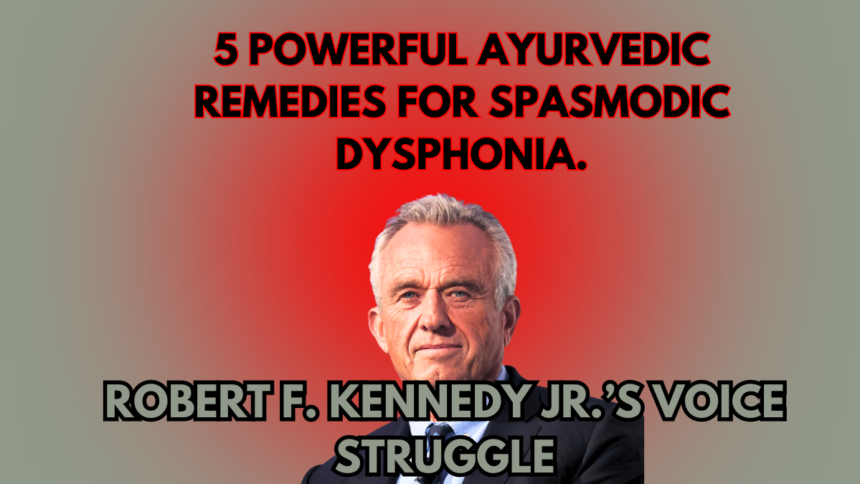
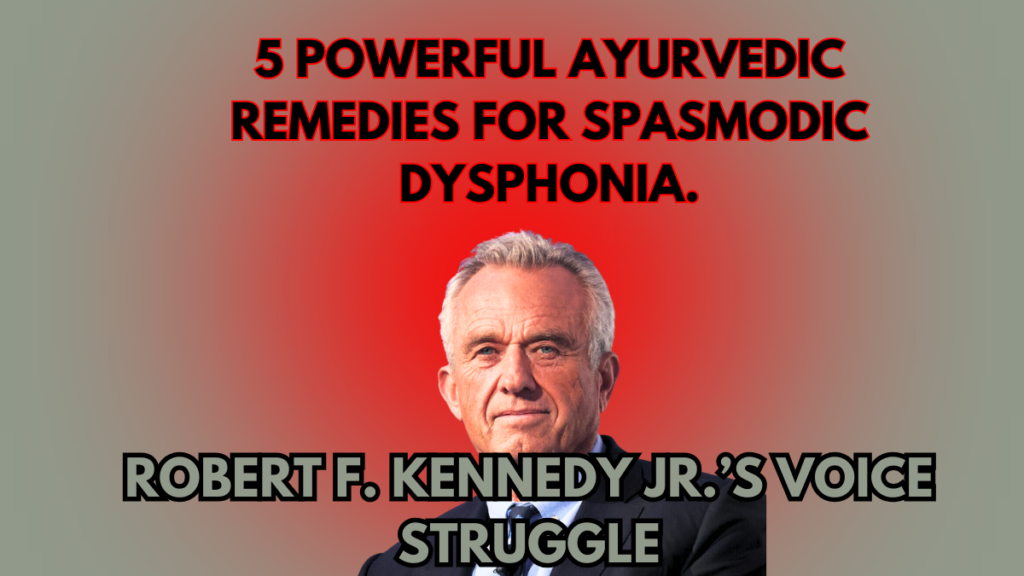
Robert F. Kennedy Jr., a prominent political figure and environmental activist, has been suffering from a rare neurological voice disorder known as spasmodic dysphonia. This condition, which he was diagnosed with in 1996, affects the muscles controlling the vocal cords, causing involuntary spasms that result in a strained, shaky, or breathy voice. Over time, this disorder has significantly impacted his ability to communicate effectively in public settings.
While Western medicine offers treatments like Botox injections and speech therapy, Ayurveda provides holistic solutions that aim to address the root cause of the disorder. This blog explores the nature of spasmodic dysphonia and how Ayurvedic treatments can offer relief.
What is Spasmodic Dysphonia?
Spasmodic dysphonia (SD) is a chronic neurological disorder that affects the larynx (voice box). It is categorized into two main types:
- Adductor Spasmodic Dysphonia (ADSD) – Characterized by involuntary muscle contractions that cause the vocal cords to close too tightly, leading to a strained or choked voice.
- Abductor Spasmodic Dysphonia (ABSD) – Causes the vocal cords to open too much, making the voice sound weak or breathy.
The exact cause of SD is not fully understood, but it is believed to be linked to dysfunction in the basal ganglia, the part of the brain that controls muscle movement. Genetics and environmental triggers may also contribute to the condition.
Symptoms of Spasmodic Dysphonia
- A shaky, strained, or breathy voice
- Difficulty speaking clearly and smoothly
- Vocal fatigue and discomfort
- Increased difficulty in stressful situations
- Speech may temporarily improve when whispering or singing
Video Credits
How Ayurveda Can Help in Managing Spasmodic Dysphonia
In Ayurveda, voice disorders are classified under Swarabheda or Swarasaada, which are caused by imbalances in the Vata, Pitta, and Kapha doshas affecting the throat region.
Ayurvedic Treatments for Voice Disorders
- Nasya Therapy (Nasal Detoxification)
- Nasya involves administering herbal oils through the nasal passages, which helps to clear blockages and nourish the vocal cords.
- Recommended Oils: Anu Taila, Ksheerabala Taila
- Herbal Remedies
- Licorice Root (Yashtimadhu – Glycyrrhiza Glabra): Helps soothe throat irritation and improve vocal quality.
- Haritaki (Terminalia Chebula): Aids in detoxification and balances Vata dosha.
- Brahmi (Bacopa Monnieri): Supports neurological function and reduces stress.
- Gargling with Herbal Decoctions (Kavala and Gandusha)
- Gargling with Triphala decoction or warm salt water can help strengthen the vocal cords.
- Dietary & Lifestyle Modifications
- Avoid excessive cold, dry, and spicy foods.
- Stay hydrated and consume warm herbal teas with ginger and honey.
- Practice stress-relieving activities like yoga, pranayama, and meditation.
- Yoga & Pranayama (Breathing Exercises)
- Bhramari Pranayama (Humming Bee Breath): Enhances vocal clarity and strengthens the respiratory system.
- Ujjayi Pranayama (Victorious Breath): Improves breath control and reduces strain on vocal cords.
Spasmodic dysphonia (SD) is a neurological voice disorder that affects the muscles controlling the vocal cords, leading to involuntary spasms. These spasms disrupt the normal vibration of the vocal cords, resulting in various speech difficulties. Let’s explore the symptoms in detail:
1. A Shaky, Strained, or Breathy Voice
- The voice may quiver or tremble, making it difficult to maintain a steady pitch.
- Some people experience a tight or strangled sound, while others may have a soft, whispery, or breathy voice.
- The voice may break unexpectedly, causing difficulty in completing sentences smoothly.
2. Difficulty Speaking Clearly and Smoothly
- The involuntary spasms make it hard to pronounce words fluidly, leading to hesitation and breaks in speech.
- Sentences may sound choppy or interrupted, affecting overall speech clarity.
- Some people feel like they cannot fully control their vocal cords, causing frustration and self-consciousness.
3. Vocal Fatigue and Discomfort
- Due to the constant strain on the vocal cords, individuals may experience throat pain or discomfort after prolonged speaking.
- The voice may weaken over time, making it difficult to sustain a conversation.
- Some people describe a sensation of tightness or constriction in the throat when trying to speak.
4. Increased Difficulty in Stressful Situations
- Anxiety and stress tend to worsen the symptoms of spasmodic dysphonia.
- When nervous, the voice may become even more strained, choked, or quivery.
- Social interactions, public speaking, and phone conversations may become particularly challenging due to the unpredictability of the voice.
5. Speech May Temporarily Improve When Whispering or Singing
- Interestingly, many individuals with SD find that their voice sounds more normal when whispering, singing, or speaking in a high-pitched or unnatural tone.
- This is because different neural pathways and muscle coordination mechanisms control whispering and singing compared to regular speech.
- However, these improvements are usually temporary and do not eliminate the disorder.
Additional Symptoms
- Frequent throat clearing due to discomfort.
- Hoarseness and voice fluctuations throughout the day.
- Difficulty talking on the phone, as the disorder may be more pronounced in certain vocal pitches.
- Frustration or emotional distress, as the inability to speak normally can affect confidence and social interactions.
Ayurvedic Perspective on These Symptoms
According to Ayurveda, spasmodic dysphonia can be linked to an imbalance in Vata and Kapha doshas, affecting the Udaan Vayu, which governs speech and vocal cord functions. Ayurvedic treatments focus on:
- Nasya Therapy to clear blockages in the throat.
- Herbal remedies like Yashtimadhu and Brahmi to soothe inflammation and strengthen neurological control.
Conclusion
While spasmodic dysphonia is a challenging disorder with no definitive cure, Ayurveda offers holistic and natural approaches to managing symptoms and improving vocal health. Through Nasya therapy, herbal medicines, dietary changes, and breathing exercises, individuals with SD may experience significant relief and better voice control.
If you or someone you know is dealing with voice disorders, consulting an experienced Ayurvedic practitioner can help determine the best personalized treatment plan.