







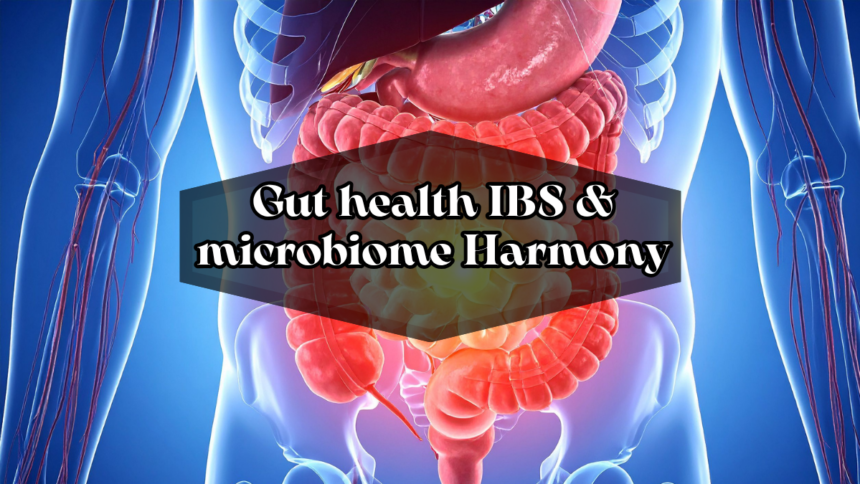
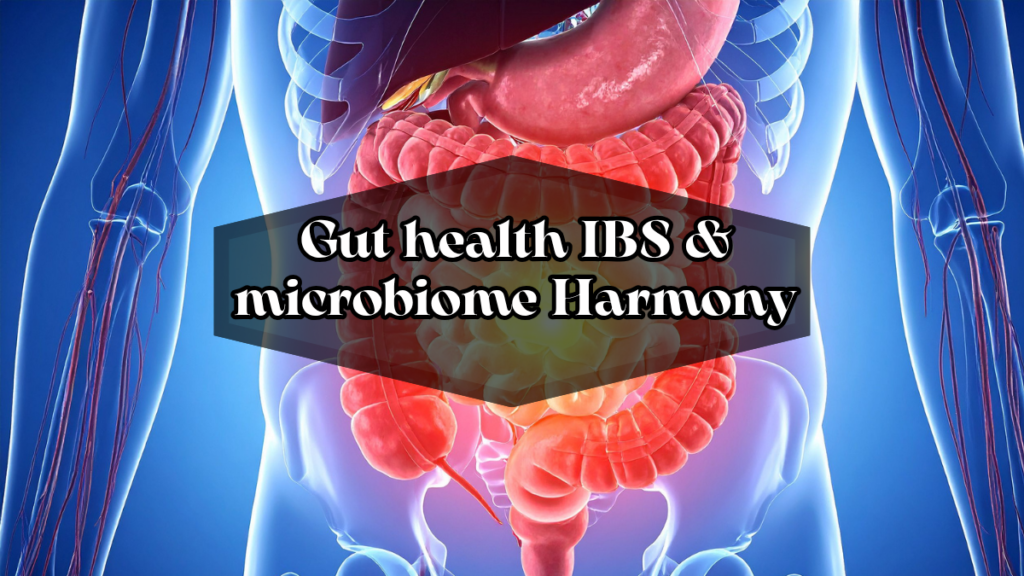
Gut health IBS & microbiome Harmony
Have you ever had a “gut feeling” about a major life choice? Or noticed how butterflies flutter in your stomach right before a big presentation? That is not just a poetic metaphor. It is your gut and your brain carrying out a complex, non-stop, two-way conversation.
Inside your digestive tract lies a sprawling, vibrant universe of trillions of microscopic organisms known collectively as the gut microbiome. When this ecosystem thrives, you feel energized, clear-headed, and comfortable. But when it falls out of balance, it can lead to frustrating, unpredictable digestive hurdles like Irritable Bowel Syndrome (IBS).
If you are tired of dealing with sudden bloating, abdominal cramping, or erratic bathroom trips, you are far from alone. Let’s dive deep into understanding this invisible world and explore real, actionable Tips to Gut health, IBS & microbiome balance that you can start using today.
Meet Your Microbiome: The Trillions of Friends Living Inside You
What exactly is the gut microbiota? Think of it as a bustling, crowded metropolis inside your large intestine. It is home to thousands of species of bacteria, viruses, fungi, and archaea. In fact, scientists estimate that there are more microbial cells in your body than actual human cells.
These little microbes aren’t just freeloaders; they work around the clock to keep you alive. They break down complex dietary fibers your body can’t digest on its own, synthesize essential vitamins (like Vitamin B12 and Vitamin K), and actively train your immune system to distinguish friend from foe.
A healthy gut thrives on biodiversity. Just like an old-growth forest, the more diverse the species present, the more resilient the ecosystem is to stressors. When certain beneficial bacterial strains dwindle, a state called dysbiosis occurs. This microbial imbalance is closely linked to chronic inflammation, metabolic hurdles, and a highly sensitive digestive tract.
The IBS Connection and the Gut-Brain Axis
Irritable Bowel Syndrome (IBS) is a common gastrointestinal disorder characterized by recurrent abdominal pain, cramping, gas, bloating, and altered bowel habits (diarrhea, constipation, or alternating between both). According to global health estimates, IBS affects roughly 10% to 15% of the population.
For decades, IBS was poorly understood—often dismissed as a purely psychological issue or “all in your head.” Modern gastroenterology has completely flipped that script. We now know that IBS is fundamentally a disorder of the gut-brain axis—the bidirectional communication pathway linking your central nervous system with your enteric nervous system (the extensive mesh of nerves embedded in your gut walls).
When your microbiome falls into dysbiosis, it sends distressed signals up the vagus nerve to your brain. This can trigger visceral hypersensitivity, meaning the nerves in your gut become hyper-reactive. Normal digestive movements that wouldn’t bother anyone else suddenly feel like painful cramps or intense bouts of bloating.
Practical Tips to Gut health, IBS & microbiome Recovery
Restoring your digestive peace isn’t about extreme restrictions or buying unproven supplements. It is about consistent, daily habits that feed the good microbes and soothe your nervous system. Here are the most effective, evidence-based strategies to turn things around.
1. Diversify Your Plate with Plant Foods
The absolute best way to boost your microbial diversity is to change what you feed them. Different microbes thrive on different foods. Aim to consume at least 30 distinct plant-based foods per week. This sounds daunting, but it becomes simple when you count fruits, vegetables, whole grains, nuts, seeds, herbs, and spices.
2. Navigate FODMAPs Safely
If you are actively experiencing a severe IBS flare-up, even healthy foods can cause discomfort. This is where FODMAPs (Fermentable Oligosaccharides, Disaccharides, Monosaccharides, and Polyols) come into play. These are short-chain carbohydrates that your small intestine can struggle to absorb. When they reach the colon, your gut bacteria ferment them rapidly, producing gas.
- The Strategy: Work with a health professional to try a temporary low-FODMAP diet to identify your personal triggers, then systematically reintroduce foods to maintain long-term dietary variety.
3. Cultivate Quietness via Mind-Body Practices
Because your gut and brain are intimately linked, chronic psychological stress acts like a physical disruptor to your microbiome. Stress alters gut motility, increases gut permeability (loosening the tight junctions of your intestinal lining), and directly changes the composition of your microbiota. Incorporating just 10 minutes of daily mindfulness, deep diaphragmatic breathing, or gentle yoga can measurably calm down an overactive enteric nervous system.
The Dietary Building Blocks for Your Gut
To make your grocery shopping easier, let’s look at how different food elements support your digestive health and help you implement these structural tips.
| Dietary Component | Primary Function | Best Food Sources |
| Prebiotics | Non-digestible fibers that act as “food” or fuel for your beneficial gut bacteria. | Garlic, onions, leeks, asparagus, under-ripe bananas, and Jerusalem artichokes. |
| Probiotics | Live, beneficial microorganisms that directly add to the population of good microbes in your gut. | Yogurt with live cultures, kefir, unpasteurized sauerkraut, kimchi, kombucha, and miso. |
| Polyphenols | Micronutrients with antioxidant properties that escape early digestion to feed specific healthy bacteria. | Dark chocolate (70% or higher), green tea, blueberries, almonds, and extra virgin olive oil. |
A Note on Supplements: While probiotic capsules can be helpful for specific conditions, they cannot replace a foundation of diverse dietary fiber. Think of probiotic supplements as planting seeds, while prebiotic fibers are the water and rich soil that help them grow.
Taking Back Control of Your Digestive Health
Your gut health isn’t static; it is a dynamic, living system that responds directly to how you eat, move, and handle stress. While managing IBS can feel overwhelming, understanding that your microbiome is an ally can change your entire approach to healing. By focusing on microbial diversity, managing your gut-brain connection, and intentionally utilizing prebiotics and probiotics, you can build a resilient, peaceful digestive system.
Consistency is key. Pick one or two actionable changes this week and give your inner ecosystem the time it needs to find its balance again.
What do you think?
Have you noticed a link between your stress levels and your digestion? What is your favorite gut-friendly food? Let’s talk about it in the comments below! If you found this guide helpful, consider sharing it with a friend or subscribing to our wellness newsletter for more weekly insights.