








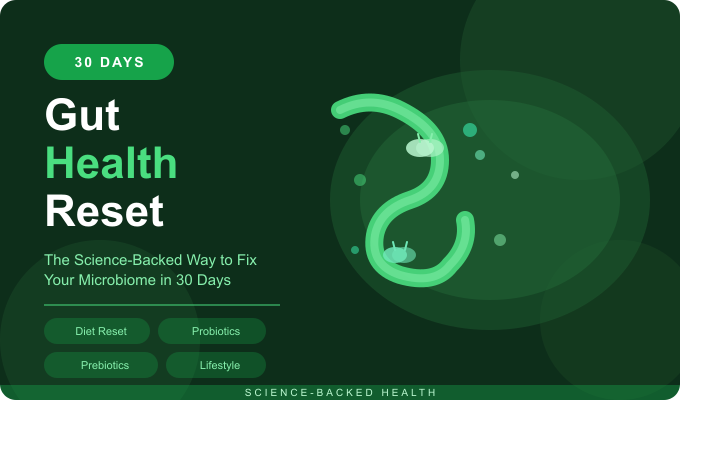
If you’ve been dealing with bloating, low energy, brain fog, or stubborn weight — your gut microbiome might be the missing piece. A gut health reset isn’t a fad. Research shows that the trillions of bacteria living in your digestive tract control far more than digestion. They influence your immune system, mood, metabolism, and even your risk of chronic disease.
The good news? You can start turning things around in as little as 30 days. Here’s exactly how to do it, step by step.
What Is the Gut Microbiome — And Why Does It Matter?
Your gut microbiome is a complex community of trillions of bacteria, fungi, and other microorganisms living in your digestive system. Think of it as an internal ecosystem — when it’s balanced, everything runs smoothly. When it’s out of whack, you feel it everywhere.
According to the National Institutes of Health (NIH), the gut microbiome plays a critical role in digesting food, producing vitamins, regulating inflammation, and communicating with the brain through what scientists call the gut–brain axis. A disrupted microbiome — known as dysbiosis — has been linked to conditions ranging from IBS and obesity to anxiety and autoimmune disorders.
💡 The science is clear: a healthier gut means a healthier you. And unlike your genetics, your microbiome is something you can actively change — starting today.
Signs Your Gut Needs a Reset
Not sure if your gut is struggling? Your body sends signals. Learning to read them is the first step toward better digestive health.
Physical Symptoms to Watch For
- Frequent bloating, gas, or stomach cramps
- Constipation or diarrhea (or alternating between both)
- Unexplained fatigue, even after a full night of sleep
- Skin issues like acne, eczema, or rosacea
- Food intolerances you didn’t have before
- Getting sick frequently (weakened immunity)
Mental and Emotional Clues
- Persistent brain fog or difficulty concentrating
- Anxiety or low mood without a clear cause
- Sugar cravings that feel out of your control
- Poor sleep quality
Research shows that up to 95% of serotonin — your feel-good neurotransmitter — is produced in the gut. If your gut bacteria are off-balance, your mental health often follows.
The Science Behind a 30-Day Gut Reset
You might be wondering: can you really fix your microbiome in 30 days? The answer is yes — at least significantly. A landmark 2021 study published in the journal Cell found that a high-fiber diet changed the composition of participants’ gut bacteria in as little as three to four weeks. Another study from Stanford University showed that fermented foods boosted microbiome diversity within the same timeframe.
The 30-day gut reset works by targeting four core steps — removing harmful triggers, repairing the gut lining, reinoculating with beneficial bacteria, and rebuilding healthy long-term habits. This four-phase approach is often recommended by functional medicine practitioners and gastroenterologists as a proven starting point for restoring gut function.
You won’t just feel better in a month. You’ll build a foundation your microbiome can thrive on for years.
Week-by-Week Gut Reset Plan
📅 Week 1 — Remove & Repair
Your first priority is clearing out what’s damaging your gut. That means cutting the foods and habits that promote harmful bacteria and gut inflammation.
❌ Remove these gut disruptors:
- Processed and ultra-processed foods (chips, fast food, packaged snacks)
- Added sugars and artificial sweeteners
- Alcohol
- Gluten and dairy (temporarily, especially if you notice sensitivities)
- Unnecessary antibiotics or over-the-counter NSAIDs where possible (consult your doctor first)
✅ Start repairing with these gut-supportive foods:
- Bone broth — rich in collagen and glutamine, which help seal a leaky gut lining
- Cooked vegetables like zucchini, sweet potato, and carrots (easier to digest)
- Aloe vera juice (unsweetened) — shown to soothe gut lining inflammation
- Plenty of water — aim for half your body weight in ounces daily
Week 1 is about giving your gut a break and starting the healing process.
📅 Week 2 — Reinoculate
Now it’s time to flood your gut with beneficial bacteria. This week, you’ll focus on probiotics — both from food and supplements.
Best probiotic-rich foods:
- Plain Greek yogurt (with live cultures)
- Kefir — one of the most potent natural probiotic sources
- Sauerkraut and kimchi — fermented vegetables loaded with Lactobacillus strains
- Miso soup
- Kombucha (low sugar)
Research shows that eating two to three servings of fermented foods daily can increase microbiome diversity by up to 19% in just four weeks. Diversity is key — a wider variety of bacteria means a more resilient gut.
You can also add a high-quality probiotic supplement with at least 10 billion CFUs. Look for strains like Lactobacillus acidophilus, Bifidobacterium longum, and Lactobacillus rhamnosus — the most studied and proven strains for digestive health.
📅 Week 3 — Rebuild
Probiotics need fuel to survive and multiply. That fuel is prebiotic fiber — the non-digestible plant fibers that feed your good bacteria.
Top prebiotic foods to add:
- Garlic and onions — among the richest sources of inulin (a key prebiotic fiber)
- Jerusalem artichokes
- Bananas (slightly under-ripe are best)
- Oats
- Asparagus and leeks
- Legumes like lentils, black beans, and chickpeas
The goal is to eat 25–38 grams of dietary fiber per day — the amount recommended by the American Heart Association. Most Americans only get about 15 grams daily, which is one reason gut health issues are so common.
Pair your prebiotics with your probiotics for a synergistic effect (these combinations are sometimes called “synbiotics”). Think yogurt with oats, or kimchi with a lentil dish.
📅 Week 4 — Maintain
You’ve done the hard work. Week 4 is about cementing these habits so your gut health improvements stick for the long haul.
Focus on:
- Eating 30+ different plant foods per week (research from the American Gut Project found this was the single strongest predictor of microbiome diversity)
- Keeping a consistent sleep schedule — sleep deprivation alters gut bacteria composition within two days
- Managing stress daily (more on this below)
- Staying hydrated
By the end of week four, most people report noticeable improvements in energy, digestion, and mental clarity. Consider tracking your symptoms in a simple journal so you can see your progress.
Best Foods for Gut Health (What to Eat & Avoid)
| ✅ Eat More | ❌ Limit or Avoid |
|---|---|
| Fermented foods (yogurt, kefir, kimchi, sauerkraut, miso) | Ultra-processed foods and refined carbohydrates |
| High-fiber vegetables (broccoli, Brussels sprouts, artichokes) | Added sugar in all forms |
| Fruits rich in polyphenols (blueberries, pomegranate, apples) | Artificial sweeteners (may negatively alter gut bacteria) |
| Whole grains (oats, quinoa, brown rice) | Excessive red meat |
| Healthy fats (extra virgin olive oil, avocado, walnuts) | Alcohol |
| Lean proteins (wild salmon, chicken, eggs) | — |
The Mediterranean diet consistently ranks as one of the most gut-friendly eating patterns in the world, backed by decades of research. It’s a sustainable, delicious template for long-term gut health.
Lifestyle Habits That Support Your Microbiome
Food is only part of the picture. These lifestyle factors have a proven, direct impact on your gut bacteria.
🏃 Exercise regularly. A 2019 study found that just six weeks of aerobic exercise increased levels of short-chain fatty acid (SCFA)-producing bacteria — the kind that reduce inflammation and support gut barrier integrity. Aim for 150 minutes of moderate exercise per week.
🧠 Manage chronic stress. Stress triggers the release of cortisol, which disrupts the gut–brain axis and can trigger digestive flare-ups. Proven stress-reduction tools include mindfulness meditation, deep breathing, yoga, and spending time in nature.
😴 Prioritize sleep. The gut and circadian rhythm are deeply connected. Poor sleep disrupts the gut microbiome within 48 hours, according to research. Aim for 7–9 hours of quality sleep per night.
🌿 Spend time outdoors. Exposure to diverse environments and soil microbes (even through gardening) has been shown to boost microbiome diversity.
💊 Avoid unnecessary antibiotics. While sometimes essential, antibiotics wipe out both harmful and beneficial bacteria. If you must take them, follow up with a probiotic course.
Gut Health Supplements: What’s Worth It?
The supplement market is crowded and confusing. Here’s a straightforward breakdown of what the science actually supports.
| ✅ Worth Considering | 🚫 Mostly Hype |
|---|---|
| Probiotics — Multi-strain formulas, 10–50 billion CFUs, live cultures guaranteed at expiration | “Gut detox” teas and cleanses — no clinical evidence |
| Prebiotics / Psyllium husk — Soluble fiber that feeds good bacteria | Activated charcoal supplements — can interfere with medication absorption |
| L-Glutamine — Supports gut lining repair; 5g/day is commonly studied | Expensive proprietary “gut reset” programs — achievable with whole foods |
| Digestive enzymes — May help if you experience post-meal bloating | — |
| Magnesium glycinate — Supports motility and reduces constipation | — |
Always talk to your doctor before starting new supplements, especially if you have an existing condition or take medications.
Frequently Asked Questions
❓ How long does it really take to reset your gut microbiome?
Research shows measurable changes in gut bacteria composition can happen within two to four weeks of dietary changes. However, deeper microbiome shifts — especially after antibiotic use or long-term poor diet — may take three to six months of consistent effort.
❓ Can I do a gut reset while taking antibiotics?
Yes, but time your probiotic doses at least two hours apart from your antibiotic dose so the medication doesn’t kill the beneficial bacteria before they can work. Always consult your prescribing doctor for personalized guidance.
❓ What is leaky gut, and can this plan help?
Leaky gut (intestinal permeability) refers to a condition where the gut lining becomes more porous, allowing undigested food particles and toxins to enter the bloodstream. This plan directly supports gut lining repair through bone broth, glutamine, and anti-inflammatory foods. Speak with a gastroenterologist if you suspect a serious underlying condition.
❓ Do I need expensive probiotic supplements, or can I get enough from food?
Food-based probiotics are highly effective and often preferable to supplements because they come with additional nutrients and fiber. Aim for two to three servings of fermented foods daily. Supplements are most useful after antibiotic use, during travel, or if fermented foods aren’t a practical option for you.
❓ Will a gut reset help with weight loss?
It can support weight management indirectly. Research shows that a diverse, healthy microbiome improves insulin sensitivity, reduces inflammation, and may affect hunger hormones like ghrelin and leptin. However, a gut reset is not a weight loss program on its own — it’s a foundational piece of overall metabolic health.
The Bottom Line
Your gut is the command center of your health. When it’s working well, everything from your energy and immune system to your mood and metabolism functions better. The science-backed 30-day gut reset outlined here isn’t a quick fix — it’s a systematic, research-supported approach to restoring balance to your microbiome from the inside out.
Start with Week 1 today. Remove the disruptors. Bring in the beneficial bacteria. Feed them with prebiotic fiber. And build habits that keep your gut thriving for life.
Give it one month — and pay attention to how different you feel.
Ready to go deeper? Explore our guides on the Mediterranean diet for gut health, the best probiotic foods, and how stress affects your digestive system.
This article is for informational purposes only and does not constitute medical advice. Please consult a qualified healthcare professional before making any health decisions.