







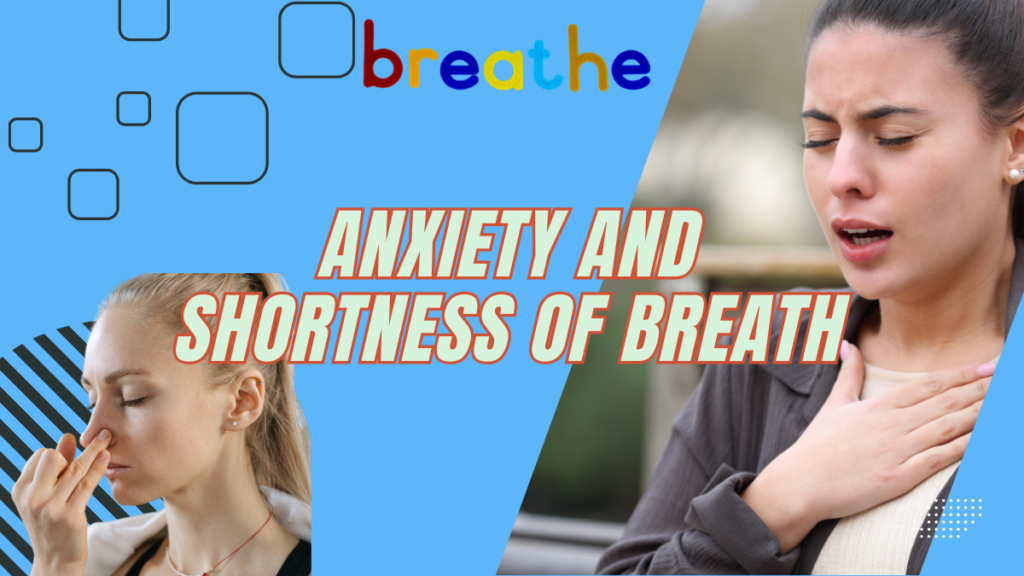
Anxiety and Shortness of Breath
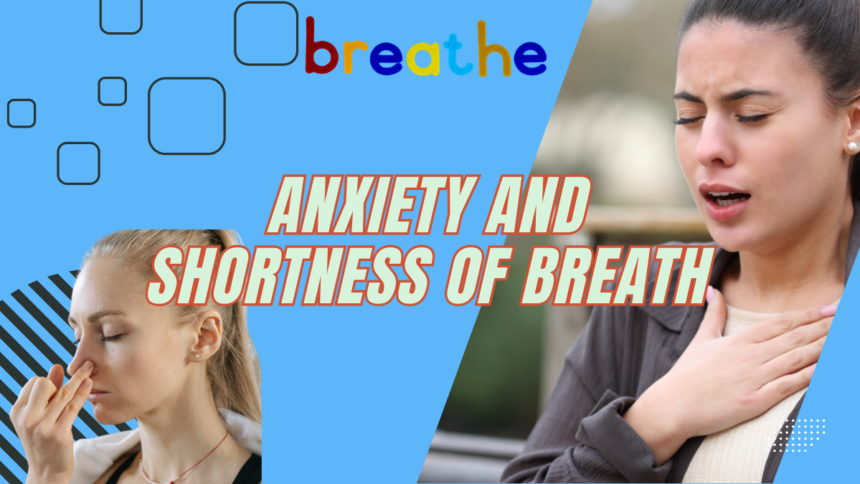
Have you ever been sitting in a quiet room, perfectly still, when suddenly it feels like the air has become thin? You take a deep breath, but it feels like it stops at your throat. You try again, chest heaving, but that satisfying “click” of a full lung never comes. This sensation, often called “air hunger,” is one of the most distressing ways our bodies react to stress.
When you’re caught in the cycle of Anxiety and Shortness of Breath, it’s easy to spiral. Your brain tells you there’s something wrong with your lungs, which makes you more anxious, which in turn makes your breathing even shallower. It’s a physiological “glitch” that can make you feel like a fish out of water.
In this guide, we’re going to dismantle the fear behind this symptom. We’ll look at the science of why your breath hitches and provide actionable Tips to “Anxiety and Shortness of Breath“ to help you reclaim your natural rhythm.
The Science of Survival: Why Anxiety Steals Your Breath
To find relief, we first have to understand the “Fight or Flight” response. When your brain perceives a threat—even a psychological one like a looming deadline or social pressure—it prepares your body to either fight a predator or run for your life.
Your body wants to flood your muscles with oxygenated blood. To do this, your heart rate increases and your breathing becomes rapid and shallow. This is designed to be a short-term burst of energy. However, when you are sitting at a desk or lying in bed, you aren’t actually using that extra oxygen. This leads to an imbalance of carbon dioxide and oxygen in your blood, which ironically makes you feel like you aren’t getting enough air.
Getty Images
The Role of the Diaphragm
In a relaxed state, you breathe using your diaphragm—the large muscle at the base of your lungs. When anxiety kicks in, you switch to “chest breathing.” You use the small muscles in your neck and upper chest to pull in air. These muscles tire quickly, leading to that heavy, aching feeling in your chest and the sensation that you are working too hard to breathe.
Anxiety vs. Medical Issues: Is it My Lungs or My Mind?
This is the question that keeps most people awake at night. Shortness of breath (clinically known as dyspnea) can be caused by various conditions, including asthma, allergies, or heart issues.
According to reputable sources like the Mayo Clinic, a key differentiator is how the sensation behaves. If your shortness of breath is accompanied by a racing mind, happens mostly during stressful moments, and disappears when you are distracted or asleep, it is likely linked to anxiety. However, if the breathlessness occurs primarily during physical exertion or is accompanied by a persistent cough or wheezing, it is vital to consult a healthcare professional to rule out underlying physical causes.
Immediate Tips to “Anxiety and Shortness of Breath” Relief
If you feel your chest tightening right now, these three techniques can help signal to your brain that the “emergency” is over.
1. The Physiological Sigh
Research from Stanford University suggests that this is the fastest way to lower your heart rate and re-inflate the tiny air sacs (alveoli) in your lungs.
- Inhale deeply through your nose.
- At the very top of that breath, take one more tiny “sip” of air.
- Exhale very slowly through your mouth, like you’re breathing through a straw.
2. Rectangular (Box) Breathing
Used by elite performers to stay calm under pressure, this method focuses on rhythm.
- Inhale for 4 seconds.
- Hold for 4 seconds.
- Exhale for 4 seconds.
- Hold for 4 seconds.
3. Resistance Breathing
If you feel like the air is “rushing” too fast, purse your lips as if you are about to whistle. Exhale slowly against that resistance. This back-pressure helps keep your airways open longer and prevents the “panic-panting” that leads to hyperventilation.
Modern Holistic Practices: Enhancing Patient Care Through Technology
In 2026, the way we manage mental health is becoming more integrated and proactive. We are moving beyond the idea that you only address anxiety when you’re in a crisis. Modern holistic practice involves tracking these symptoms daily to see the “big picture.”
Many forward-thinking clinics are now enhancing patient care by utilizing mobile applications that act as a bridge between the patient and the provider. These tools allow you to log episodes of shortness of breath, track your heart rate variability (HRV), and improve follow-ups. By seeing the data—realizing, for example, that your breathlessness always happens on Sunday evenings—you can address the root cause rather than just the symptom. This data-driven approach turns “scary sensations” into manageable information.
Long-Term Recovery: Beyond the Quick Fix
While breathing exercises are great “emergency brakes,” long-term freedom from Anxiety and Shortness of Breath requires a broader approach.
- Mindfulness and CBT: Cognitive Behavioral Therapy helps you identify the “thought traps” that trigger the physical sensation. When you stop fearing the shortness of breath, it actually stops happening as often.
- Somatic Movement: Practices like Yoga or Tai Chi teach you how to stay connected to your body without being afraid of its signals.
- Vagus Nerve Stimulation: Simple habits like singing, humming, or gargling cold water can stimulate the vagus nerve, which tells your nervous system to switch into “Rest and Digest” mode.
Conclusion: Reclaiming Your Natural Rhythm
Feeling like you can’t breathe is a terrifying experience, but it is one that you can navigate. By understanding the biology of “air hunger” and utilizing modern tips to “Anxiety and Shortness of Breath”, you can transform your relationship with your body.
Remember, your breath is always there for you; sometimes, you just need to get out of its way. Be patient with your nervous system, use your grounding tools, and don’t hesitate to reach out for professional support as you find your way back to calm.
What is the first thing you do when you feel your chest start to tighten? Share your strategies in the comments below—your tip might be exactly what someone else needs to read today. To receive more weekly insights on finding peace in a fast-paced world, subscribe to our newsletter today.