


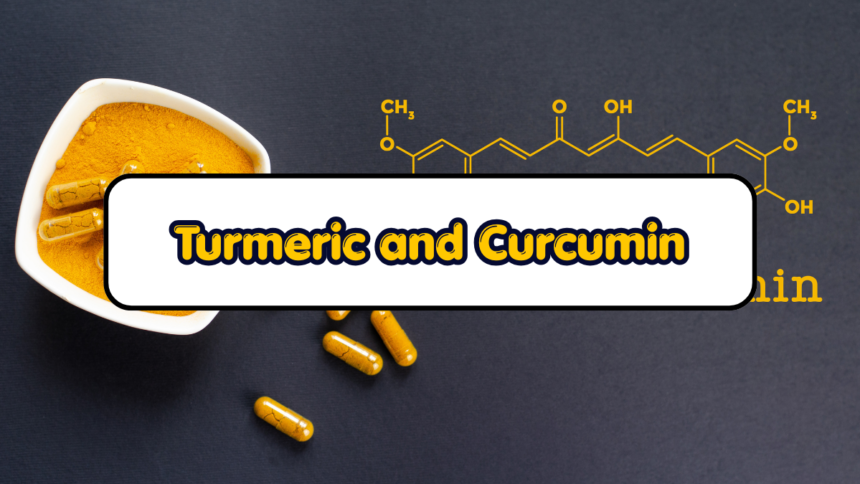
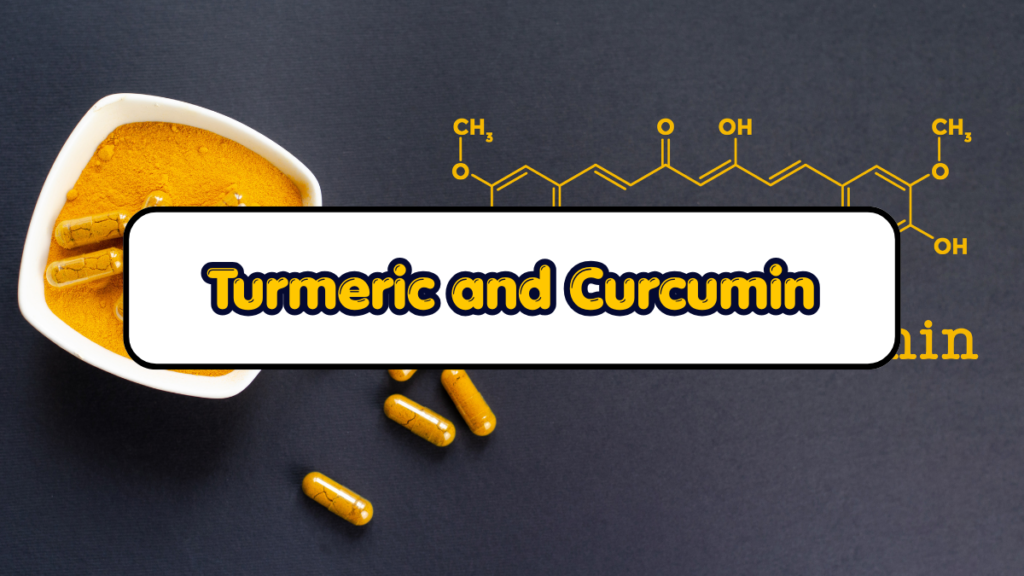
Turmeric and Curcumin
A rigorous, evidence-first guide to turmeric and curcumin the specific mechanisms, the clinical trial data, the bioavailability problem and its solutions, and ten distinct inflammatory pathways where the research actually supports the hype
There are very few substances in the history of natural medicine that have attracted the attention of over ten thousand peer-reviewed scientific publications. Turmeric and curcumin have. Since the first isolation of curcumin from Curcuma longa in 1815 by Vogel and Pelletier, and particularly in the explosion of molecular biology research in the past three decades, the golden spice that has coloured and flavoured Indian cooking since before recorded history has become, simultaneously, one of the most studied compounds in pharmacological research and one of the most misrepresented substances in wellness marketing.
The misrepresentation cuts in both directions. On one side, enthusiastic supplement companies have extrapolated far beyond what the evidence supports, claiming turmeric and curcumin can cure everything from depression to cancer with a daily capsule. On the other side, reflexive sceptics dismiss the entire field by noting turmeric and curcumin’s well-documented bioavailability challenges and the high failure rate of curcumin in late-stage pharmaceutical trials without acknowledging that the mechanisms are real, that several clinical applications are well-supported, and that the bioavailability problem has been substantially solved through modern formulation technology.
This article attempts something more honest than either extreme: a rigorous examination of ten specific, mechanistically characterised, clinically supported ways that turmeric and curcumin fight inflammation with clear distinctions between what is established in human clinical trials and what remains at the preclinical stage, and with practical guidance on how to use turmeric and curcumin effectively given what the research actually shows.
The Bioavailability Problem: Why This Matters Before Everything Else
Any serious discussion of turmeric and curcumin must begin with the bioavailability problem, because understanding it is essential for interpreting the research and for using the herb effectively. Curcumin the primary active polyphenolic compound in turmeric and curcumin preparations, along with the related curcuminoids demethoxycurcumin and bisdemethoxycurcumin is poorly absorbed from the gut when taken alone, rapidly metabolised in the intestinal wall and liver, and quickly eliminated, resulting in very low plasma and tissue concentrations from standard turmeric and curcumin preparations.
This is not a reason to dismiss turmeric and curcumin’s pharmacological relevance it is a reason to understand three things: first, that the gut itself (where curcumin concentrations remain high after oral ingestion regardless of systemic absorption) is a relevant site of action for several of turmeric and curcumin’s documented effects; second, that three practical strategies dramatically improve systemic bioavailability; and third, that some clinical effects may be mediated by curcumin metabolites (including tetrahydrocurcumin) that are more systemically bioavailable than parent curcumin itself.
The three practical bioavailability enhancement strategies with evidence behind them are co-administration with piperine (black pepper’s primary alkaloid, which inhibits intestinal glucuronidation and enhances curcumin absorption by up to 2,000% the basis for the traditional turmeric-black pepper combination), co-consumption with dietary fat (curcumin is fat-soluble and absorption is significantly enhanced by concurrent fatty food intake the basis for traditional golden milk in whole fat milk), and modern pharmaceutical formulations including phospholipid complexes (phytosome technology), nanoparticle delivery, micronisation, and lipid-based delivery systems. The last category with commercially available examples including Meriva (phospholipid complex), Theracurmin (colloidal dispersion), Longvida (lipid microparticle), and BCM-95 (essential oil complex) has produced dramatically improved bioavailability in clinical settings, and several of the clinical trials discussed in this article used these enhanced-bioavailability formulations specifically.
With this foundational context established, the ten evidence-supported ways turmeric and curcumin fight inflammation can be understood with appropriate specificity.
1. NF-κB Suppression: Targeting the Master Inflammation Switch
The most important and most extensively characterised mechanism of turmeric and curcumin’s anti-inflammatory activity is the suppression of NF-κB (Nuclear Factor kappa-light-chain-enhancer of activated B cells) a transcription factor that functions as a master regulatory switch for inflammatory gene expression, controlling the production of dozens of pro-inflammatory mediators simultaneously.
NF-κB is activated by a wide range of inflammatory triggers oxidative stress, cytokines, infections, toxins, and mechanical stress and its activation leads to the transcription of genes encoding prostaglandins, leukotrienes, COX-2, iNOS (inducible nitric oxide synthase), and multiple pro-inflammatory cytokines including TNF-α, IL-1β, IL-6, and IL-8. This makes NF-κB activation a final common pathway for diverse inflammatory inputs, and its suppression an unusually broad-spectrum anti-inflammatory mechanism.
Multiple studies have demonstrated that turmeric and curcumin inhibit NF-κB activation through several convergent mechanisms: preventing IκB kinase (IKK) activation, inhibiting IκBα phosphorylation and degradation (which would otherwise release NF-κB to enter the nucleus), and directly inhibiting NF-κB’s DNA-binding activity. A comprehensive review in Biochemical Pharmacology documented curcumin’s NF-κB inhibitory activity across multiple cell types and inflammatory conditions, positioning it as one of the most potent natural NF-κB inhibitors identified to date.

2. COX-2 and Prostaglandin Inhibition: The Ibuprofen Parallel
Turmeric and curcumin inhibit cyclooxygenase-2 (COX-2) the enzyme responsible for converting arachidonic acid into prostaglandins, the lipid mediators central to pain, fever, and vascular inflammation. This is the same enzyme targeted by NSAIDs including ibuprofen, naproxen, and the selective COX-2 inhibitors (celecoxib), providing a mechanistic explanation for turmeric and curcumin’s documented analgesic and anti-inflammatory effects.
The advantage of turmeric and curcumin’s COX-2 inhibitory activity over pharmaceutical NSAIDs lies in its selectivity profile and side effect consequences: unlike non-selective NSAIDs that inhibit both COX-1 (which produces gastroprotective prostaglandins) and COX-2, curcumin demonstrates preferential COX-2 inhibition that may preserve COX-1-dependent gastroprotection, potentially explaining why turmeric and curcumin supplementation has shown gut-protective rather than gut-damaging effects in multiple research settings a directly relevant consideration given the well-documented gastrointestinal side effects of long-term NSAID use.
3. Cytokine Suppression: Reducing the Inflammatory Cascade Upstream
Beyond NF-κB and COX-2, turmeric and curcumin directly suppress multiple pro-inflammatory cytokines at the transcriptional and post-transcriptional levels, including TNF-α (tumour necrosis factor alpha), IL-1β (interleukin-1 beta), IL-6, IL-8, and IL-12. This cytokine suppression profile is directly relevant to the chronic low-grade inflammatory state underlying virtually every major chronic disease discussed in this series from cardiovascular disease to Type 2 diabetes to neurodegeneration.
A 2019 meta-analysis published in Nutrients examining turmeric and curcumin’s effects on inflammatory biomarkers specifically analysing data from randomised controlled trials rather than cell culture or animal studies found significant reductions in circulating CRP (C-reactive protein), IL-6, and TNF-α with curcumin supplementation in populations with elevated inflammatory markers. This meta-analytic evidence for clinically measurable cytokine reductions in human subjects provides the most directly applicable evidence that turmeric and curcumin’s cytokine suppression mechanisms translate from the laboratory to the clinic.
4. Joint Inflammation: Osteoarthritis and Rheumatoid Arthritis Evidence
The joint inflammation applications of turmeric and curcumin represent one of the most extensively tested clinical domains, with multiple randomised controlled trials producing some of the most compelling human evidence in the entire turmeric and curcumin research literature.
A landmark 2014 randomised, double-blind trial published in Phytotherapy Research compared Meriva (a phospholipid-complexed curcumin formulation) to a placebo in knee osteoarthritis patients over eight months, finding significant reductions in WOMAC pain and function scores, reduced inflammatory markers, and improvements in walking performance compared to baseline and placebo. A separate study directly comparing curcumin to ibuprofen in knee osteoarthritis pain management found equivalent efficacy between turmeric and curcumin supplementation and the standard NSAID at four weeks, with fewer gastrointestinal side effects in the curcumin group a clinically important safety differentiation.
For rheumatoid arthritis specifically, a pilot randomised controlled trial by Chandran and Goel, published in Phytotherapy Research, found that curcumin alone (BCM-95 formulation) outperformed diclofenac sodium (a commonly used NSAID) on rheumatoid arthritis disease activity score (DAS28) a striking finding that, while requiring replication in larger trials, positions turmeric and curcumin as a genuinely competitive option alongside, not merely supplementary to, standard pharmacological treatment.
5. Gut Inflammation: IBD and Intestinal Barrier Support
The gut-localised effects of turmeric and curcumin are particularly well-positioned to produce clinical benefit given that, as discussed in the bioavailability section, curcumin concentrations in the intestinal lumen after oral ingestion remain high regardless of systemic absorption limitations. For gut conditions, the relevant therapeutic target is the gut epithelium and gut-associated immune tissue both directly accessible to luminally present curcumin.
Randomised controlled trials examining turmeric and curcumin in ulcerative colitis have produced some of the most compelling clinical data in the turmeric and curcumin literature. A 2006 randomised, placebo-controlled trial published in Clinical Gastroenterology and Hepatology found that curcumin supplementation (1g twice daily) alongside standard maintenance therapy significantly reduced relapse rates in ulcerative colitis patients in remission compared to placebo providing clinically meaningful remission maintenance benefit in a condition where sustained remission is the primary therapeutic goal. Subsequent clinical trials have supported turmeric and curcumin’s utility as an adjunct in both Crohn’s disease and ulcerative colitis management, with effects attributed to NF-κB suppression in intestinal epithelial cells and reduction of mucosal inflammatory cytokines including IL-1β and TNF-α.
6. Neuroinflammation: Brain Protection and Cognitive Support
Neuroinflammation chronic inflammatory activation within the central nervous system, mediated by microglial cells and astrocytes is increasingly understood as a primary pathological mechanism in Alzheimer’s disease, Parkinson’s disease, depression, and age-related cognitive decline, as discussed extensively in the gut-brain connection article in this series. Turmeric and curcumin’s anti-inflammatory activity extends to the brain through multiple pathways relevant to neuroinflammation.
Curcumin has demonstrated the capacity to cross the blood-brain barrier a critically important property that excludes many large-molecule anti-inflammatory agents from central nervous system activity particularly in lipid-based and nanoparticle formulations. Once in the CNS, turmeric and curcumin suppresses microglial NF-κB activation, reduces neuroinflammatory cytokine production, and directly inhibits the aggregation of beta-amyloid plaques and tau tangles the hallmark pathological proteins of Alzheimer’s disease. A preclinical study by Yang et al. published in the Journal of Biological Chemistry documented curcumin’s direct beta-amyloid disaggregation activity, while epidemiological data showing lower Alzheimer’s prevalence in populations with traditionally high turmeric and curcumin dietary exposure has fuelled ongoing clinical investigation, though definitive large-scale human trial evidence in this domain remains in development.
7. Cardiovascular Inflammation: Endothelial Protection
The cardiovascular protective effects of turmeric and curcumin operate substantially through anti-inflammatory mechanisms relevant to the endothelial dysfunction that precedes and drives atherosclerosis the chronic inflammatory process in arterial walls, rather than simply a passive cholesterol deposition process, that underlies most cardiovascular events.
Curcumin has demonstrated improvements in endothelial function (measured as flow-mediated dilation in clinical trials) through reduction of ICAM-1 and VCAM-1 expression the adhesion molecules that mediate inflammatory cell recruitment to arterial walls and through direct antioxidant protection of endothelial nitric oxide synthase (eNOS), preserving the nitric oxide production essential for vascular smooth muscle relaxation and arterial tone regulation. A randomised controlled trial by Akazawa et al. found significant improvements in endothelial function with curcumin supplementation in postmenopausal women a population at elevated cardiovascular risk over eight weeks, with effect sizes comparable to aerobic exercise training in the same population.
8. Liver Inflammation: Hepatoprotective Anti-Inflammatory Activity
Turmeric and curcumin’s hepatoprotective properties, touched upon in multiple previous articles in this series, deserve specific examination as an inflammation mechanism distinct from the broader anti-inflammatory applications discussed above. The liver’s continuous exposure to inflammatory triggers dietary lipids, alcohol metabolites, gut-derived bacterial products via portal circulation makes hepatic inflammation a particularly relevant target for turmeric and curcumin’s mechanisms.
Research has documented curcumin’s suppression of hepatic stellate cell activation the process that drives liver fibrosis when chronic inflammation triggers scar tissue formation through TGF-β pathway inhibition, providing a mechanistic basis for potential disease-modifying rather than purely symptomatic benefit in liver inflammation. A clinical meta-analysis published in Nutrients in 2019 examining randomised trials specifically in non-alcoholic fatty liver disease patients found significant reductions in liver enzymes (ALT and AST), triglycerides, and inflammatory markers with turmeric and curcumin supplementation translating cellular mechanism into measurable human clinical benefit.
9. Metabolic Inflammation: Insulin Resistance and Adipose Tissue
Metabolic inflammation the chronic low-grade inflammatory state associated with obesity, insulin resistance, and metabolic syndrome is driven substantially by inflammatory cytokine production from hypertrophied adipocytes and infiltrating macrophages in adipose tissue, creating the chronic systemic inflammatory background that simultaneously drives and results from insulin resistance. Turmeric and curcumin addresses this metabolic inflammatory cycle through multiple mechanisms.
Research has documented curcumin’s direct inhibitory effects on adipokine production from inflamed adipose tissue, including reduction of leptin-driven inflammatory signalling and enhancement of adiponectin the anti-inflammatory adipokine that declines in obesity. Curcumin has also demonstrated improvements in insulin sensitivity through IRS-1/Akt pathway effects that are both directly metabolic and anti-inflammatory. A clinical trial published in Diabetes Care found significant reductions in progression from pre-diabetes to Type 2 diabetes in individuals receiving curcumin supplementation over nine months compared to placebo an effect size (0% conversion in curcumin group versus 16.4% in placebo group) that, if replicated in larger trials, would position turmeric and curcumin as a meaningful preventive intervention for one of the most significant chronic disease burdens of our time.
10. Cancer-Related Inflammation: The Most Complex Evidence Domain
Cancer-related inflammation represents both the most exciting and the most complex evidence domain for turmeric and curcumin, warranting careful, measured assessment that neither dismisses the genuine biological evidence nor overclaims clinical utility that has not yet been established.
Chronic inflammation is now understood as a fundamental enabler of tumour initiation, progression, and metastasis with NF-κB activation, COX-2 overexpression, and pro-inflammatory cytokine signalling each contributing to the tumour microenvironment that supports cancer cell survival, angiogenesis, and immune evasion. Turmeric and curcumin’s multiple anti-inflammatory mechanisms therefore create pharmacological activity directly relevant to these tumour-promoting inflammatory pathways, and preclinical evidence across multiple cancer types (colorectal, pancreatic, breast, prostate) has consistently demonstrated growth inhibition and pro-apoptotic effects.
However and this caveat is essential curcumin has performed poorly in late-stage pharmaceutical development for oncological applications, largely due to bioavailability limitations that prevent achieving therapeutically effective concentrations in tumour tissue through oral administration alone, alongside the formulation instability challenges that make pharmaceutical development technically complex. This gap between strong mechanistic and preclinical evidence and limited Phase III clinical trial success is precisely the domain where the distinction between turmeric and curcumin as a nutritional anti-inflammatory support supplement versus a standalone pharmaceutical cancer treatment matters most. The evidence supports the former and does not yet support the latter.
Practical Protocol: Using Turmeric and Curcumin Effectively
Given the bioavailability considerations discussed at the outset, effective daily use of turmeric and curcumin requires choosing an approach matched to the intended application.
For culinary anti-inflammatory benefits supporting the general chronic disease prevention and gut health benefits documented in the clinical literature daily incorporation of one half to one teaspoon of turmeric in cooking, always combined with black pepper (even a small amount one-quarter teaspoon is sufficient to dramatically enhance absorption) and ideally in a fat-containing preparation (oil-based cooking, curries, golden milk), represents the most accessible, food-safe, and culturally grounded approach to consistent turmeric and curcumin exposure.
For therapeutic applications targeting specific clinical conditions osteoarthritis pain, IBD management, metabolic inflammation, or liver health support standardised enhanced-bioavailability formulations at doses of 500–1,000mg daily of curcuminoids (delivered through Meriva, BCM-95, Longvida, or Theracurmin formulations) provide the plasma concentrations that the clinical trials supporting these applications were designed around, and should be selected over standard turmeric powder capsules for these purposes.
The Honest Bottom Line
Turmeric and curcumin occupy an unusual position in the evidence landscape: a natural compound with genuinely extraordinary breadth of anti-inflammatory mechanism, a clinical trial literature that is substantially more compelling than most supplement categories can match, and a set of practical bioavailability challenges whose solutions are well-understood and increasingly accessible. The ten mechanisms examined in this article from NF-κB suppression and COX-2 inhibition through joint, gut, brain, cardiovascular, liver, metabolic, and cancer-related inflammation domains each represent real biology supported by real research, not marketing extrapolation.
Use turmeric and curcumin in your cooking every day. Add black pepper and fat. For specific therapeutic goals, choose appropriate enhanced formulations at appropriate doses. And hold the extraordinary complexity of this single golden spice with the mixture of genuine respect and epistemic humility that ten thousand published studies and several thousand years of empirical wisdom collectively deserve.
Did this evidence-first guide to turmeric and curcumin change how you think about the spice in your kitchen? Share it with someone managing joint pain, gut inflammation, or metabolic health challenges who deserves to know what the research actually shows. Leave a comment with your own turmeric and curcumin practice, or subscribe to our newsletter for more rigorously researched health content that separates evidence from enthusiasm.