


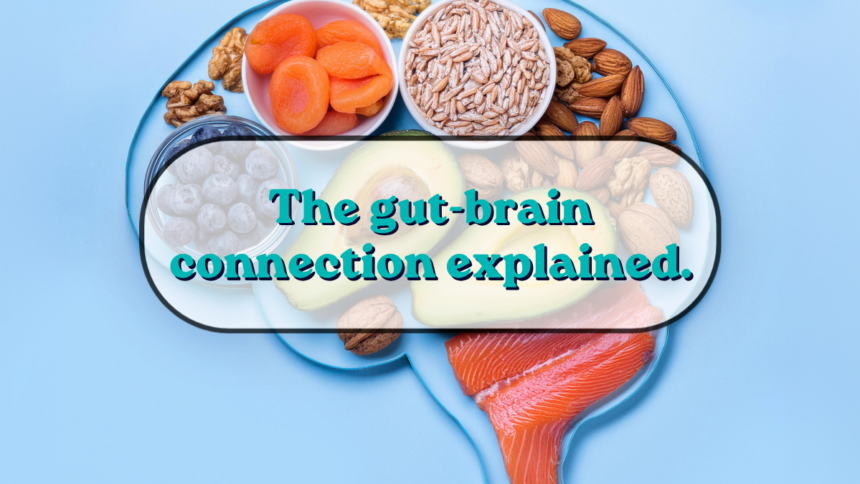
The Gut-brain connection explained
A groundbreaking, evidence-informed guide to the gut-brain connection explained what the latest neuroscience reveals about the microbiome’s role in depression, and the practical steps to heal the gut and transform mental health
He had been on antidepressants for six years. They had helped enough to function, enough to get through days that would otherwise have been impossible. But they had never fully lifted the grey. The flatness persisted. The motivation remained elusive. He slept too much on weekends and still woke exhausted. His psychiatrist was competent and caring, but the conversation always circled back to the same territory: medication adjustment, sleep hygiene, exercise recommendations that felt impossible to follow when simply getting dressed required effort.
Then he read a study. A study about mice.
Specifically, a study from McMaster University in which researchers transferred gut bacteria from anxious, depressive mice into calm, resilient mice and watched the calm mice become anxious and depressive. Then they did the reverse: bacteria from calm mice into anxious mice, and the anxious mice became measurably calmer. No change in brain chemistry through conventional neurological routes. Just bacteria. Just the gut.
He brought the study to his psychiatrist, who said something he had not expected: “This field is moving fast. There is something real here.”
Within a year of systematically working on his gut health under medical supervision, alongside his existing treatment his depression had lifted in a way that six years of medication alone had not achieved. His energy returned. The grey thinned. He still works with his psychiatrist. He also now works with his gut.
This is the gut-brain connection explained not as a metaphor, not as wellness speculation, but as one of the most significant discoveries in neuroscience of the past two decades.
The Gut-Brain Connection Explained: A Revolutionary Discovery
The gut-brain connection explained at its most fundamental level is this: your gut and your brain are in constant, bidirectional, chemically rich communication and the 100 trillion microorganisms living in your gut are active, influential participants in that conversation. They are not passive residents. They are neurochemical factories, immune regulators, and endocrine modulators that shape the function of a brain three feet away from them in ways that researchers are only now beginning to fully map.
The gut-brain connection explained in anatomical terms involves three primary communication pathways. The vagus nerve the longest cranial nerve in the body, running from the brainstem through the thorax and into the abdomen carries signals bidirectionally between the gut and brain, with approximately 80–90% of the signals traveling from gut to brain rather than the reverse. This means the gut is not just receiving instructions from the brain it is primarily informing the brain about the state of the body.
The enteric nervous system the 500 million neurons lining the gastrointestinal tract, sometimes called the second brain communicates with the central nervous system through this vagal highway and through the systemic circulation, releasing hormones and neurotransmitters that enter the bloodstream and reach the brain. And the immune system 70–80% of which is located in the gut-associated lymphoid tissue communicates with the brain through cytokines and immune mediators that cross the blood-brain barrier and modulate neuroinflammation, which is now understood to be a primary driver of depression in a significant proportion of patients.
The gut-brain connection explained through the microbiome adds a fourth layer: gut bacteria themselves produce, consume, and modulate virtually every neurotransmitter and neuroactive compound that the brain uses to regulate mood including serotonin, dopamine, GABA, glutamate, norepinephrine, and acetylcholine. They also produce short-chain fatty acids that regulate neuroinflammation, influence the integrity of the blood-brain barrier, and directly modulate the HPA axis stress response. The microbiome is not peripheral to brain function. It is integral to it.
The Gut-Brain Connection Explained Through Serotonin: The Numbers Are Shocking
The gut-brain connection explained through the serotonin system produces one of the most striking statistics in neuroscience: approximately 90–95% of the body’s serotonin is produced in the gut not the brain. It is synthesised by enterochromaffin cells in the intestinal epithelium under the direct influence of gut bacteria, particularly Lactobacillus and Bifidobacterium species.
This statistic is so counterintuitive given that virtually all antidepressant treatment is premised on raising brain serotonin levels that it is worth pausing on. When a person takes an SSRI (selective serotonin reuptake inhibitor), the drug acts primarily on serotonin reuptake at synapses throughout the nervous system, including the enteric nervous system. The gut’s serotonin production and the gut-brain serotonin axis are intimately involved in the therapeutic mechanism of the most widely prescribed class of antidepressants in the world.
This does not mean that brain serotonin is irrelevant it clearly matters. It means that the gut-brain connection explained through serotonin biochemistry reveals a system of far greater complexity and bidirectionality than the simple “low serotonin causes depression” model that has dominated popular and even clinical understanding for decades. It means that the gut environment the bacteria, the epithelial health, the enteroendocrine cell function is a primary upstream variable in the serotonin economy of the entire body, including the brain.
Research has confirmed this in multiple directions. Germ-free mice raised without any gut bacteria show dramatically reduced brain serotonin levels and increased anxiety and depressive behaviours. Restoring specific bacterial strains normalises both gut serotonin production and brain serotonin signalling. In human studies, dietary interventions that increase gut microbiome diversity are associated with improvements in mood that correlate with changes in serotonin metabolite levels the gut-brain connection explained through a measurable neurochemical output.
Neuroinflammation: The Gut-Brain Connection Explained Through Depression’s Inflammatory Pathway
The gut-brain connection explained through inflammation represents perhaps the most clinically significant development in depression research of the past decade. A substantial proportion of people with depression estimated at 30–50% in some research show elevated levels of pro-inflammatory cytokines including IL-6, TNF-α, IL-1β, and CRP, pointing to neuroinflammation as a primary or contributing mechanism in their depression rather than classical monoamine deficiency.
Where does this neuroinflammation come from? In many cases, the gut-brain connection explained through the gut barrier reveals the answer. Intestinal hyperpermeability the leaky gut discussed in the previous article in this series allows bacterial lipopolysaccharide (LPS) to translocate from the gut lumen into the systemic circulation. LPS is a potent immune activator the immune system responds to circulating LPS as it would respond to systemic bacterial infection, releasing pro-inflammatory cytokines throughout the body and brain.
Multiple studies have found significantly elevated serum LPS in depressed patients compared to healthy controls. A landmark study by Maes et al. found that circulating LPS levels correlated with depression severity, and that both LPS and depression scores improved together with gut-barrier-targeted interventions. This is the gut-brain connection explained through a direct causal pathway: gut barrier dysfunction → systemic LPS translocation → neuroinflammation → depression.
Pro-inflammatory cytokines in the brain produce a syndrome called sickness behaviour fatigue, social withdrawal, reduced motivation, anhedonia, cognitive slowing, sleep disruption that is symptomatically indistinguishable from clinical depression. This is not coincidence. Sickness behaviour evolved as an adaptive response to infection, and the same neuroinflammatory machinery that produces it is dysregulated in depression. The gut-brain connection explained through this inflammatory pathway suggests that for a significant proportion of depressed patients, treating the gut and reducing systemic inflammation may be as or more clinically effective than targeting monoamine systems with medication alone.
The Gut-Brain Connection Explained: What Damages the Microbiome-Mood Axis
Understanding the gut-brain connection explained in the context of depression requires identifying the factors that disrupt the microbiome-brain communication axis because these are the interventions targets.
Dietary patterns consistently emerge as the primary modifiable driver of microbiome composition and the gut-brain connection. The SMILES trial a landmark 2017 randomised controlled trial published in BMC Medicine that is possibly the most significant dietary intervention study in depression research found that a Mediterranean-style dietary intervention produced significantly greater reductions in depression scores than social support alone, with 32% of the dietary intervention group achieving remission compared to 8% in the control group. The dietary changes improved microbiome diversity, reduced inflammatory markers, and transformed depression outcomes the gut-brain connection explained through food.
Ultra-processed diets high in refined carbohydrates, industrial seed oils, artificial additives, and low in fibre consistently produce microbiome dysbiosis, increased gut permeability, elevated systemic inflammation, and in multiple prospective cohort studies, significantly increased risk of depression. A 2019 meta-analysis in Nutritional Neuroscience found that adherence to a Western dietary pattern was associated with 25–35% higher risk of depression in prospective studies the gut-brain connection explained through epidemiology.
Antibiotic use disrupts the microbiome in ways that directly affect mood. Studies in both animals and humans show post-antibiotic increases in anxiety and depressive behaviours that parallel the microbiome disruption. A 2018 Danish cohort study found that antibiotic use was associated with significantly increased rates of subsequent depression and anxiety diagnoses with risk increasing with multiple antibiotic courses the gut-brain connection explained through a medication effect that is rarely discussed in clinical settings.
Chronic psychological stress dysregulates the gut-brain connection from the top down as well as the bottom up elevated cortisol and CRH alter gut motility, increase intestinal permeability, shift microbiome composition toward dysbiosis, and reduce the mucosal immune defences that maintain microbial balance. The gut-brain connection explained through stress reveals a bidirectional deterioration: stress damages the gut, and the damaged gut produces neuroinflammatory signals that worsen the stress response and deepen depression.

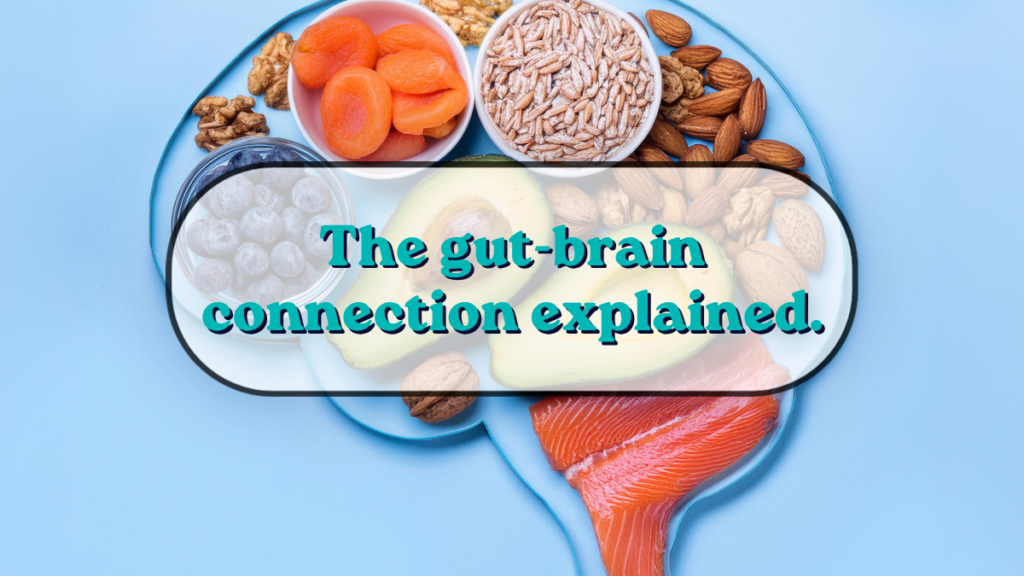
The Gut-Brain Connection Explained Through Psychobiotics: The New Frontier
The gut-brain connection explained through psychobiotics a term coined by Ted Dinan and John Cryan at University College Cork to describe bacteria and prebiotics that confer mental health benefits through the gut-brain axis represents one of the most exciting and rapidly developing areas of psychiatric research.
The evidence base for psychobiotics in depression is accumulating rapidly. A 2019 randomised controlled trial in Gastroenterology found that Bifidobacterium longum NCC3001 significantly reduced depression scores and increased happiness scores in IBS patients with comorbid depression with the antidepressant effect correlated with changes in fMRI measures of brain activity in emotion-regulating circuits. The gut-brain connection explained through a specific probiotic strain producing measurable neurological changes in a human brain scanner.
A 2021 meta-analysis in the Journal of Affective Disorders examining seven randomised controlled trials found that probiotic supplementation significantly reduced depression and anxiety scores compared to placebo, with effect sizes in the moderate range comparable to some antidepressant medications for mild to moderate depression. The gut-brain connection explained through clinical trial data showing that bacteria in a capsule can move a standardised depression scale.
Research on specific strains most relevant to the gut-brain connection in depression points toward Lactobacillus rhamnosus which in landmark animal research by John Cryan’s group was shown to reduce depressive and anxious behaviours and alter GABA receptor expression in the brain through vagal signalling; Bifidobacterium longum, which has demonstrated reductions in cortisol and psychological distress in human trials; Lactobacillus helveticus in combination with Bifidobacterium longum (the combination studied in a foundational 2011 RCT showing significant anxiety and depression reductions in healthy volunteers); and Lactobacillus acidophilus and various Bifidobacterium species whose presence correlates with lower rates of depression in large population studies.
Practical Protocol: How to Fix Your Microbiome for Mental Health
The gut-brain connection explained in practical terms means that specific, actionable dietary and lifestyle interventions can meaningfully improve microbiome composition and brain function simultaneously.
The Antidepressant Diet: Building the Gut-Brain Connection From the Plate
The dietary pattern most strongly supported for the gut-brain connection and depression is the Mediterranean-style whole food pattern, for reasons that are now mechanistically clear: it maximises plant diversity and therefore microbiome diversity, provides the omega-3 fatty acids that reduce neuroinflammation, delivers the prebiotic fibre that feeds beneficial bacteria, and eliminates the ultra-processed foods and industrial additives that drive dysbiosis and gut barrier disruption.
In the context of the Indian diet, a gut-brain connection optimising approach centres on: maximising dal and legume variety (rajma, chana, masoor, toor, mung each feeding different microbial communities); including fermented foods daily (dahi, chaas, idli, dosa, kanji all rich in live cultures and fermentation metabolites); eating a wide variety of seasonal vegetables including prebiotic-rich onions, garlic, and leafy greens; including oily fish two to three times weekly for DHA and EPA (mackerel, sardines, rohu); using turmeric, ginger, and black pepper generously for their anti-neuroinflammatory effects; and eliminating packaged snacks, refined flour products, and sugary drinks that drive dysbiosis.
Fermented Foods: The Most Direct Gut-Brain Connection Intervention
The gut-brain connection explained through fermented foods received its most compelling clinical demonstration in the 2021 Stanford Cell study showing that a high-fermented-food diet increased microbiome diversity and decreased inflammatory cytokines including the same cytokines elevated in depression more effectively than a high-fibre diet alone. This study is particularly important for the gut-brain connection because it demonstrates that the route to microbiome diversity improvement in the shortest timeframe runs through fermented foods.
Daily incorporation of traditional Indian fermented foods homemade dahi (the live cultures in commercially pasteurised yoghurt are substantially reduced), kanji (fermented carrot drink), the batter for idli and dosa (whose fermentation produces short-chain fatty acids and live lactobacillus cultures), and unsalted chaas provides a culturally resonant and pharmacologically coherent approach to the gut-brain connection through microbiome restoration.
Prebiotic Fibre: Feeding the Gut-Brain Connection
The gut-brain connection explained through prebiotics involves the selective fermentation of specific dietary fibres by beneficial bacteria, producing short-chain fatty acids particularly butyrate that exert direct effects on both gut barrier integrity and brain function. Butyrate crosses the blood-brain barrier, reduces neuroinflammation, promotes BDNF production in the hippocampus, and has demonstrated antidepressant effects in animal models.
Prebiotic-rich foods that support the gut-brain connection include Jerusalem artichokes, chicory root (the richest source of inulin, the most studied prebiotic fibre), garlic, onions, leeks, unripe bananas, oats, and asparagus. Including dedicated prebiotic-rich foods daily beyond general dietary fibre specifically feeds the bacterial species most associated with butyrate production and the gut-brain connection’s mental health benefits.
Targeted Supplementation for the Gut-Brain Connection
For individuals with depression, several supplements support the gut-brain connection beyond what diet alone can provide in the short term.
High-quality multi-strain probiotics containing the specific strains most evidenced for the gut-brain connection in depression Lactobacillus rhamnosus, Bifidobacterium longum, and Lactobacillus helveticus taken at doses of 10–50 billion CFU daily, provide direct microbial inoculation. Omega-3 supplementation at 1–2g combined EPA/DHA daily has an independent evidence base for depression reduction through anti-neuroinflammatory mechanisms, and represents one of the best-evidenced nutritional interventions for depression in its own right. Magnesium glycinate 300–400mg daily supports both gut motility and GABA synthesis the gut-brain connection through a mineral that most people are deficient in. And zinc, at 25–30mg daily, has demonstrated adjunctive antidepressant effects in multiple randomised trials, with the gut-brain connection likely mediated partly through zinc’s role in gut barrier integrity and microbiome composition.
Addressing the Gut-Brain Connection Through Stress Management and Vagal Toning
The gut-brain connection explained through the vagus nerve means that vagal toning practices slow breathing, yoga, cold exposure, humming, and Bhramari pranayama work bidirectionally on the gut-brain connection: they calm the brain’s threat response and simultaneously improve gut motility, reduce gut permeability, and create a gut environment more conducive to beneficial microbial colonisation. The gut-brain connection explained through the vagus nerve is a two-way street that practices like yoga and breathwork travel in both directions simultaneously.
The Gut-Brain Connection Explained: What This Means for Depression Treatment
The gut-brain connection explained in its clinical implications challenges the purely brain-focused model of depression that has dominated psychiatry since the introduction of SSRIs in the 1980s. It does not invalidate that model antidepressants genuinely help many people, and the monoamine systems they target are genuinely implicated in depression. But it expands the model in ways that have substantial clinical implications.
For patients who do not respond to antidepressants estimated at 30–50% who fail to achieve full remission with first-line medication the gut-brain connection explained through neuroinflammatory and microbiome mechanisms provides a plausible alternative pathway and additional treatment target. For patients who achieve partial response to medication but retain residual symptoms the persistent grey that full recovery never quite clears the gut-brain connection explained through adjunctive dietary and microbiome interventions may provide the additional therapeutic dimension that medication alone could not.
For patients seeking to manage depression without medication or to reduce their medication burden over time under medical supervision, the gut-brain connection explained through clinical trial evidence the SMILES trial’s 32% remission rate through diet alone, the psychobiotic trials’ effect sizes, the omega-3 meta-analyses provides a legitimate, evidence-based rationale for a comprehensive gut-first approach to mental health.
Important Clinical Context
The gut-brain connection explained as a clinical tool does not mean that depression should be treated through diet and probiotics alone, any more than Type 2 diabetes should be treated without monitoring blood glucose. Depression is a serious medical condition that causes immense suffering and carries real mortality risk. Clinical assessment, appropriate psychological and psychiatric care, and medication where indicated remain the cornerstones of safe depression management.
The gut-brain connection explained in this article is an additional, evidence-based layer of intervention one that emerging research suggests may be among the most important we have not a replacement for conventional care. Please seek professional mental health support if you are experiencing depression. The gut-brain connection interventions described here work best as complements to, and increasingly as components of, comprehensive mental health treatment.
The Honest Bottom Line
The gut-brain connection explained across the span of this article is not a fringe theory or a wellness trend. It is a paradigm shift from a brain-centric model of mental health to a whole-body, microbiome-integrated understanding that is already changing psychiatric research and beginning to change clinical practice.
The gut-brain connection explained through serotonin biochemistry, neuroinflammation, vagal signalling, psychobiotics, and the epidemiology of diet and depression converges on a single actionable conclusion: what you put in your gut affects the chemistry of your brain in ways that are now measurable, mechanistically understood, and clinically exploitable.
The man who read the mouse study changed his gut health. His depression changed with it. The gut-brain connection explained that and the science is now explaining it to the rest of us.
Did the gut-brain connection explained in this article shift something in how you think about depression and mental health? Share it with someone who has been struggling with depression that conventional treatment has not fully resolved you may be passing along information that genuinely changes their path. Leave a comment with your own experience of the gut-brain connection, or subscribe to our newsletter for more deeply researched, paradigm-expanding health content.