









Embracing the Mediterranean Diet: A Powerful Tool for Reducing Stroke Risk in Women
Estimated reading time: 5 minutes
- Adopting the Mediterranean diet can significantly reduce stroke risk in women.
- Key components include fruits, vegetables, whole grains, and healthy fats.
- Mindful eating and physical activity complement the dietary approach.
What is the Mediterranean Diet?
The Mediterranean diet is inspired by the traditional eating habits of countries bordering the Mediterranean Sea, such as Italy, Greece, and Spain. It emphasizes the consumption of fresh, whole foods and includes the following key components:
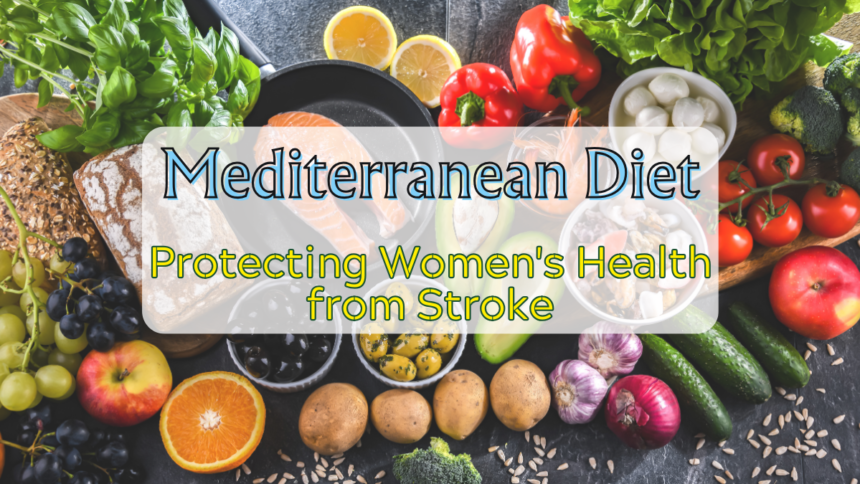
- Fruits and Vegetables: A wide variety of colorful fruits and vegetables are central to this diet, providing essential vitamins, minerals, antioxidants, and dietary fiber.
- Whole Grains: Foods such as whole grain bread, pasta, rice, and bulgur are preferred, which are rich in complex carbohydrates and fiber.
- Healthy Fats: Olive oil is the primary source of fat in the Mediterranean diet, focusing on incorporating nuts, seeds, and avocados, while minimizing saturated fats found in animal products.
- Lean Protein: The diet includes moderate consumption of fish and poultry while limiting red meats and processed meats.
- Dairy: Low-fat dairy products, mainly yogurt and cheese, are consumed in moderation.
- Herbs and Spices: Flavoring foods with herbs and spices instead of salt enhances taste without compromising health.
- Physical Activity and Social Connections: The diet is complemented by an active lifestyle and strong social bonds, further promoting well-being.
The Latest Insights on Stroke Risk Reduction
Connection to Lower Stroke Risk in Women
Recent findings underscore that adherence to the Mediterranean diet is notably associated with a reduced risk of stroke, especially among women. According to the study referenced in CNN, the diet’s anti-inflammatory properties, heart-healthy fats, and diverse nutrient profile contribute significantly to improved cardiovascular health. This protective effect against stroke underscores the importance of dietary patterns, especially among demographic groups traditionally at higher risk.
Why Is This Particularly Significant for Women?
Stroke is known to exhibit gender disparities, with women typically facing a higher risk than men, especially as they age. This heightened vulnerability may be attributed to factors such as hormonal changes during menopause, which can lead to an increased incidence of hypertension and other cardiovascular concerns. Thus, adopting heart-healthy dietary practices like the Mediterranean diet becomes not merely beneficial but essential for women seeking to mitigate their stroke risk.
Mechanisms Behind the Mediterranean Diet’s Protective Effects
The Mediterranean diet offers several biological mechanisms that may account for its protective effects against stroke. Here’s a closer look at how it works:
- Anti-inflammatory Effects: Chronic inflammation is a known contributor to cardiovascular diseases, including stroke. The abundant antioxidants found in fruits, vegetables, olive oil, and nuts help combat inflammation, potentially reducing the risk of stroke.
- Improved Lipid Profiles: The healthy fats in this diet, particularly monounsaturated fats from olive oil and omega-3 fatty acids from fish, have been shown to improve cholesterol levels and decrease triglycerides, which are essential factors in cardiovascular health.
- Regulation of Blood Pressure: High blood pressure is one of the primary risk factors for stroke. Diets rich in potassium (from fruits and vegetables) and magnesium (from whole grains and nuts) found in the Mediterranean model have been linked to better blood pressure control.
- Weight Management: Maintaining a healthy weight is crucial for reducing stroke risk. The Mediterranean diet is effective in promoting weight loss and maintaining a healthy body composition, primarily due to its emphasis on nutrient-dense foods that keep you satisfied.
- Stabilizing Blood Sugar Levels: The low glycemic index of many foods in the Mediterranean diet can help stabilize blood sugar levels, reducing the risk of diabetes and its associated vascular complications.
Practical Takeaways to Embrace the Mediterranean Diet
Here’s how you can begin to integrate Mediterranean dietary principles into your life:
1. Start with Small Changes
Transitioning to a new eating style doesn’t require drastic changes overnight. Start by incorporating more fruits and vegetables into your daily meals. Aim for at least half your plate to be filled with colors from nature.
2. Opt for Whole Grains
Instead of refined grains, choose whole grains such as quinoa, farro, and brown rice. Whole grains are not only more nutritious but also provide sustained energy.
3. Use Olive Oil as Your Primary Fat
Replace butter and other saturated fats with extra virgin olive oil. Use it for cooking, salad dressings, and drizzling over vegetables to enhance both flavor and health benefits.
4. Increase Fish Consumption
Aim to eat fish at least twice a week, focusing on fatty fish like salmon, sardines, or mackerel, which are rich in omega-3 fatty acids. Explore plant-based sources of protein, like legumes, nuts, and seeds, on the other days.
5. Dine Mindfully
Practice mindful eating by savoring each bite and enjoying meals with family and friends. Create an inviting atmosphere at mealtime that encourages slow, leisurely dining.
6. Spice It Up with Herbs
Experiment with a variety of herbs and spices, such as basil, parsley, oregano, and garlic, to flavor your dishes without relying on excess salt.
7. Stay Active
Incorporate physical activity into your daily routine, whether it’s walking, dancing, or participating in group sports. Regular exercise complements your diet and contributes to overall heart health.
8. Focus on Community
Share meals with loved ones whenever possible. Building social connections is a vital aspect of the Mediterranean lifestyle.
Conclusion
The compelling association between the Mediterranean diet and a lower risk of stroke in women brings to the forefront the power of nutrition in promoting women’s health. As we navigate the complexities of dietary choices, embracing a Mediterranean lifestyle offers not only delightful culinary experiences but also essential protective benefits for long-term health.
The roots of this diet run deep in culture and tradition, reminding us that eating well is not merely about nourishment—it’s about fostering connections, celebrating flavors, and prioritizing wellness. By adopting the principles of the Mediterranean diet, readers can take proactive steps toward reducing their stroke risk and enhancing their overall health.
Incorporate these delicious and nutritious foods into your daily routine, and enjoy the remarkable benefits that this age-old dietary approach has to offer. Your body will thank you, and your heart will beat stronger for the choices you make today.
FAQ
What are the main health benefits of the Mediterranean diet?
The Mediterranean diet is associated with reduced risks of heart disease, stroke, and chronic illnesses, mainly due to its emphasis on whole foods and healthy fats.
Can I still enjoy my favorite foods while following the Mediterranean diet?
Yes! The Mediterranean diet encourages flexibility, allowing you to enjoy your favorite foods in moderation alongside the core principles of healthy eating.
How can I make the Mediterranean diet more accessible on a budget?
Focus on seasonal fruits and vegetables, buy in bulk for grains and legumes, and prioritize local sources of fish or plant-based protein to keep costs lower.