





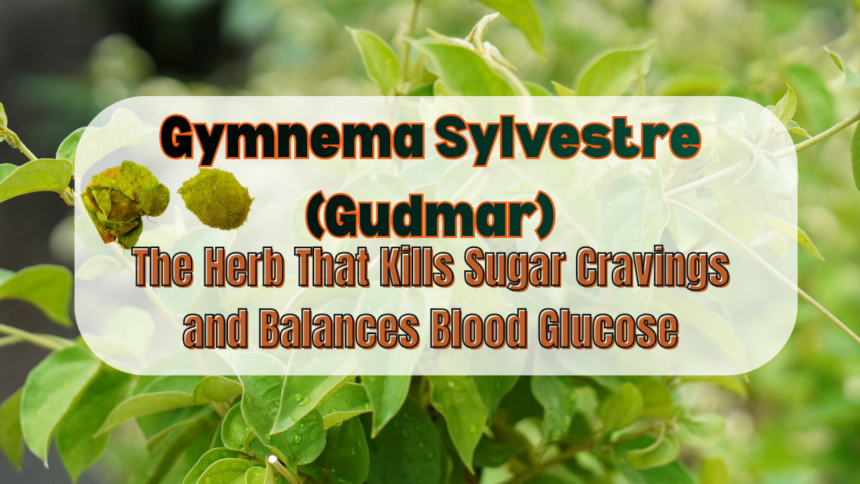
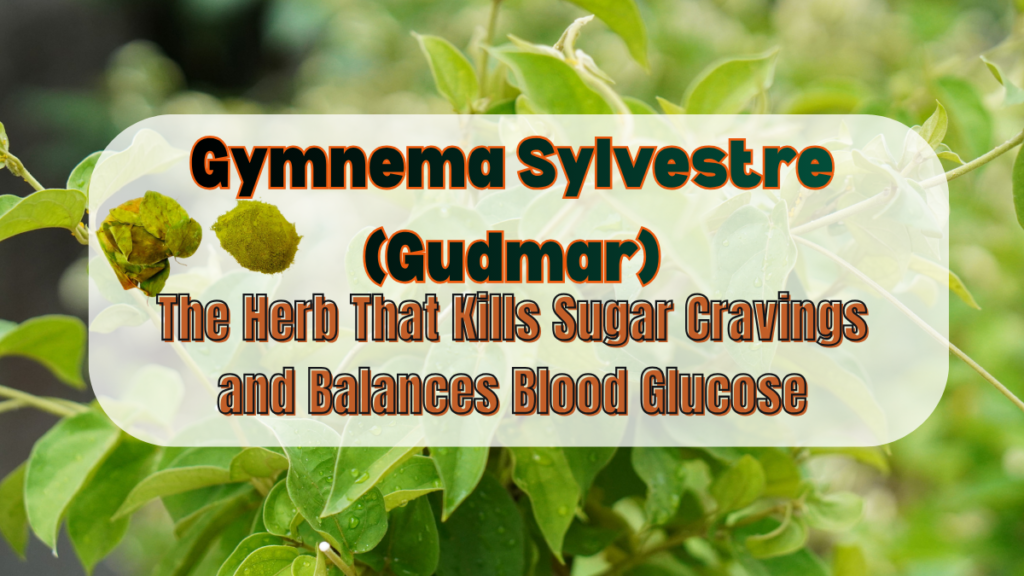
Gymnema Sylvestre (Gudmar)
A comprehensive, evidence-grounded guide to Gymnema Sylvestre (Gudmar) the specific mechanisms behind its remarkable sugar-blocking activity, what the clinical research actually shows for blood sugar management, and how to use it effectively alongside conventional diabetes care
Try this experiment the next time you encounter a Gudmar plant or when you receive the leaves from a practitioner who works with this herb. Take a fresh leaf and chew it thoroughly for thirty to sixty seconds. Then immediately taste something sweet. A piece of jaggery. A spoonful of honey. A bite of chocolate.
Nothing. Sweetness has vanished. The food is still in your mouth, still has texture and temperature and whatever complexity it carries but the sweet dimension of its flavour has been completely, inexplicably abolished. You are tasting without tasting. You know intellectually that chocolate is sweet, but you cannot access that perception. The experience is so immediate, so total, and so unmistakable that it tends to produce a distinctive reaction in people encountering it for the first time: a moment of genuine cognitive dissonance, followed by the dawning recognition that something pharmacologically remarkable just happened in your mouth.
This is Gymnema Sylvestre (Gudmar). And that demonstration startling as it is is not a party trick or a botanical curiosity. It is a direct, first-person demonstration of the herb’s mechanism of action, one of the most clinically relevant mechanisms of any anti-diabetic plant in traditional or conventional medicine. The sweet taste perception that just vanished did so because gymnemic acids the primary bioactive compounds in Gymnema Sylvestre (Gudmar) are binding to the same receptors in your tongue’s taste cells that would normally bind glucose molecules. And they are doing the same thing, at the same molecular sites, in the absorptive cells of your intestinal mucosa physically blocking glucose from being taken up into your bloodstream after a meal.
Understanding that mechanism is the beginning of understanding what makes Gymnema Sylvestre (Gudmar) genuinely pharmacologically interesting.
What Is Gymnema Sylvestre (Gudmar)? Botanical and Traditional Context
Gymnema Sylvestre (Gudmar) a woody climbing shrub of the Apocynaceae family, native to the tropical forests of Central and South India, Sri Lanka, Africa, and Australia grows to considerable size in its natural habitat, with elliptic leaves, small yellow flowers, and the characteristic twining growth pattern shared by many tropical climbing plants. It is the leaves that carry the primary medicinal activity, harvested from mature plants and prepared as decoctions, powders, or standardised extracts.
The name Gudmar in Hindi and Sanskrit-derived Indian languages translates with admirable directness as “destroyer of sugar” Gur (jaggery, sweet) and Mar (to kill) a traditional name assigned to the plant based on precisely the taste-abolishing observation described in this article’s opening paragraphs, applied empirically and consistently by traditional practitioners for over two thousand years before the gymnemic acids responsible for this effect were isolated and characterised. The botanical name Sylvestre simply means “of the forest” in Latin.
In Ayurvedic classification, Gymnema Sylvestre (Gudmar) is described as having primarily Tikta (bitter) Rasa, Katu Vipaka (pungent post-digestive effect), and Ushna Virya (heating potency), with specific indication for Madhumeha (the Ayurvedic description of diabetes, discussed in detail in the diabetes management through Ayurveda article in this series) and conditions involving Kapha-Pitta excess with sweet taste craving, excessive urine, and metabolic sluggishness a classical description that maps closely onto the clinical presentation of Type 2 diabetes and insulin resistance.
The Gymnemic Acid Mechanism: Why This Is Pharmacologically Remarkable
The gymnemic acids a group of triterpenoid saponins whose structural motif includes a central oleanane backbone glycosylated with various sugar residues are responsible for both the taste-blocking and the intestinal glucose-blocking activity of Gymnema Sylvestre (Gudmar), through a mechanism whose elegance lies in its molecular-level specificity.
Glucose receptors both the sweet taste receptors (T1R2/T1R3 heterodimers) in taste cells and the glucose transport proteins (SGLT1 sodium-glucose cotransporter 1) in intestinal epithelial cells interact with glucose molecules through specific binding sites that recognise the hydroxyl group pattern of the glucose molecule. Gymnemic acids, whose spatial arrangement of hydroxyl groups closely mimics glucose’s molecular geometry, compete for these same binding sites. At taste receptors, this competitive binding abolishes sweet perception gymnemic acids occupy the receptor without activating it, preventing glucose molecules from binding and triggering the sweet taste signal. At intestinal absorption sites, the same competition reduces the rate of active glucose uptake across the intestinal wall into the portal circulation.
This mechanism has several clinically significant implications that distinguish Gymnema Sylvestre (Gudmar) from most other blood sugar herbs. First, it operates through a physically direct, receptor-level competition rather than through enzymatic or hormonal pathways, making it mechanistically distinct from and complementary to metformin (which primarily reduces hepatic glucose output), sulfonylureas (which stimulate insulin secretion), and the other major pharmacological classes used in diabetes management. Second, it specifically targets the glucose absorption step that occurs after every meal, making it particularly relevant for managing post-meal glucose spikes the glycaemic excursions that increasingly research identifies as particularly important for long-term cardiovascular and metabolic risk, distinct from fasting glucose management. Third, the immediate taste-receptor demonstration provides anyone who uses Gymnema Sylvestre (Gudmar) with real-time, tangible evidence that the herb is active an unusual and arguably motivationally valuable property in a context where most metabolic interventions produce effects that are only visible through laboratory testing weeks later.
Beyond Glucose Blocking: The Full Pharmacological Profile
While the gymnemic acid glucose-receptor competition mechanism is the most distinctive and most immediately demonstrable pharmacological activity of Gymnema Sylvestre (Gudmar), the herb’s full anti-diabetic profile extends considerably beyond this single mechanism.
Pancreatic beta cell regeneration and protection represents perhaps the most clinically significant additional mechanism and the one with the most potentially disease-modifying rather than purely symptomatic implications. Multiple studies, initially in animal models and subsequently in cell culture systems using human pancreatic tissue, have documented that gymnemic acid preparations promote regeneration of insulin-secreting beta cells in the islets of Langerhans, and protect existing beta cells from the oxidative stress and inflammatory damage that drives progressive beta cell decline in both Type 1 and Type 2 diabetes. This mechanism is genuinely unusual the capacity to support beta cell renewal is not a property shared by most conventional anti-diabetic medications, which manage blood glucose by working around declining beta cell function rather than addressing its underlying cause.
Insulin secretagogue activity direct stimulation of insulin release from surviving pancreatic beta cells has been documented in multiple experimental systems for Gymnema Sylvestre (Gudmar) fractions, complementing the glucose absorption-blocking mechanism with enhanced insulin availability to manage the glucose that does enter circulation.
Adiponectin-modulating effects have been documented in research examining Gymnema Sylvestre (Gudmar)’s effects on adipose tissue signalling with improvements in adiponectin (the anti-inflammatory, insulin-sensitising adipokine whose decline in obesity and Type 2 diabetes contributes to metabolic dysfunction) representing a third, distinct mechanism contributing to the herb’s overall glucose-lowering and insulin-sensitising clinical effects.
Lipid-lowering effects, attributed primarily to inhibition of cholesterol absorption through a mechanism analogous to glucose absorption blocking, have been documented in both animal and human studies directly relevant to the cardiovascular risk reduction goals that constitute a primary clinical objective in diabetes management alongside glycaemic control.
Clinical Trial Evidence: What the Human Research Actually Shows
The clinical evidence for Gymnema Sylvestre (Gudmar) in human subjects while not yet including the large-scale, multi-centre Phase III trials that would satisfy the most rigorous pharmaceutical regulatory standards is substantially more convincing than for most traditional anti-diabetic herbs, with several well-designed studies producing effect sizes that are clinically meaningful and mechanistically coherent with the pharmacology described above.
The landmark clinical study by Baskaran et al., published in the Journal of Ethnopharmacology, examined Gymnema Sylvestre (Gudmar) extract (GS4, 400mg daily) in 22 Type 2 diabetes patients continuing their conventional oral hypoglycaemic medication over 18–20 months. The results were striking: significant reductions in fasting blood glucose (from a group mean of approximately 174mg/dL to 124mg/dL), significant reductions in HbA1c (from 11.9% to 8.48% a 3.4% absolute reduction that would be considered remarkable for any pharmaceutical intervention), and significant improvements in serum insulin levels, with 5 of the 22 patients able to discontinue their conventional medication entirely while maintaining glycaemic control. These are not modest improvements they represent clinically meaningful, sustained glycaemic management changes over a nearly two-year period.
A companion study by the same research group examined Gymnema Sylvestre (Gudmar) in insulin-dependent (Type 1) diabetes patients, finding that supplementation allowed significant reductions in required insulin doses, improvements in fasting glucose and HbA1c, and improvements in serum insulin levels and C-peptide (a marker of endogenous insulin production) consistent with the pancreatic beta cell regeneration mechanism discussed above and suggesting genuine disease-modifying activity rather than purely symptomatic glucose management.
More recent clinical investigations have expanded this evidence base. A 2001 study by Shanmugasundaram et al. documented significant improvements in fasting blood glucose, post-meal glucose, and lipid profiles with Gymnema Sylvestre (Gudmar) supplementation in Type 2 diabetes patients. A 2019 randomised controlled trial examined Gymnema Sylvestre (Gudmar) extract in pre-diabetic subjects with impaired fasting glucose, finding significant improvements in fasting glucose and insulin sensitivity measures compared to placebo directly relevant to the prevention application discussed in the earlier diabetes and blood sugar articles in this series.
A systematic review examining multiple Gymnema Sylvestre (Gudmar) clinical trials, while noting the methodological heterogeneity characteristic of early herbal medicine research, concluded that the available evidence “strongly supports” the anti-diabetic utility of Gymnema Sylvestre (Gudmar) as an adjunct to conventional treatment, with particular strength in the fasting glucose and HbA1c outcome domains.
The Sweet Craving Reduction Application: Behavioural and Metabolic
The taste-blocking mechanism of Gymnema Sylvestre (Gudmar) creates a behavioural dimension to its anti-diabetic and metabolic health applications that is entirely absent from pharmaceutical glucose-lowering agents and that deserves specific attention as a distinct therapeutic mechanism.
When the perception of sweetness is temporarily abolished as occurs for approximately 30–60 minutes following direct oral exposure to gymnemic acids, whether by chewing a leaf or by some formulations designed specifically for this acute effect sweet foods simultaneously become both physiologically less absorbed (through the intestinal glucose receptor blocking mechanism) and experientially less rewarding (through the taste receptor blocking mechanism). The second effect reduced hedonic reward from sweet consumption addresses the behavioural driver of sugar overconsumption that maintains the high-glycaemic dietary patterns driving insulin resistance, independently of any direct glucose-lowering pharmacological mechanism.
Research on sweet taste perception and eating behaviour has consistently documented that palatability the perceived pleasurableness of food is a powerful independent predictor of caloric intake beyond hunger and satiety signalling. Gymnema Sylvestre (Gudmar)’s capacity to temporarily reduce the palatability of sweet foods at the moment of consumption therefore operates as a behavioural intervention against sweet overconsumption through the same mechanism as its physiological glucose-absorption blocking activity creating a remarkable single-herb intervention that addresses both the biological and behavioural dimensions of the sugar-insulin resistance cycle simultaneously.
Gymnema Sylvestre (Gudmar) for Sugar Addiction and Carbohydrate Dependence
The preceding discussion of behavioural mechanisms leads naturally to the application of Gymnema Sylvestre (Gudmar) in individuals who describe themselves as struggling with “sugar addiction” or intense, difficult-to-resist carbohydrate cravings a population substantially larger than those with diagnosed diabetes, and one for whom Gymnema Sylvestre (Gudmar)’s mechanisms are directly relevant even in the absence of blood glucose dysregulation.
The research on taste perception and hedonic eating has established that repeated exposure to intensely sweet flavours whether from sugar, artificial sweeteners, or ultra-processed foods engineered for hyper-palatability progressively recalibrates the taste system’s baseline expectations upward, requiring greater sweetness for equivalent satisfaction and making moderately sweet whole foods (fresh fruit, naturally sweet vegetables) seem comparatively unsatisfying. This recalibration drives the progressive increase in sugar intake that characterises many people’s dietary relationship with sweet food over time.
Gymnema Sylvestre (Gudmar) by temporarily reducing sweet taste perception during and after consumption of sweet foods may contribute to the gradual recalibration of sweet preference back toward a lower hedonic baseline, reducing the experiential contrast between sweet foods and whole foods, and supporting the dietary pattern changes that most effectively address both insulin resistance and the metabolic consequences of chronic high-sugar intake.
Practical Use: Forms, Dosing, and Integration
Gymnema Sylvestre (Gudmar) is available in multiple forms with distinct applications and dosing requirements.
Standardised leaf extract capsules the form used in most clinical research, typically standardised to 25% gymnemic acids represent the most evidence-aligned supplemental form for blood glucose management applications. Clinical trials have predominantly used doses of 400–800mg daily in divided doses (most commonly 200–400mg taken before meals), with the pre-meal timing specifically supporting the glucose absorption-blocking mechanism during the subsequent meal’s digestion.
Fresh leaf, dried leaf tea, and aqueous decoctions the traditional Ayurvedic preparations provide gymnemic acid exposure at lower, less precisely standardised doses, more appropriate for general metabolic health maintenance, sweet craving reduction, and adjunctive use than for the therapeutic blood glucose management applications studied in the clinical trials above.
Chewing leaves directly as described in this article’s opening provides the most immediate and dramatic demonstration of gymnemic acid activity and is specifically relevant for acute sweet craving management and pre-meal consumption to reduce post-meal glucose spikes, though the intensity of the taste-blocking effect makes this approach challenging for regular use in many people.
Important integration guidance: as discussed in the diabetes management articles in this series, Gymnema Sylvestre (Gudmar)’s meaningful glucose-lowering activity creates a real risk of additive hypoglycaemia when combined with pharmaceutical diabetes medications, particularly sulfonylureas and insulin. Anyone using Gymnema Sylvestre (Gudmar) alongside diabetes medication should increase blood glucose monitoring frequency, watch for hypoglycaemia symptoms, and maintain active communication with their prescribing physician, who may need to adjust medication doses as the herb’s effects accumulate over weeks and months.
Safety Profile
Gymnema Sylvestre (Gudmar)’s safety profile across traditional use and clinical trial monitoring is generally favourable, with the most clinically significant safety consideration being the glucose-lowering interaction with diabetes medication discussed above. Mild and infrequent gastrointestinal side effects (nausea, stomach discomfort) are occasionally reported at higher doses. Its use is not established as safe in pregnancy, and caution is warranted in individuals scheduled for surgery given the potential for blood glucose instability in the perioperative period.
The Honest Bottom Line
Gymnema Sylvestre (Gudmar) occupies an extraordinary position in the landscape of anti-diabetic interventions, natural or pharmaceutical: a single herb whose primary mechanism can be demonstrated in thirty seconds by chewing a leaf, whose clinical evidence includes documented HbA1c reductions of over 3% sustained over nearly two years, and whose pharmacological profile addresses glucose absorption, insulin secretion, beta cell protection, lipid metabolism, and sweet craving reduction through mechanisms that are simultaneously distinct from and complementary to virtually every existing class of pharmaceutical diabetes treatment.
The experiment described in this article’s opening is still available to anyone reading these words. Find a Gudmar leaf. Chew it. Then taste something sweet. What you experience in that moment the complete, startling absence of sweetness is not a magic trick. It is pharmacology. And it is precisely the same pharmacology that has been helping people manage blood sugar in India for over two thousand years.
Did this deep-dive into Gymnema Sylvestre (Gudmar) give you a new appreciation for what traditional medicine identified empirically before pharmacology explained it molecularly? Share it with someone managing diabetes or struggling with sugar cravings who deserves to know about every evidence-based tool available. Leave a comment with your own experience including, if you have tried it, the remarkable moment of chewing a leaf or subscribe to our newsletter for more rigorously researched content bridging traditional Ayurvedic wisdom and modern pharmacological science.