


Ashwagandha for Anxiety
We live in an era where “hustle culture” isn’t just a buzzword; it’s a physiological state. Between managing complex digital workflows, hitting SEO targets, and maintaining a personal life, our brains are often stuck in a high-octane “fight or flight” mode. You know the feeling: the restless mind at 2:00 AM, the sudden spike in heart rate during a routine meeting, or that general sense of being “wired but tired.”
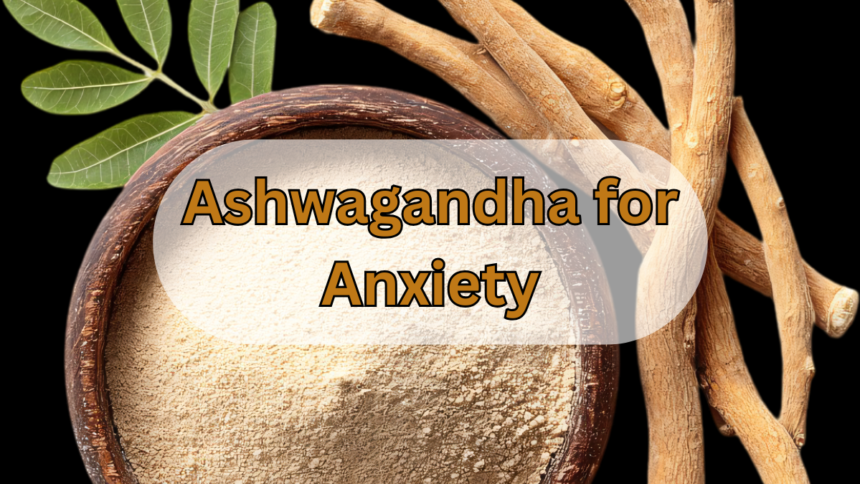
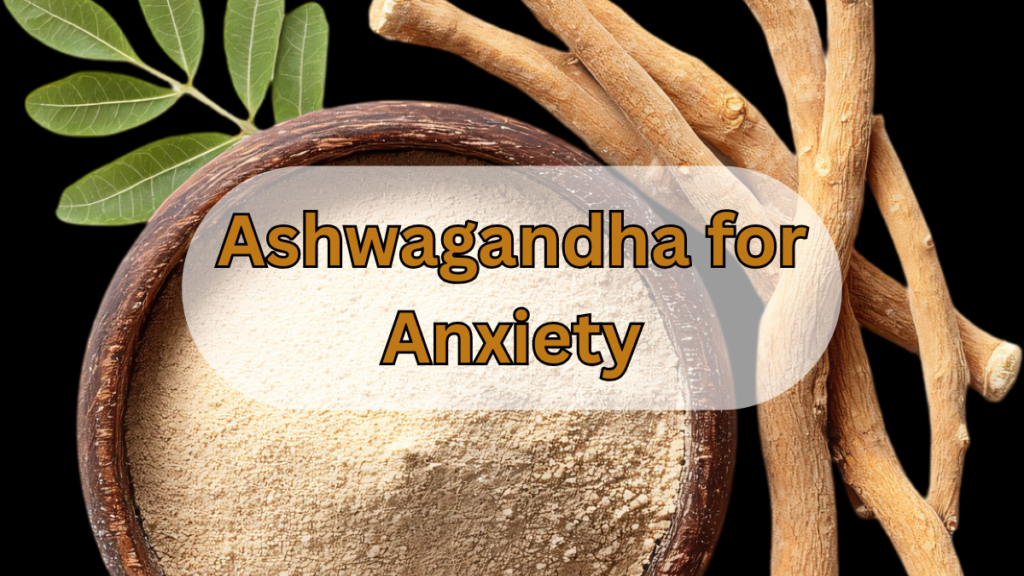
While many turn to the latest biohacking gadgets or heavy-duty prescriptions, one of the most effective tools for reclaiming your calm is actually a root that has been used for over 3,000 years. Ashwagandha for Anxiety(Withania somnifera) is the crown jewel of Ayurvedic medicine, often called the “smell of a horse”—not because of its scent, but because it was traditionally believed to give the user the strength and vitality of a stallion.
If you’re looking to lower your baseline stress without the “fog” associated with some medications, understanding how to use this adaptogen is vital. This guide explores the science of the “winter cherry” and provides essential Tips to Ashwagandha for Anxiety to help you navigate your journey to a quieter mind.
What is an Adaptogen, Anyway?
To understand Ashwagandha, you have to understand the term adaptogen. In the world of herbal medicine Ashwagandha for Anxiety, an adaptogen is a rare class of plants that help your body “adapt” to stress. Instead of pushing you in one direction (like a stimulant or a sedative), they work like a thermostat.
If your cortisol levels are too high (stress), Ashwagandha helps bring them down. If you’re feeling depleted and fatigued, it helps bolster your energy. It’s about returning the body to homeostasis.
The Science: How Ashwagandha Targets Anxiety
It’s easy to dismiss ancient remedies as “folk medicine,” but modern clinical research is finally catching up to what the ancients knew. Ashwagandha works on several fronts:
1. The Cortisol Crusher
Cortisol is your body’s primary stress hormone. While it’s useful for running away from a saber-toothed tiger, it’s destructive when it’s chronically elevated due to work stress. Studies have shown that high-concentration Ashwagandha extracts can reduce serum cortisol levels by up to 30%.
2. Modulating the HPA Axis
The Hypothalamic-Pituitary-Adrenal (HPA) axis is your body’s central stress response system. Ashwagandha helps regulate this axis, ensuring that your “alarm system” doesn’t go off when there isn’t a real emergency.
3. GABAergic Activity
There is evidence that Ashwagandha mimics the effects of GABA (gamma-aminobutyric acid), a neurotransmitter that tells your brain to “slow down.” This is why many people report a sense of immediate calm and improved sleep quality when using it.

Essential Tips to “Ashwagandha for Anxiety”
Not all Ashwagandha is created equal. If you walk into a health food store and grab the first bottle you see, you might be disappointed. Here are the professional Tips to Ashwagandha for Anxiety to ensure you’re getting the real deal.
1. Look for Standardized Extracts (KSM-66 or Shoden)
The active compounds in Ashwagandha are called withanolides. You want a product that is standardized to a high percentage of these.
- KSM-66: This is the most clinically studied extract, usually standardized to 5% withanolides. It’s excellent for general anxiety and recovery.
- Shoden: A newer, high-potency extract standardized to 35% withanolides. A much smaller dose is required for the same effect.
2. Timing Your Dose
- For Daytime Calm: Take it in the morning to help manage the “cortisol spike” that often happens right after waking up.
- For Better Sleep: Take it about 60–90 minutes before bed. Because it helps quiet the “racing thoughts,” it can be a game-changer for insomnia.
3. Consider the “Cycle”
While Ashwagandha is generally safe for long-term use, many practitioners recommend a “cycle” (e.g., 5 days on, 2 days off, or 3 months on, 1 month off). This prevents your body from becoming too accustomed to the herb and maintains its effectiveness.
4. Quality and Purity
Because the supplement industry is loosely regulated, heavy metal contamination can be an issue. Always choose brands that offer Third-Party Testing (like NSF or USP) to ensure you aren’t accidentally ingesting lead or mercury along with your stress relief.
Potential Side Effects and Who Should Avoid It
While it is a natural root, it is also a powerful medicine. It is not for everyone.
- Digestive Sensitivity: Some people report mild stomach upset or “loose stools,” particularly if they have recently undergone digestive procedures or have a sensitive gallbladder. Taking it with food usually solves this.
- The Liver Connection: There have been rare reports of liver sensitivity with extremely high doses. If you are focused on liver health or “detoxing,” always stick to the recommended dosage.
- Autoimmune Conditions: Because Ashwagandha can stimulate the immune system, people with conditions like Lupus or Rheumatoid Arthritis should consult a doctor first.
- Thyroid Interaction: Ashwagandha can increase thyroid hormone levels. This is great for those with hypothyroidism, but potentially dangerous for those with hyperthyroidism.
The Holistic Loop: Combining Ashwagandha with Lifestyle
Ashwagandha is a tool, not a “cure.” It works best when combined with a lifestyle that supports recovery. If you’re managing physical stressors—like chronic back pain from a herniated disc—the mental relief provided by Ashwagandha can actually help your muscles relax, creating a positive feedback loop for healing.
Try pairing your supplement with:
- Deep Breathing: 5 minutes of box breathing can “prime” the nervous system for the Ashwagandha to work more effectively.
- Consistent Routine: Anxiety hates a schedule. Eating and sleeping at the same time each day provides the stability your brain craves.
Finding Your Balance
Navigating the world of herbal supplements can feel overwhelming, but Ashwagandha stands out because of its robust clinical backing and its “gentle but firm” approach to stress. By following these Tips to Ashwagandha for Anxiety, you can move from a state of constant “reactivity” to a state of calm, focused action.
You don’t have to white-knuckle your way through stress. Sometimes, the best way to get ahead is to give your body the permission—and the chemical support—it needs to slow down.
Take the Next Step
- Subscribe to our newsletter for more evidence-based guides on natural recovery and digital wellness.
- Leave a comment: Have you tried Ashwagandha? Did you notice a difference in your sleep or focus?
- Share this post with a fellow “over-thinker” who could use a little more calm in their life.