









By using this site, you agree to the Privacy Policy and Terms of Use.
Accept
Dr.milind.com | A Complete Health BlogDr.milind.com | A Complete Health Blog
  • Dr.Milind
  • Diseases
    • Cancer
    • Mental Health
  • Organs
  • Herbs
  • Home Remedies
  • Health News
Reading: The Science of Hugs: How Physical Touch Reduces Stress & Anxiety
Share
Notification Show More
Latest News
5 Proven Ways to Strengthen Your Immune System Naturally
Uncategorized
Morning Habits That Boost Metabolism
Top 8 Morning Habits That Boost Metabolism Naturally
Health News Home Remedies
Why Blood Sugar Spikes Matter Even If You’re Not Diabetic: The Hidden Metabolic Risk
Health News
The Role of Protein in Healthy Aging and Muscle Preservation: What Science Says
Home Remedies
How Chronic Stress Weakens Your Immune System: The Science of Stress and Immunity
Diseases
Aa
Dr.milind.com | A Complete Health BlogDr.milind.com | A Complete Health Blog
Aa
  • Dr.Milind
  • Diseases
  • Organs
  • Herbs
  • Home Remedies
  • Health News
Search
  • Dr.Milind
  • Diseases
    • Cancer
    • Mental Health
  • Organs
  • Herbs
  • Home Remedies
  • Health News
Have an existing account? Sign In
Follow US
© 2022 Foxiz News Network. Ruby Design Company. All Rights Reserved.
Dr.milind.com | A Complete Health Blog > Blog > Health News > The Science of Hugs: How Physical Touch Reduces Stress & Anxiety
Health News

The Science of Hugs: How Physical Touch Reduces Stress & Anxiety

Hugs are a simple, free, and powerful way to combat stress and anxiety. Whether it’s a quick squeeze from a friend or a long embrace from a loved one, physical touch has profound effects on our well-being.

Dr.Milind Kumavat
Last updated: 2025/04/05 at 6:20 AM
By Dr.Milind Kumavat 8 months ago
Share
5 Min Read
Science of Hugs
Science of Hugs
SHARE

Science of Hugs

Have you ever felt instantly better after a warm hug from a loved one? That comforting squeeze does more than just make you feel loved—it actually rewires your brain and body to reduce stress and anxiety. Hugs aren’t just a social nicety; they’re a powerful tool for emotional and physical well-being.

Contents
Science of HugsWhy Hugs Feel So Good: The Brain Chemistry Behind It1. Oxytocin: The “Love Hormone”2. Cortisol Reduction: Lowering Stress Hormones3. Dopamine & Serotonin: Boosting HappinessVideo CreditsHow Hugs Help with Stress & Anxiety1. They Create a Sense of Safety2. They Strengthen Relationships3. They Improve Heart HealthHow to Get the Most Out of Hugs (Tips for Better Hugging)1. Hold Hugs for at Least 20 Seconds2. Hug with Intention3. Incorporate Hugs into Daily Life4. Respect BoundariesWhat If You Don’t Have Someone to Hug?Final Thoughts: Hug Your Way to Better Mental Health

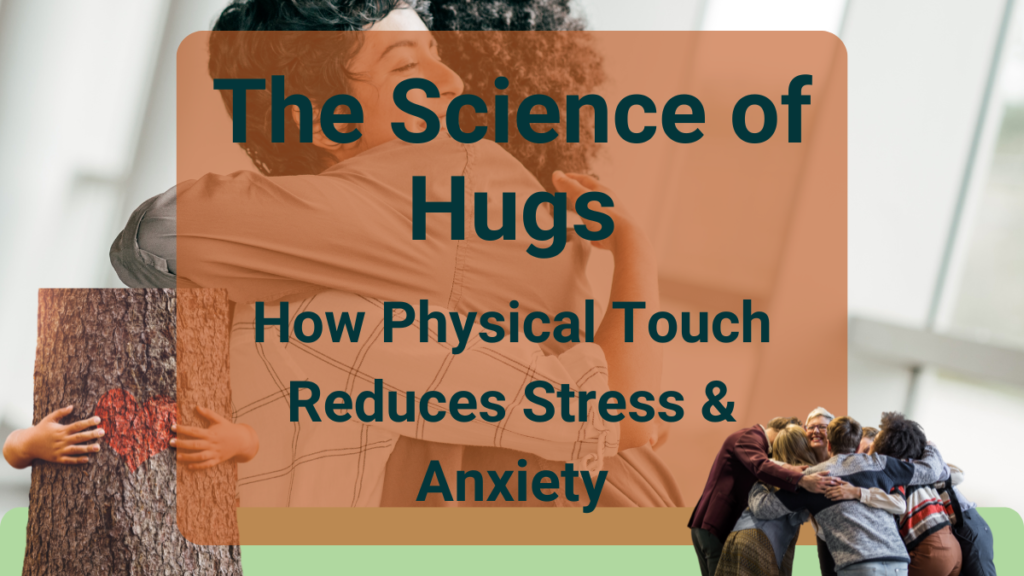
In this post, we’ll dive into the fascinating science behind hugs, how they affect our brains, and why human touch is so essential for mental health. Plus, we’ll share practical tips to incorporate more meaningful hugs into your daily life.
Science of Hugs
Science of Hugs

Why Hugs Feel So Good: The Brain Chemistry Behind It

When you hug someone, your body releases a cascade of feel-good chemicals that promote relaxation and happiness. Here’s what happens inside your brain:

1. Oxytocin: The “Love Hormone”

Oxytocin, often called the “cuddle hormone,” is released during physical touch, including hugs. This hormone strengthens emotional bonds, reduces stress, and even lowers blood pressure. Research from University of California, Berkeley shows that oxytocin fosters trust and social connection, making hugs a natural anxiety reliever.

2. Cortisol Reduction: Lowering Stress Hormones

Stress triggers cortisol, the hormone responsible for fight-or-flight responses. A study published in Psychological Science found that hugging reduces cortisol levels, helping you feel calmer and more secure.

3. Dopamine & Serotonin: Boosting Happiness

Hugs stimulate the release of dopamine (the “reward” chemical) and serotonin (a mood stabilizer). Low levels of these neurotransmitters are linked to depression and anxiety, making hugs a simple yet effective way to lift your spirits.

Video Credits

How Hugs Help with Stress & Anxiety

1. They Create a Sense of Safety

When you’re hugged, your brain receives signals of safety and comfort, which can counteract feelings of loneliness or anxiety. This is especially important for people with social anxiety or those going through tough times.

2. They Strengthen Relationships

Regular physical touch fosters deeper emotional connections, whether with a partner, family member, or friend. Strong social bonds are linked to lower stress levels and better mental health.

3. They Improve Heart Health

Believe it or not, hugs can be good for your heart—literally. Research from the University of North Carolina found that hugging lowers heart rate and blood pressure, reducing the risk of stress-related heart issues.

How to Get the Most Out of Hugs (Tips for Better Hugging)

Not all hugs are created equal. To maximize their stress-relieving benefits, try these tips:

1. Hold Hugs for at Least 20 Seconds

Studies suggest that a 20-second hug is optimal for oxytocin release. Short, quick hugs don’t have the same impact, so take your time!

2. Hug with Intention

A meaningful hug—where you truly embrace the other person—has more psychological benefits than a half-hearted pat on the back. Be present and let the hug linger.

3. Incorporate Hugs into Daily Life

  • Greet loved ones with a hug instead of just a hello.
  • Offer hugs when someone seems stressed or down.
  • If you live alone, hugging a pet can also release oxytocin.

4. Respect Boundaries

Not everyone is comfortable with physical touch, so always ask for consent before hugging. A simple, “Would you like a hug?” ensures comfort for both parties.

What If You Don’t Have Someone to Hug?

If you’re feeling touch-deprived (a real condition called “skin hunger”), don’t worry—there are alternatives:

  • Weighted blankets mimic the sensation of a hug.
  • Self-massage or warm baths can provide soothing touch.
  • Pets offer unconditional affection and physical comfort.
  • Professional cuddle therapy is a growing field for those needing platonic touch.

Final Thoughts: Hug Your Way to Better Mental Health

Hugs are a simple, free, and powerful way to combat stress and anxiety. Whether it’s a quick squeeze from a friend or a long embrace from a loved one, physical touch has profound effects on our well-being.

So, the next time you feel overwhelmed, seek out a hug—or offer one. Your brain (and heart) will thank you.

What’s your experience with hugs? Do you notice a difference in your mood after a good hug? Share your thoughts in the comments!

Related

You Might Also Like

Top 8 Morning Habits That Boost Metabolism Naturally

Why Blood Sugar Spikes Matter Even If You’re Not Diabetic: The Hidden Metabolic Risk

How Chronic Stress Weakens Your Immune System: The Science of Stress and Immunity

7 Powerful Ways Post-Antibiotic Era Nutrition Can Protect Your Health Naturally

TAGGED: anxiety reduction tips, benefits of hugging, Emotional Well-being, how hugs reduce cortisol, hugs and mental health, oxytocin and happiness, science of physical touch, stress relief through touch
Share this Article
Facebook Twitter Pinterest Whatsapp Whatsapp LinkedIn Tumblr Reddit Telegram Email Copy Link Print
Share
What do you think?
Sad0
Sleepy0
Love0
Happy0
Previous Article Better Mental Health & Relationships How to Set Boundaries for Better Mental Health & Relationships
Next Article Stop Overthinking How to Stop Overthinking & Gain Mental Clarity: A Practical Guide
Leave a comment

Leave a Reply Cancel reply

Your email address will not be published. Required fields are marked *

Dr.milind.com | A Complete Health BlogDr.milind.com | A Complete Health Blog
Follow US

© 2022 DrMilind.com. All Rights Reserved.

  • Dr.Milind
  • Privacy Policy
  • About Us
  • Refund and Returns Policy
  • Terms and Conditions
  • Contact
  • Guest Post
Join Us!

Subscribe to our newsletter and never miss our latest news, podcasts etc..

Zero spam, Unsubscribe at any time.

Removed from reading list

Undo
Go to mobile version
Welcome Back!

Sign in to your account

Lost your password?
