








Anti Anxiety Drugs and Anxiety Medications
We’ve all been there—lying awake at 3:00 AM while our brain replays a conversation from three years ago, or feeling that sudden, sharp “zing” of adrenaline when a simple notification pops up on our phone. For many of us, the “just breathe” advice, while well-intentioned, isn’t always enough. Sometimes, the biological volume of anxiety is simply turned up too high for us to manage with willpower alone.
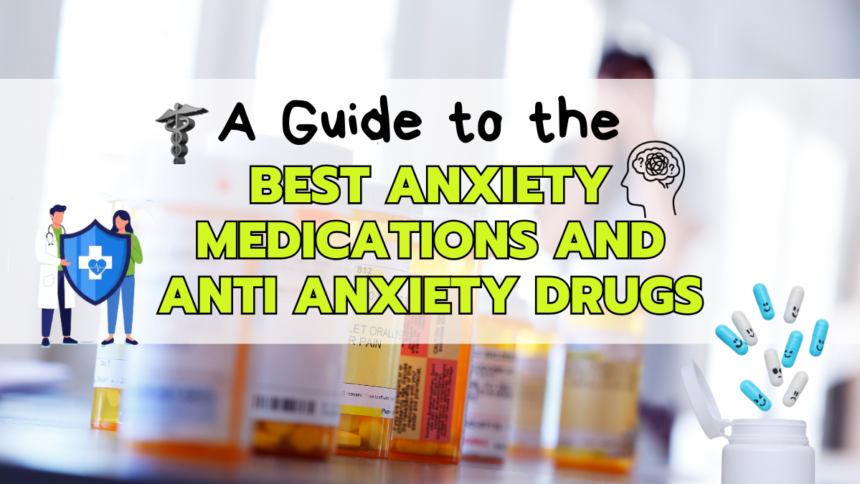
When the internal noise becomes a roar, medical intervention can be a life-changing bridge back to stability. However, the world of psychiatry can feel like an alphabet soup of SSRIs, SNRIs, and benzodiazepines. In this post, we’re breaking down the science and sharing essential Tips to Best Anxiety Medications and Anti Anxiety Drugs to help you understand your options and start an informed conversation with your doctor.
Understanding the Chemistry of Calm
Anxiety isn’t a character flaw; it’s often a chemical imbalance involving neurotransmitters—the tiny messengers in your brain like serotonin, dopamine, and GABA. Think of your brain like a crowded room. If everyone is shouting at once, you can’t think. Medication acts like a volume knob, lowering the shouting so you can hear your own thoughts again.
Before diving into the list, it’s vital to remember that everyone’s brain chemistry is unique. What works like a charm for a friend might not be the right fit for you. Patience is the most important “side effect” you’ll need during this process.
The Main Categories: Best Anxiety Medications and Anti Anxiety Drugs
When a professional looks at treatment, they usually categorize medications based on how they interact with your nervous system and how long they stay in your body.
1. SSRIs (Selective Serotonin Reuptake Inhibitors)
Often considered the first line of defense, SSRIs like Escitalopram (Lexapro), Sertraline (Zoloft), and Fluoxetine (Prozac) work by increasing the levels of serotonin in the brain.
- The Story: These aren’t “instant” fixes. They are more like a slow-burning candle. It usually takes 4 to 6 weeks to feel the full effect, but they are excellent for long-term maintenance because they aren’t habit-forming.
2. SNRIs (Serotonin-Norepinephrine Reuptake Inhibitors)
Similar to SSRIs, SNRIs like Duloxetine (Cymbalta) and Venlafaxine (Effexor) also affect norepinephrine, which can help with both anxiety and physical pain.
3. Benzodiazepines (The “In-the-Moment” Fix)
Drugs like Alprazolam (Xanax) or Lorazepam (Ativan) are fast-acting. They work by enhancing the effects of GABA, a chemical that sends “calm down” signals to the brain.
- The Caveat: While effective for a sudden panic attack, these can be habit-forming and are generally prescribed for short-term use only.
4. Beta-Blockers
Originally designed for heart conditions, medications like Propranolol are often used “off-label” for social anxiety. They don’t stop the worrying in your head, but they stop the shaking in your hands and the racing of your heart. They are a favorite for public speakers.
Modernizing the Treatment Experience: Holistic Integration
In 2026, we’ve moved past the idea that a pill is a “silver bullet.” The most successful outcomes happen when medication is part of a larger, holistic practice. Modern mental health care is about enhancing patient care and improving follow-ups through technology.
Today, many clinics use integrated mobile apps that allow you to track your side effects and mood changes daily. This data gives your doctor a much clearer picture than a 15-minute appointment every three months ever could. By combining the Best Anxiety Medications and Anti Anxiety Drugs with digital tracking and therapy, you create a 360-degree support system that addresses both your biology and your lifestyle.
Common Concerns and FAQs
“Will Anti Anxiety Drugs medication change my personality?”
This is perhaps the biggest fear. The goal of the right medication isn’t to make you a zombie; it’s to remove the layer of fear that is preventing your real personality from shining through. If you feel “numb,” it usually means the dose or the drug needs adjustment.
“Can I ever stop taking them?”
For many, medication is a season, not a life sentence. Once you’ve used the medication to find enough stability to learn coping skills (like CBT), many people work with their doctors to slowly taper off.
Tips to “Best Anxiety Medications and Anti Anxiety Drugs” Success
If you and your doctor decide to try medication, keep these tips in mind:
- Track Everything: Use an app or a notebook to log your mood, sleep, and appetite.
- Be Honest About Side Effects: Don’t suffer in silence. If a drug makes you feel worse, tell your provider immediately.
- Avoid the “Cold Turkey” Trap: Never stop an anti-anxiety drug abruptly. This can send your nervous system into a tailspin.
- Pair with Therapy: Medication fixes the chemistry; therapy fixes the patterns. Together, they are an unstoppable team.
Conclusion: Reclaiming Your Narrative
Choosing to explore the Best Anxiety Medications and Anti Anxiety Drugs is a courageous step toward self-care. It’s an acknowledgment that you deserve to live a life that isn’t dictated by fear. Whether you use medication for a few months or a few years, it is simply one tool in your vast toolkit for finding peace in a chaotic world.
Remember, there is no “perfect” pill, but there is a “perfect for you” treatment plan. Stay patient, stay curious, and keep advocating for your own well-being.
Have you found a specific routine or treatment that helped you manage your anxiety? Share your journey in the comments below—your insight might be the light someone else needs today. To stay updated on the latest in holistic mental health, subscribe to our newsletter today.