








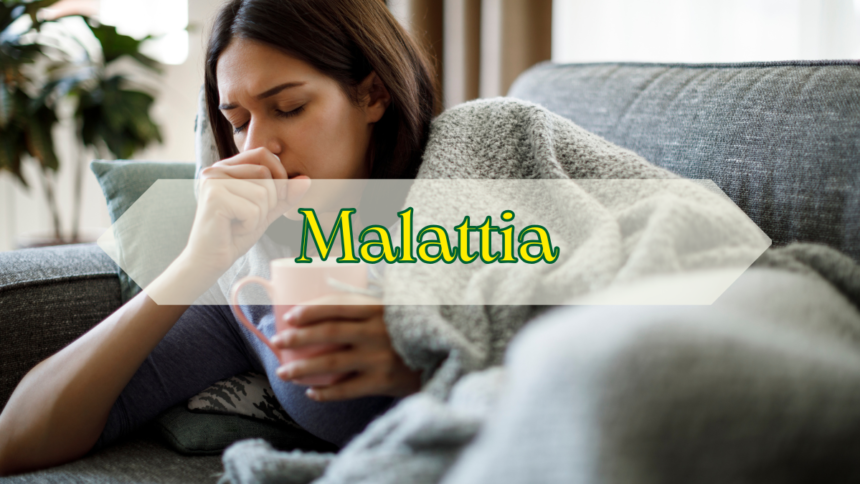
Malattia
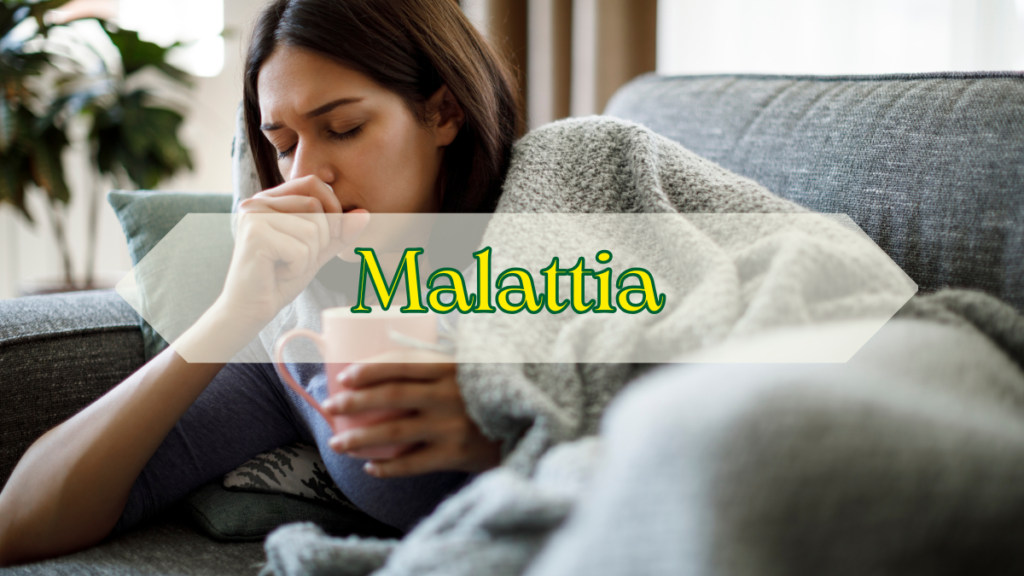
Picture this: You’ve finally settled into the rhythm of Italian life. The morning cappuccino is a ritual, your commute involves a charming cobblestone street, and you’ve mastered the art of the aperitivo. But then, the dreaded happens. You wake up with a fever that makes the ceiling spin.
In Italy, falling sick—or malattia—isn’t just about soup and rest. It involves a specific, almost choreographed dance with bureaucracy. Whether you are an expat working for a local firm or a digital nomad navigating the system, understanding how malattia in italy works is the difference between a restful recovery and a stressful administrative nightmare.
Let’s break down the rules of the game so you can focus on getting better.
1. The Doctor’s Visit: The Electronic Bridge
In many countries, you might just call your boss and say, “I’m staying in bed.” In Italy, the process is digitized and formal. The moment you realize you cannot work, your first call shouldn’t be to your manager, but to your Medico di Base (Primary Care Physician).
The Certificato Medico
Your doctor is the only one who can officially “start” your sick leave. During the visit, they will issue an electronic medical certificate (certificato medico di malattia).
- The Transmission: The doctor sends this certificate directly to INPS (the National Social Security Institute) via their portal.
- The Protocol Number: You will receive a protocol number. You are legally required to provide this number to your employer, though usually, they can see the “redacted” version (without your private diagnosis) through their own INPS portal.
Crucial Note: You must do this within 48 hours of falling ill. If you wait, those first two days might be considered “unjustified absence,” which is a quick way to lose pay or face disciplinary action.
2. The Dreaded “Visita Fiscale”: Someone is at the Door
One of the most unique aspects of malattia in italy is the concept of the Visita Fiscale. This is a surprise visit from an INPS-appointed doctor to verify that you are actually at home and actually sick.
Yes, it sounds a bit like being grounded as a teenager, but it is a standard legal procedure to prevent benefit fraud. There are specific “availability hours” (fasce di reperibilità) during which you must be at the address listed on your medical certificate.
Availability Hours (2026 Regulations)
As of the current rules, the hours you must stay at home are:
- Private Sector Employees: 10:00 AM – 12:00 PM and 5:00 PM – 7:00 PM.
- Public Sector Employees: 9:00 AM – 1:00 PM and 3:00 PM – 6:00 PM.
These rules apply every day of your sick leave, including weekends and holidays. If the INPS doctor knocks and you aren’t there, you could lose your sick pay for the entire period unless you have a documented medical reason for being out (like a physical therapy appointment).
3. Essential Tips to “Malattia in Italy” Success
Navigating this system requires a bit of strategy. Here are some practical Tips to “malattia in italy” management to ensure your leave goes smoothly:
- Double-Check the Address: When the doctor fills out the certificate, make sure the address is exactly where you are staying. If you are recovering at your partner’s house or a parent’s house instead of your residence, that address must be on the form.
- Keep the Doorbell Working: “I didn’t hear the bell” is rarely accepted as an excuse by INPS. Ensure your name is clearly on the intercom or doorbell.
- The “Protocollo” is King: Always save the SMS or email with your certificate protocol number. If there is a glitch in the employer’s system, this number is your shield.
- Notify the Boss Immediately: While the doctor handles the “legal” side with INPS, the “professional” side is on you. Send an email or a message to your supervisor as soon as you have the certificate.
4. Pay and Protection: What to Expect
In Italy, your job is generally protected during a period known as the periodo di comporto. This is the maximum amount of time you can stay on sick leave without the risk of being fired. The length depends on your specific National Collective Labor Contract (CCNL).
Who Pays?
For most employees, the first three days are paid by the employer (known as the periodo di carenza). From the fourth day onwards, INPS covers a portion of the salary, often topped up by the employer to reach your full pay grade.
5. Navigating the SSN (Servizio Sanitario Nazionale)
If you are new to Italy, you need to be registered with the SSN to have a designated Medico di Base.
- Get your Codice Fiscale: This is your tax ID.
- Visit the ASL (Azienda Sanitaria Locale): This is the local health office where you officially “choose” your doctor.
- The Tessera Sanitaria: You will receive a health card that acts as your golden ticket for prescriptions and specialist visits.
Conclusion: Recovery with Peace of Mind
Navigating malattia in italy can feel like you’re trying to solve a puzzle while you have a migraine. However, once you understand that the system relies on the electronic certificate and the availability hours, the mystery disappears. Italy’s social security system is designed to protect workers, ensuring that a bout of the flu doesn’t result in a lost job or a vanished paycheck.
By following these Tips to “malattia in italy”, you can handle the bureaucracy with the same grace you handle a plate of carbonara—one step at a time, with full confidence.
Stay home, stay rested, and let the system work for you. Guarisci presto! (Get well soon!)
Take the Next Step
- Subscribe to our newsletter for more insights into living and working in Italy, from tax codes to travel hacks.
- Leave a comment: Have you ever had a “Visita Fiscale”? Share your experience below!
- Share this article: Know someone who just started a job in Milan or Rome? Send this their way so they’re prepared for the winter flu season.