


Dementia Vaccine
I remember sitting in my grandmother’s kitchen about ten years ago. She was trying to tell me a story about her wedding day, but she kept getting stuck on the name of the church. The frustration in her eyes was heartbreaking—it wasn’t just a forgotten name; it was a piece of her identity slipping through her fingers.
For decades, a diagnosis of dementia or Alzheimer’s felt like a one-way street. We had “management” strategies, but we didn’t have a way to stop the car. That is finally changing. As we move through 2026, the conversation has shifted from “How do we cope?” to “When can we get the shot?“
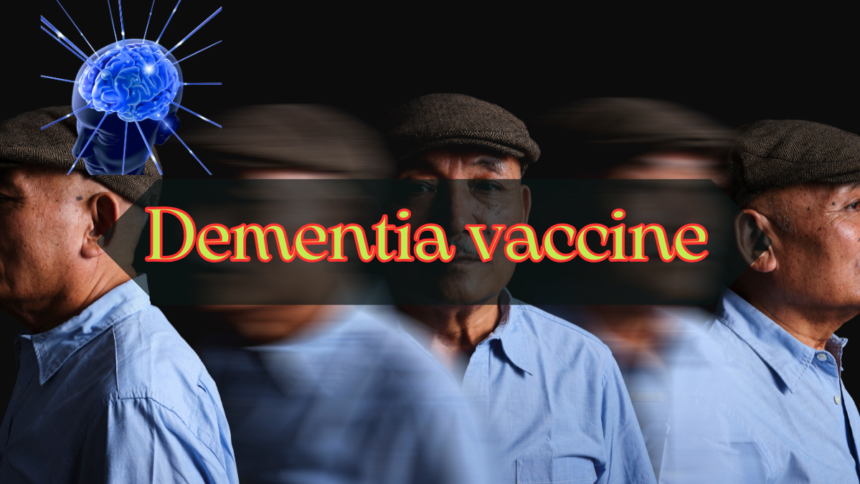
The prospect of a dementia vaccine is no longer science fiction. It is a rapidly advancing reality that promises to transform brain health for millions. Let’s break down what’s happening in the lab, what it means for your family, and how we can navigate this new frontier.
What Exactly is a Dementia Vaccine?
When we think of vaccines, we usually think of polio or the flu—shots that prevent a virus from taking hold. A dementia vaccine is slightly different. Most of the candidates currently in clinical trials are types of immunotherapy.
Our brains naturally produce certain proteins. In a healthy brain, these proteins are cleared away like trash on a Tuesday morning. However, in people with Alzheimer’s, two specific proteins—amyloid-beta and tau—begin to clump together.
These clumps (plaques and tangles) act like gum in the gears of your neurons, eventually causing them to die. A vaccine “trains” your immune system to recognize these rogue proteins and clear them out before they can do permanent damage.
Preventative vs. Therapeutic
Where Are We Now? (The 2026 Update)
We’ve graduated from the “if” stage to the “how well” stage. According to the National Institute on Aging (NIA), there are currently dozens of vaccines in various phases of clinical trials.
Some of the most exciting developments involve nasal vaccines. Instead of a needle, these utilize a spray that activates immune cells in the nasal cavity, which have a “direct line” to the brain. This approach is showing incredible promise in reducing brain inflammation, which we now know is a major driver of cognitive decline.
Essential Tips to Understanding the Dementia Vaccine Landscape
The news moves fast, and it can be hard to separate hope from hype. Here are a few Tips to dementia vaccine literacy to help you stay informed:
1. Know the “Biomarkers”
Before a vaccine can be administered, doctors need to know what they are fighting. We now have blood tests that can detect amyloid and tau levels years before symptoms appear. If you have a family history of dementia, talk to your doctor about early screening. Early detection is the key to making future vaccines effective.
2. Don’t Wait for the “Magic Bullet”
While we wait for wide-scale vaccine availability, remember that lifestyle is a “natural vaccine.” Research from the Mayo Clinic consistently shows that cardiovascular health, social engagement, and a Mediterranean diet create a more resilient brain that responds better to any future medical treatments.
3. Look for Reputable Clinical Trials
If you or a loved one are in the early stages of decline, you might not have to wait for FDA approval. Organizations like the Alzheimer’s Association have databases where you can search for ongoing trials. Being part of a study gives you access to cutting-edge medicine while helping the rest of the world get closer to a cure.
Common Questions: Is it Safe?
The most common concern is safety. In the early 2000s, first-generation vaccine trials were halted due to brain inflammation. However, the “2026 generation” of vaccines is much more precise.
Modern immunotherapies are designed to target only the misfolded versions of proteins, leaving the healthy ones alone. This “targeted strike” approach has significantly reduced side effects in recent Phase II and Phase III trials.
The Road Ahead: Why We Should Be Hopeful
We aren’t just looking at one vaccine; we are looking at a future of personalized brain health. Just as we have different shots for different strains of the flu, we will likely have a cocktail of treatments tailored to a person’s specific genetic profile and protein buildup.
The goal is no longer just “living longer”—it’s “living sharper.” We want our parents and grandparents to not just be physically present, but to be able to tell those stories about their wedding days without getting stuck.
Conclusion: A Future Worth Remembering
The journey toward a dementia vaccine has been long and filled with setbacks, but the momentum is now unstoppable. We are finally learning how to help the brain defend itself. By staying informed, prioritizing early screening, and supporting neuroscientific research, we are all part of the generation that could see the end of Alzheimer’s as we know it.
It’s about more than just medicine; it’s about protecting our memories, our stories, and the people we love. The “invisible string” of our identity is finally being reinforced.
Join the Conversation
- Subscribe to our newsletter for weekly updates on brain health breakthroughs and wellness tips.
- Leave a comment: Does your family have a history with dementia? What does the prospect of a vaccine mean to you?
- Share this article: Knowledge is power—help someone else stay informed about the future of brain health.