



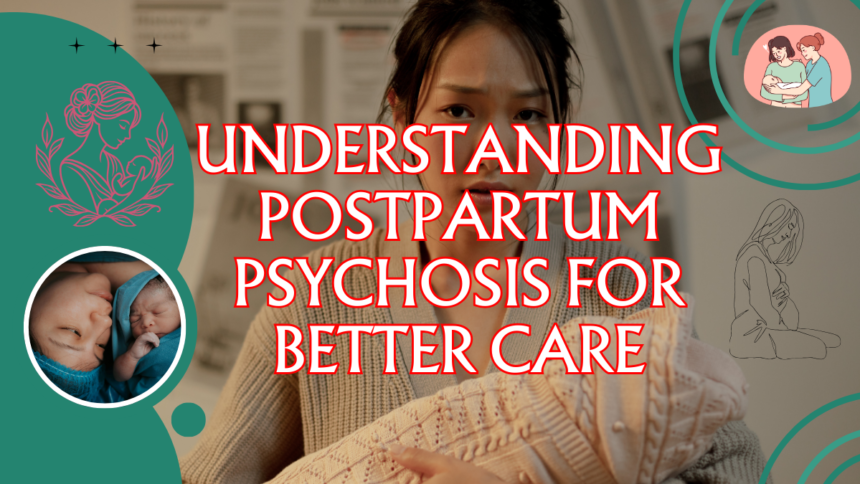
Postpartum Psychosis : A Necessary Step Towards Recognition and Care
Estimated reading time: 6 minutes
- Postpartum psychosis is a severe mental illness affecting 1 in 1,000 new mothers.
- Early recognition and intervention can significantly improve outcomes.
- The potential inclusion in the DSM could enhance awareness and treatment.
- Open dialogue about mental health is vital for new mothers.
What is Postpartum Psychosis?
Postpartum psychosis is a rare but severe mental illness that occurs in women after childbirth. Unlike the more common “baby blues”, which typically resolves in a few days, postpartum psychosis is characterized by dramatic shifts in mood, hallucinations, delusions, and severe disorganization of thought. It is crucial to differentiate postpartum psychosis from similar conditions, such as postpartum depression, as the treatment approaches can vary significantly.
The inclusion of postpartum psychosis in the DSM may not only increase awareness but could also catalyze a shift in how healthcare providers view and address this condition. It is reported that one in every 1,000 new mothers experiences postpartum psychosis, and given its severe implications—risking both the mother’s and the infant’s safety—this condition warrants attention and prompt intervention.
The Push for Inclusion in the DSM
The DSM serves as a critical guide for mental health professionals, helping to define, diagnose, and treat mental health conditions. The potential inclusion of postpartum psychosis in this manual is significant for many reasons. Firstly, it offers a standardized definition that can promote recognition among healthcare providers. With more awareness, healthcare practitioners may be more vigilant in screening for symptoms, leading to quicker diagnoses and interventions.
Currently, many cases of postpartum psychosis go unrecognized or misdiagnosed. The stigma surrounding mental health, especially in new mothers, often leads to a lack of open discussions about mental health struggles. By formally acknowledging postpartum psychosis, we can foster a more accepting environment, encouraging mothers to voice their experiences without fear of judgment.
Understanding the Symptoms
Recognizing the symptoms of postpartum psychosis is vital for timely interventions. Some common signs to be aware of include:
- Mood Swings: Severe mood changes that can fluctuate from deep sadness to manic episodes can be a red flag.
- Hallucinations: Women may see or hear things that are not there, leading to confusion and fear.
- Delusions: These could manifest as false beliefs regarding oneself, the baby, or one’s partner.
- Disorganized Thinking: Inability to think clearly, leading to difficulty in processing thoughts or conversations.
- Severe Anxiety or Confusion: Increased agitation, paranoia, or feelings of detachment from reality are common.
If you or someone you know exhibits these symptoms in the postpartum period, it is critical to seek help immediately. Early intervention can significantly improve outcomes.
Importance of Early Recognition and Intervention
Postpartum psychosis can progress to more severe outcomes, including risks to the mother’s life and that of the infant. Statistics show that this condition can be associated with suicide and infanticide if left untreated. Hence, the need for early recognition cannot be overstated. Effective communication with healthcare providers, support from family members, and creating an open dialogue about mental health can all play vital roles in identification and intervention.
The current discussions surrounding postpartum psychosis are a call to double down on education for both health professionals and the general public. By elevating awareness, not only can we hope to improve early diagnosis, but we can also support mothers through adequate treatment options.

Practical Takeaways for Health Readers
As we delve deeper into the topic of postpartum psychosis, it’s essential to focus on actionable insights that can empower both new mothers and their support networks:
- Educate Yourself and Your Support Circle: Understanding the symptoms and implications of postpartum psychosis can help in recognizing early signs. Share articles, attend seminars, or join support groups focused on maternal mental health.
- Seek Professional Guidance: If you are pregnant or recently gave birth and are experiencing mood swings or overwhelming emotions, reach out to a mental health professional. Early screening and intervention can make a world of difference.
- Establish Open Communication: Encourage conversations about mental health with partners, family, and friends. Creating a safe space for dialogue can help new mothers feel comfortable sharing their experiences and seeking help.
- Build a Support System: Surround yourself with loved ones who understand the challenges of new parenthood. They can offer not only emotional support but also practical assistance, making the postpartum period less overwhelming.
- Monitor Your Mental Health: Pay close attention to your feelings and thoughts during the postpartum period. Journaling can be an effective way to track your emotional state and identify any troubling patterns—these insights can be valuable during discussions with healthcare providers.
The Road Ahead: Ensuring Comprehensive Care
While the inclusion of postpartum psychosis in the DSM is a crucial step in the right direction, it alone will not solve the underlying issues of stigma and under-recognition of maternal mental health conditions. Ongoing research, better training for healthcare providers, and enhanced support networks are necessary to ensure that all women receive the care they need.
For healthcare practitioners, increasing emphasis on maternal mental health during prenatal and postnatal visits can facilitate early identification. Mental health screenings could become a standard part of maternity care, ensuring that postpartum psychosis and other mental health challenges are addressed promptly.
Furthermore, advocacy for mental health resources and support systems is essential. Policy changes are needed to ensure that new mothers have access to mental health care without barriers, including affordable therapy options and community support groups.
Conclusion
Postpartum psychosis represents a critical intersection of mental health and maternal care. Acknowledging its existence in the DSM is a foundational step toward improving awareness, understanding, and treatment options. However, it is clear that additional efforts are necessary to provide comprehensive care and support for women navigating this challenging condition.
Ultimately, nurturing a supportive environment—in both healthcare practices and societal attitudes—can lead to better outcomes for mothers and their children. It is our responsibility to ensure that mental health is prioritized alongside physical health during the transformative and often tumultuous postpartum period.
By fostering open discussions and providing practical resources, we can move closer to a future where women feel supported and empowered to seek help for all aspects of their well-being.
For more insightful articles on health, wellness, and mental health, visit us at Drmilind.com. Remember, you are not alone in this journey, and seeking help is not just okay—it’s vital.
FAQ
What is postpartum psychosis?
Postpartum psychosis is a severe mental health condition that can occur shortly after childbirth, characterized by hallucinations, delusions, and disorganized thought.
How common is postpartum psychosis?
It affects approximately 1 in 1,000 new mothers.
What are the symptoms of postpartum psychosis?
Symptoms include severe mood swings, hallucinations, delusions, disorganized thinking, and severe anxiety or confusion.
Why is early recognition important?
Early recognition can lead to timely intervention, reducing the risks to both mother and infant.
How can one seek help for postpartum psychosis?
Consulting a mental health professional as soon as symptoms are identified is crucial for proper care and treatment.