








Menopause
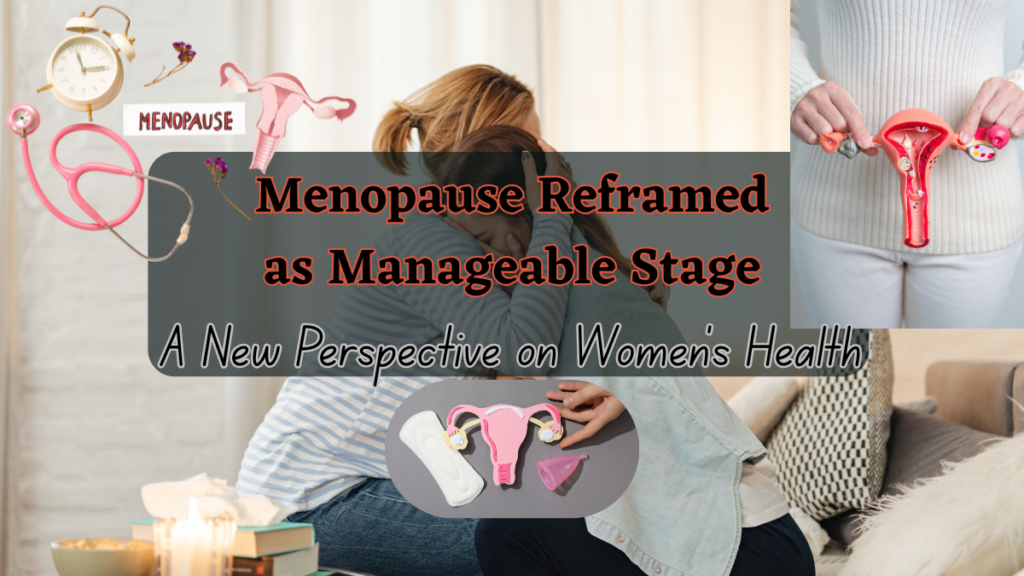
For generations, menopause has been viewed as an inevitable decline—a biological endpoint marked by discomfort and loss. Today, we’re witnessing a profound shift in how women’s health is approached, moving from reactive treatment to proactive management. This transformation represents more than just medical progress; it’s a cultural reimagining of what it means to age as a woman. Menopause reframed as manageable stage offers hope, empowerment, and practical solutions for millions of women navigating this natural transition.
The modern approach to menopause management combines cutting-edge medical science with holistic wellness practices, creating a comprehensive framework that addresses physical, emotional, and psychological aspects simultaneously. From estrogen therapy and hormone-balancing supplements to innovative cycle-tracking tools, women now have unprecedented access to personalized care that honors their unique experiences.
Understanding Menopause as a Manageable Transition
Menopause, traditionally defined as the cessation of menstrual periods for twelve consecutive months, typically occurs between ages 45 and 55. However, the journey begins much earlier with perimenopause—the transitional phase that can last several years. During this time, fluctuating hormone levels can trigger a wide range of symptoms that affect quality of life.
The Science Behind Menopausal Changes
At its core, menopause involves the gradual decline of estrogen and progesterone production by the ovaries. These hormonal shifts affect nearly every system in the body:
- Vasomotor symptoms: Hot flashes and night sweats
- Sleep disturbances and fatigue
- Mood changes and emotional sensitivity
- Cognitive changes including memory lapses
- Metabolic shifts affecting weight management
- Bone density reduction increasing osteoporosis risk
- Cardiovascular system changes
The Modern Management Framework
Today’s approach to menopause management emphasizes personalization, prevention, and empowerment. Rather than simply treating symptoms as they arise, women are encouraged to develop proactive strategies that support their health throughout the transition and beyond.
Medical Interventions and Hormone Therapy
Hormone replacement therapy (HRT) has evolved significantly in recent decades. Modern formulations are safer, more targeted, and available in various delivery methods including patches, gels, and low-dose options. The key is individualized treatment based on:
- Symptom severity and type
- Personal and family medical history
- Age and time since menopause onset
- Individual risk factors and preferences
Non-Hormonal Approaches and Supplements
For women who cannot or choose not to use hormone therapy, numerous evidence-based alternatives exist:
- Selective serotonin reuptake inhibitors (SSRIs) for mood and hot flashes
- Gabapentin for neuropathic symptoms and sleep
- Phytoestrogens from soy and flaxseed
- Black cohosh and other herbal supplements
- Vitamin D and calcium for bone health
The Ayurvedic Perspective on Menopause Management
Ayurveda, the ancient Indian system of medicine, offers a holistic framework for understanding and managing menopause. According to Ayurvedic principles, menopause represents a natural shift in dosha balance—particularly an increase in Vata (air and space elements) that can manifest as dryness, anxiety, and irregularity.
Ayurvedic Strategies for Balance
Traditional Ayurvedic approaches focus on restoring harmony through:
- Dietary modifications emphasizing warm, moist, and grounding foods
- Herbal formulations including ashwagandha, shatavari, and amalaki
- Daily routines (dinacharya) that promote stability
- Seasonal cleansing practices (panchakarma) when appropriate
- Yoga and pranayama techniques for stress management
Lifestyle Foundations for Menopause Management
Beyond medical and herbal interventions, certain lifestyle practices form the foundation of effective menopause management:
Nutrition for Hormonal Balance
A menopause-friendly diet emphasizes:
- Protein-rich foods to support muscle mass
- Calcium and vitamin D sources for bone health
- Omega-3 fatty acids for inflammation reduction
- Fiber for digestive health and estrogen metabolism
- Hydration to combat dryness symptoms
Movement and Exercise Strategies
Regular physical activity serves multiple purposes during menopause:
- Weight-bearing exercise for bone density
- Strength training for metabolic health
- Cardiovascular exercise for heart health
- Yoga and stretching for flexibility and stress reduction
Technology and Tracking Tools
The digital health revolution has brought powerful tools to women’s fingertips. Modern cycle-tracking apps and wearable devices now offer:
- Symptom pattern recognition
- Hormone level tracking
- Sleep quality monitoring
- Personalized lifestyle recommendations
- Connection to healthcare providers
Psychological and Emotional Support
Menopause management extends beyond physical symptoms to address the emotional and psychological dimensions of this transition. Effective strategies include:
- Cognitive behavioral therapy for symptom management
- Mindfulness and meditation practices
- Support groups and community connections
- Career and relationship adjustments
- Identity exploration and personal growth
Myths vs Facts About Menopause Management
Let’s clarify common misconceptions surrounding menopause:
Myth: Menopause means the end of vitality and sexuality.
Fact: Many women report increased sexual satisfaction and personal freedom post-menopause.
Myth: Hormone therapy is dangerous for everyone.
Fact: Modern HRT is safe for most women when properly prescribed and monitored.
Myth: Menopause symptoms must be endured silently.
Fact: Numerous effective treatments exist for bothersome symptoms.
Myth: Menopause happens suddenly at age 50.
Fact: The transition occurs gradually over several years.
When to Seek Professional Guidance
While many aspects of menopause can be managed through lifestyle adjustments, certain situations warrant professional consultation:
- Severe symptoms affecting daily functioning
- Unusual bleeding patterns
- Rapid bone density loss
- Persistent mood disturbances
- Cardiovascular concerns
- Questions about treatment options
Conclusion: Embracing a New Paradigm
Menopause reframed as manageable stage represents more than just a medical advancement—it’s a cultural shift toward honoring women’s health across the lifespan. By combining modern medical science with traditional wisdom and personalized lifestyle strategies, women can navigate this transition with confidence and vitality.
The key takeaway is that menopause doesn’t have to be endured; it can be managed, understood, and even embraced as a natural phase of growth and transformation. With the right information, support, and proactive approach, women can maintain their health, vitality, and quality of life throughout and beyond the menopausal transition.
Remember that every woman’s journey is unique. What works for one may not work for another. The most effective approach is one that honors your individual needs, preferences, and health status while drawing from the best of both modern and traditional medicine.
Frequently Asked Questions
What is menopause reframed as manageable stage?
Menopause reframed as manageable stage represents a modern approach to women’s health that views menopause not as a medical problem to be endured, but as a natural life transition that can be proactively managed through personalized strategies combining medical interventions, lifestyle modifications, and holistic practices.
How does hormone therapy work for menopause management?
Hormone therapy works by supplementing declining estrogen and sometimes progesterone levels to alleviate menopausal symptoms. Modern formulations are available in various forms including patches, gels, pills, and vaginal preparations, with dosages tailored to individual needs and monitored for safety and effectiveness.
Is hormone therapy safe for menopause management?
For most healthy women under 60 or within 10 years of menopause onset, hormone therapy is considered safe when properly prescribed and monitored. Individual risk factors including personal and family medical history determine suitability, making consultation with a healthcare provider essential.
What natural supplements help with menopause symptoms?
Several evidence-based supplements can support menopause management including black cohosh for hot flashes, soy isoflavones as phytoestrogens, vitamin D and calcium for bone health, omega-3 fatty acids for inflammation, and adaptogenic herbs like ashwagandha for stress adaptation.
How long does the menopause transition typically last?
The complete menopause transition, including perimenopause and postmenopause, typically spans 7-14 years. Perimenopause (the transitional phase) usually lasts 4-8 years, while the postmenopausal phase continues for the remainder of life, emphasizing the importance of long-term health strategies.
Are there lifestyle changes that can reduce menopause symptoms?
Yes, several lifestyle modifications significantly impact menopause symptoms: regular exercise reduces hot flashes and improves mood, a balanced diet supports hormonal balance, stress management techniques alleviate anxiety, adequate sleep improves cognitive function, and smoking cessation reduces symptom severity.
Who should avoid certain menopause treatments?
Women with specific medical conditions should exercise caution with certain treatments: those with hormone-sensitive cancers may avoid hormone therapy, individuals with liver disease need careful monitoring, women with blood clotting disorders require specialized approaches, and those with certain autoimmune conditions may need customized plans.
When should I consult a specialist about menopause management?
Consult a menopause specialist if you experience severe symptoms affecting daily life, have unusual bleeding patterns, need clarification about treatment options, have complex medical history affecting treatment choices, experience rapid bone density loss, or want personalized guidance on navigating this transition effectively.
Use ScifiCalculators.com to Solve Physics, Chemistry, Biology, and Mathematics problems with step-by-step explanations. From quantum mechanics to DNA analysis – we’ve got you covered.