







By using this site, you agree to the Privacy Policy and Terms of Use.
Accept
Dr.milind.com | A Complete Health BlogDr.milind.com | A Complete Health Blog
  • Dr.Milind
  • Diseases
    • Cancer
    • Mental Health
  • Organs
  • Herbs
  • Home Remedies
  • Health News
Reading: The Truth About Seed Oils: Are They Really Harmful?
Share
Notification Show More
Latest News
5 Proven Ways to Strengthen Your Immune System Naturally
Uncategorized
Morning Habits That Boost Metabolism
Top 8 Morning Habits That Boost Metabolism Naturally
Health News Home Remedies
Why Blood Sugar Spikes Matter Even If You’re Not Diabetic: The Hidden Metabolic Risk
Health News
The Role of Protein in Healthy Aging and Muscle Preservation: What Science Says
Home Remedies
How Chronic Stress Weakens Your Immune System: The Science of Stress and Immunity
Diseases
Aa
Dr.milind.com | A Complete Health BlogDr.milind.com | A Complete Health Blog
Aa
  • Dr.Milind
  • Diseases
  • Organs
  • Herbs
  • Home Remedies
  • Health News
Search
  • Dr.Milind
  • Diseases
    • Cancer
    • Mental Health
  • Organs
  • Herbs
  • Home Remedies
  • Health News
Have an existing account? Sign In
Follow US
© 2022 Foxiz News Network. Ruby Design Company. All Rights Reserved.
Dr.milind.com | A Complete Health Blog > Blog > Health News > The Truth About Seed Oils: Are They Really Harmful?
Health News

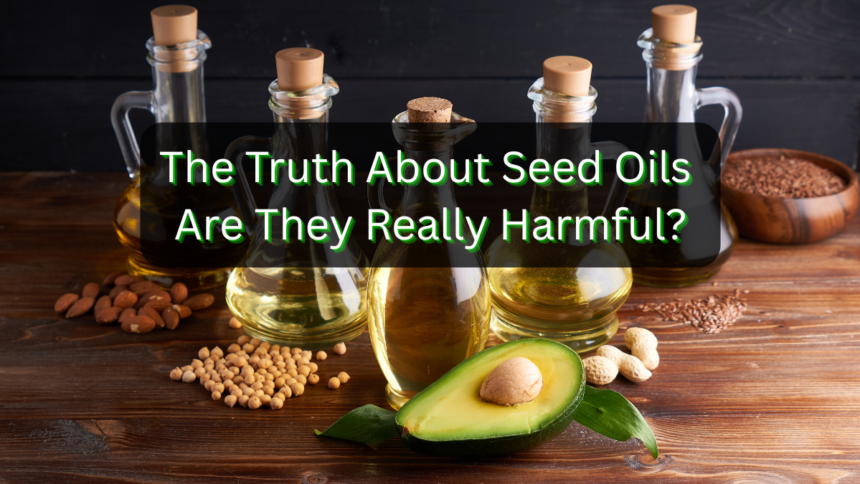
The Truth About Seed Oils: Are They Really Harmful?

If you’ve spent any time on health and wellness blogs or social media lately, you’ve probably heard the heated debate about seed oils. Some claim they’re toxic and inflammatory, while others argue they’re a harmless (and even healthy) part of a balanced diet. So, what’s the real story?

Dr.Milind Kumavat
Last updated: 2025/05/02 at 6:48 AM
By Dr.Milind Kumavat 7 months ago
Share
6 Min Read
Truth About Seed Oils
SHARE

Truth About Seed Oils

If you’ve spent any time on health and wellness blogs or social media lately, you’ve probably heard the heated debate about seed oils. Some claim they’re toxic and inflammatory, while others argue they’re a harmless (and even healthy) part of a balanced diet. So, what’s the real story?

Contents
Truth About Seed OilsWhat Are Seed Oils?Video CreditsThe Controversy: Why Are Seed Oils Considered Unhealthy?1. High in Omega-6 Fatty Acids2. Highly Processed3. Linked to Chronic Diseases4. Used in Ultra-Processed FoodsAre Seed Oils Really That Bad? The Other Side of the Argument1. They’re Not the Only Source of Omega-6s2. Some Seed Oils Contain Beneficial Nutrients3. The Science Isn’t Settled4. Moderation MattersTips for Making Healthier Oil Choices1. Opt for Cold-Pressed, Unrefined Oils2. Balance Omega-3 and Omega-6 Fats3. Avoid Ultra-Processed Foods4. Cook with Stable Fats at High Heat5. Read LabelsFinal Verdict: Should You Avoid Seed Oils?What’s Your Take?

In this post, we’ll break down the science, myths, and facts about seed oils to help you make an informed decision. Let’s dive in.
Truth About Seed Oils

What Are Seed Oils?

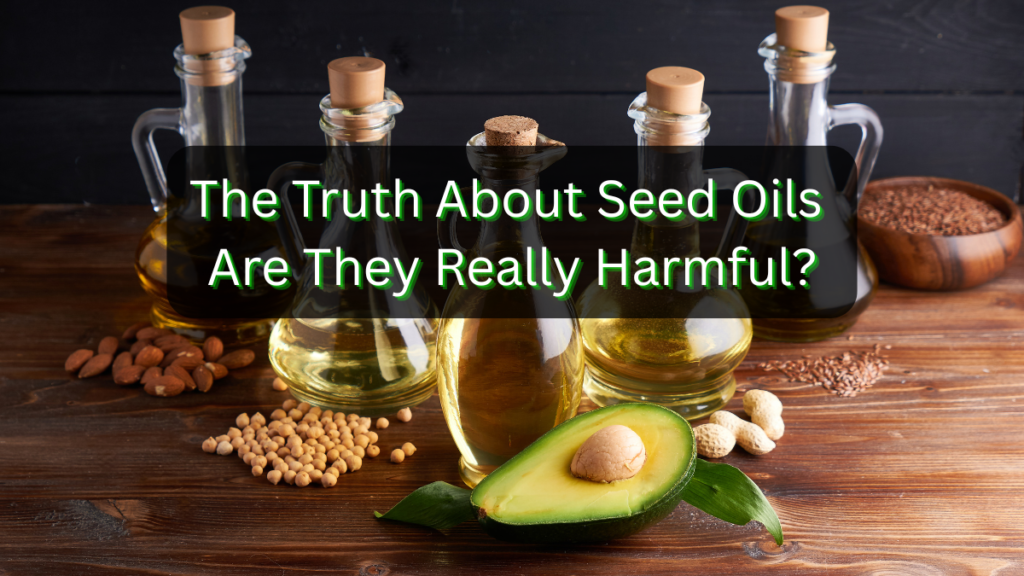
Seed oils are vegetable oils extracted from the seeds of plants, such as:

  • Soybean oil
  • Canola oil (rapeseed oil)
  • Sunflower oil
  • Corn oil
  • Cottonseed oil
  • Safflower oil

These oils are highly processed and commonly used in cooking, packaged foods, and restaurant frying due to their low cost and high smoke points. But are they bad for you?

Video Credits

The Controversy: Why Are Seed Oils Considered Unhealthy?

Critics argue that seed oils pose several health risks, including:

1. High in Omega-6 Fatty Acids

Seed oils are rich in omega-6 fatty acids, which, in excess, may promote inflammation when not balanced with omega-3s (found in fish, flaxseeds, and walnuts). Chronic inflammation is linked to heart disease, diabetes, and autoimmune conditions.

2. Highly Processed

Most seed oils undergo heavy refining, bleaching, and deodorizing, which may strip away nutrients and introduce harmful compounds. Some experts worry that industrial processing creates oxidized fats, which could contribute to cell damage.

3. Linked to Chronic Diseases

Some studies suggest a correlation between high seed oil consumption and obesity, heart disease, and metabolic disorders. However, correlation doesn’t equal causation, and more research is needed.

4. Used in Ultra-Processed Foods

Seed oils are a staple in fast food, chips, and baked goods—foods already linked to poor health outcomes. It’s hard to separate the effects of the oil from the overall poor quality of these foods.

Are Seed Oils Really That Bad? The Other Side of the Argument

Not everyone agrees that seed oils are harmful. Here’s why some experts defend them:

1. They’re Not the Only Source of Omega-6s

While omega-6 fats can be inflammatory in excess, they’re also essential for brain function and cell growth. The key is balance—not elimination.

2. Some Seed Oils Contain Beneficial Nutrients

For example, sunflower oil has vitamin E, and canola oil contains heart-healthy monounsaturated fats.

3. The Science Isn’t Settled

While some studies raise concerns, others show that replacing saturated fats (like butter) with unsaturated fats (like seed oils) may improve heart health.

4. Moderation Matters

The dose makes the poison. Using small amounts of seed oils occasionally is unlikely to cause harm, especially if your diet is otherwise rich in whole foods.

Tips for Making Healthier Oil Choices

If you’re concerned about seed oils but don’t want to eliminate them entirely, here are some practical tips:

1. Opt for Cold-Pressed, Unrefined Oils

Oils like extra-virgin olive oil, avocado oil, and coconut oil are less processed and retain more nutrients.

2. Balance Omega-3 and Omega-6 Fats

Eat more fatty fish, chia seeds, and walnuts to maintain a healthier fatty acid ratio.

3. Avoid Ultra-Processed Foods

Since seed oils are common in junk food, cutting back on packaged snacks can reduce your intake naturally.

4. Cook with Stable Fats at High Heat

For frying, use oils with high smoke points like avocado oil or ghee instead of highly refined seed oils.

5. Read Labels

Check ingredient lists for soybean, corn, or cottonseed oil, especially in salad dressings and margarine.

Final Verdict: Should You Avoid Seed Oils?

The truth lies somewhere in the middle. Seed oils aren’t inherently toxic, but their overconsumption—especially in processed foods—may contribute to health issues. If you eat a whole-food-based diet and use seed oils sparingly, they’re unlikely to be a major concern.

However, if you’re dealing with chronic inflammation or metabolic issues, reducing seed oils and choosing healthier fats might be beneficial.

What’s Your Take?

What’s your experience with seed oils? Have you noticed any health changes after cutting them out? Share your thoughts in the comments below!

And if you found this post helpful, don’t forget to share it with friends and family who might be wondering about seed oils too.

Related

You Might Also Like

Top 8 Morning Habits That Boost Metabolism Naturally

Why Blood Sugar Spikes Matter Even If You’re Not Diabetic: The Hidden Metabolic Risk

7 Powerful Ways Post-Antibiotic Era Nutrition Can Protect Your Health Naturally

Urban Microbiome and Human Immunity: How City Life Shapes Your Gut and Skin Health

TAGGED: are seed oils bad, best oils for cooking, healthy cooking oils, Healthy fats, inflammation and diet, omega-6 fatty acids, processed oils, seed oils, seed oils controversy, seed oils health risks
Share this Article
Facebook Twitter Pinterest Whatsapp Whatsapp LinkedIn Tumblr Reddit Telegram Email Copy Link Print
Share
What do you think?
Sad0
Sleepy0
Love0
Happy0
Previous Article Blood Type Affects Your Health & Diet How Your Blood Type Affects Your Health & Diet: What Science Says
Next Article Hormone-Balancing Foods How to Eat for Your Hormones: A Guide to Hormone-Balancing Foods
Leave a comment

Leave a Reply Cancel reply

Your email address will not be published. Required fields are marked *

Dr.milind.com | A Complete Health BlogDr.milind.com | A Complete Health Blog
Follow US

© 2022 DrMilind.com. All Rights Reserved.

  • Dr.Milind
  • Privacy Policy
  • About Us
  • Refund and Returns Policy
  • Terms and Conditions
  • Contact
  • Guest Post
Join Us!

Subscribe to our newsletter and never miss our latest news, podcasts etc..

Zero spam, Unsubscribe at any time.

Removed from reading list

Undo
Go to mobile version
Welcome Back!

Sign in to your account

Lost your password?
