



Severe Anxiety Disorder
Imagine trying to walk through your day while a siren blares in your ears, a heavy weight sits on your chest, and every shadow looks like a threat. For someone living with a severe anxiety disorder, this isn’t a metaphor—it is the baseline of their existence. It’s the difference between being “stressed out” about a deadline and being physically unable to leave the house because the world feels fundamentally unsafe.
Severe anxiety is a thief. It steals time, energy, and the ability to find joy in the present moment. However, the most important thing to understand is that even the most debilitating anxiety is not a life sentence. With the right roadmap, the brain can be retrained. In this article, we will provide an in-depth analysis and essential Tips to Severe Anxiety Disorder: Symptoms and Treatment, helping you find the bridge from constant crisis to sustainable calm.
When Worry Becomes “Severe”: The Threshold
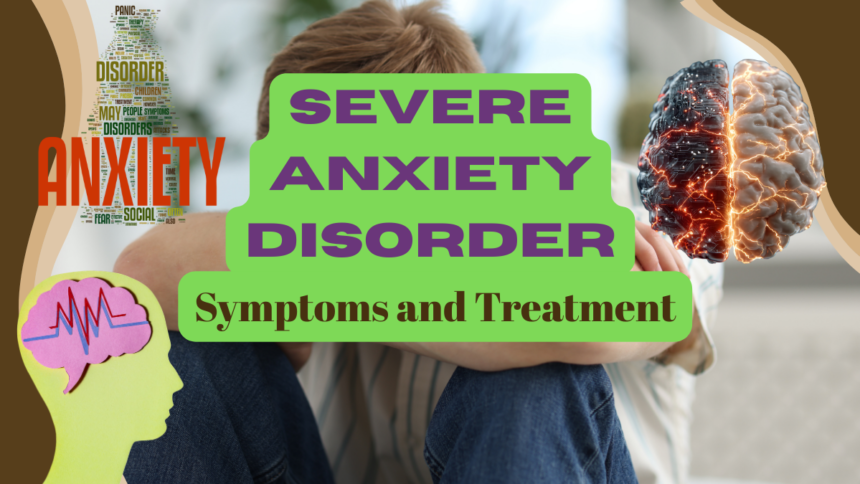
We all experience anxiety; it’s a survival mechanism that keeps us from walking into traffic. But a disorder becomes “severe” when the frequency, intensity, and duration of the symptoms begin to interfere with your ability to function. If you are missing work, avoiding social connections, or experiencing physical illness due to fear, it is time to look at Severe Anxiety Disorder: Symptoms and Treatment through a clinical lens.
At this level, the “alarm” in the brain (the amygdala) is effectively broken. It stays in a state of hyper-arousal, flooding the body with cortisol and adrenaline even when you are in a safe environment.
Identifying the Signs: Severe Anxiety Symptoms
Severe anxiety is a full-body experience. It isn’t just “in your head”; it is etched into your nervous system.
Physical Manifestations
- Chronic Physical Pain: Many people with severe anxiety suffer from unexplained back pain, migraines, or joint stiffness caused by months of unconscious muscle bracing.
- Severe Sleep Deprivation: The “tired but wired” phenomenon, where the body is exhausted but the brain refuses to shut down.
- Gastrointestinal Distress: Severe anxiety is often linked to chronic stomach issues, as the gut is essentially the “second brain.”
- Panic Surges: Frequent, unprovoked panic attacks that leave the individual feeling physically depleted for days.
Cognitive and Emotional Impact
- Depersonalization: A terrifying symptom where you feel detached from your body, as if you are watching your life through a screen.
- Hyper-vigilance: Constantly scanning your environment for things that could go wrong.
- Memory Issues: High cortisol levels can actually shrink the hippocampus over time, making it difficult to focus or remember simple details.
The Path to Recovery: Severe Anxiety Treatment
Because severe anxiety is so multi-faceted, the treatment must be equally robust. A singular approach—like just taking a pill or just going for a walk—is rarely enough for severe cases.
1. Professional Therapy (The Internal Rewiring)
Cognitive Behavioral Therapy (CBT) and Exposure Response Prevention (ERP) are the heavy hitters. CBT helps you dismantle the logic of your fear, while ERP helps you slowly face the things you avoid, proving to your brain that you can survive the discomfort.
2. Pharmacological Support
When anxiety is severe, the nervous system is often too “loud” for therapy to work. Medications such as SSRIs (Selective Serotonin Reuptake Inhibitors) or SNRIs can act as a stabilizing floor. They don’t take the fear away, but they lower the volume enough so you can actually do the work of healing.
3. Modernizing Holistic Practices
In 2026, the gold standard for Severe Anxiety Disorder: Symptoms and Treatment involves enhancing patient care through a 360-degree digital and physical approach. Many modern clinics now use mobile apps to help patients track their symptoms daily, providing a clear data map of their recovery. This improves follow-ups by allowing doctors to see exactly when a patient’s anxiety peaks—whether it’s on Sunday nights before work or during specific social triggers—making treatment much more precise.
Practical Tips to “Severe Anxiety Disorder: Symptoms and Treatment”
If you are currently in the thick of a severe episode, these strategies can help ground your nervous system:
- The Mammalian Dive Reflex: If you feel a panic attack coming on, splash ice-cold water on your face or hold a frozen bag of peas to your eyes for 30 seconds. This triggers a biological response that forces your heart rate to slow down.
- Weighted Pressure: Using a weighted blanket or a “vagus nerve hug” (crossing your arms and squeezing your shoulders) can signal to your brain that your body is physically contained and safe.
- Limit the Information Loop: For severe anxiety, “doomscrolling” is like pouring gasoline on a fire. Set a strict “information diet” where you only check the news or social media for 10 minutes a day.
- Somatic Movement: Instead of traditional exercise, which can sometimes feel like “too much,” try trauma-informed yoga or gentle stretching. The goal is to feel the sensations in your body without judging them.
Conclusion: Healing is a Slow Bloom
Recovery from a Severe Anxiety Disorder is rarely a straight line. There will be seasons of progress followed by days where the old fears feel new again. But with a combination of professional therapy, potential medical support, and the integration of modern holistic tools, you can rebuild your life.
The siren in your head can be silenced. The weight on your chest can be lifted. You are not your anxiety; you are the person experiencing it, and that person deserves peace.
Have you found a specific therapy or lifestyle change that helped you manage severe anxiety? We would love to hear your story in the comments below—your journey could be the hope someone else needs today. To stay updated on the latest in mental health and holistic wellness, subscribe to our newsletter for weekly resources delivered straight to your inbox.