








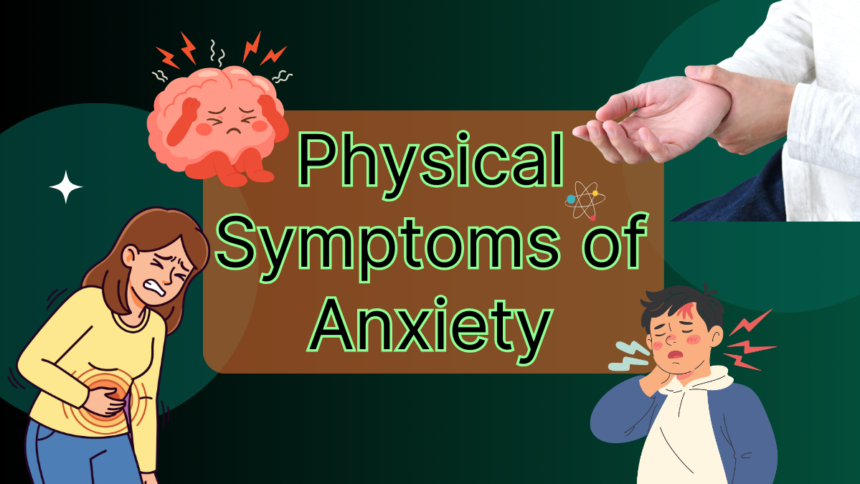
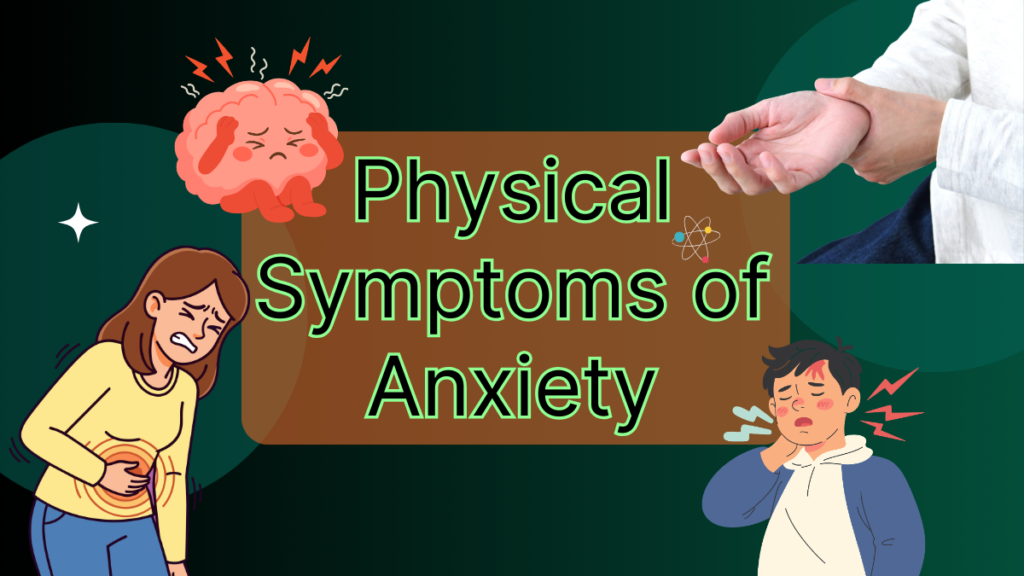
Physical Symptoms of Anxiety
Have you ever sat down to relax after a long day, only to realize your shoulders are practically touching your ears? Or maybe you’ve experienced that sudden, sharp “zing” in your chest that makes you wonder if you should be calling a doctor instead of finishing your coffee.
For many of us, anxiety isn’t just a mental state—it’s a physical intruder. We often think of anxiety as “the worries” or a racing mind, but our bodies are often the first to sound the alarm. Sometimes, the body speaks so loudly that we forget it’s our mind doing the talking. If you’ve ever felt like your body was falling apart for no logical reason, you aren’t alone.
In this comprehensive guide, we’re peeling back the layers of the physical symptoms of anxiety and offering expert tips to “Physical Symptoms of Anxiety” management so you can stop feeling like a passenger in your own skin.
1. The Biology of the Buzz: Why Does Anxiety Hurt?
To understand why your stomach does backflips or your hands shake, we have to look at the “Fight or Flight” response. This is your body’s ancient security system. When your brain perceives a threat—whether it’s a tiger in the brush or a passive-aggressive email—it floods your system with adrenaline and cortisol.
This hormonal surge is designed to make you faster and stronger. It redirects blood flow from your “non-essential” systems (like digestion) to your “survival” systems (like your heart and lungs). When this happens occasionally, it’s a life-saver. When it happens daily because of chronic stress, it leads to a laundry list of uncomfortable physical sensations.
Shutterstock
2. From Head to Toe: Common Physical Symptoms of Anxiety
Anxiety is a master of disguise. It can mimic dozens of other conditions, which is why it’s often referred to as a “great imitator.” Here is how it typically manifests across the body:
The Cardiovascular System (The Heart)
The most common report is a racing or pounding heart. You might feel “palpitations,” where it feels like your heart is skipping a beat or thumping against your ribs. This is often accompanied by a tightness in the chest that can be genuinely frightening.
The Respiratory System (The Breath)
When you’re anxious, your breathing becomes shallow and rapid (hyperventilation). This can lead to a feeling of breathlessness or a sensation that you can’t quite get a “full” lungful of air, which ironically makes the anxiety worse.
The Gastrointestinal System (The Gut)
Ever heard of the “gut-brain axis”? Your digestive tract is lined with millions of neurons. When the brain is stressed, the gut reacts. This results in the “butterflies” we all know, but it can also lead to chronic nausea, cramping, or even conditions like Irritable Bowel Syndrome (IBS).
The Musculoskeletal System (The Tension)
Anxiety keeps your muscles “primed” for action. Over time, this results in chronic tension headaches, a clenched jaw (bruxism), and that heavy, aching feeling in your neck and shoulders.
3. Anxiety vs. Physical Illness: Addressing the “What If?”
One of the biggest concerns for people experiencing these symptoms is the fear of a medical emergency. Is this a panic attack, or is it a heart attack? While you should always consult a healthcare professional to rule out underlying issues, anxiety symptoms usually have a few “tells.” Anxiety-related chest pain is often sharp and localized, whereas a cardiac event is typically described as a heavy pressure. Furthermore, anxiety symptoms tend to fluctuate with your stress levels, whereas physical illnesses often follow a more linear progression.
4. Modernizing Holistic Practice and Patient Care
In the modern landscape of 2026, we are finally seeing a shift in how we treat these somatic symptoms. We are moving away from just treating the “mind” or just treating the “body.” Modern holistic practice involves seeing the connection between the two.
Innovative patient care now utilizes digital tools to bridge the gap. For instance, mobile applications and smart devices can help individuals track their physical symptoms in real-time. By logging when your heart races or when your tension headaches occur, you and your provider can identify patterns. This “digital follow-up” ensures that treatment isn’t just a 15-minute conversation in a clinic, but a continuous journey toward well-being.
5. Practical Tips to “Physical Symptoms of Anxiety” Management
If you are ready to lower the physical volume of your anxiety, here are a few evidence-based strategies to try today:
- The 4-7-8 Breathing Technique: Inhale for 4 seconds, hold for 7, and exhale for 8. The long exhale is the “secret code” that tells your nervous system to switch from “Fight or Flight” to “Rest and Digest.”
- Progressive Muscle Relaxation: Starting at your toes, tense each muscle group for five seconds and then release. This teaches your body what “true relaxation” actually feels like.
- Temperature Grounding: If you feel a surge of physical panic, splash ice-cold water on your face or hold an ice cube. The temperature shock triggers the “mammalian dive reflex,” which naturally slows your heart rate.
- Magnesium and Nutrition: Consult with a professional about magnesium supplements. Magnesium is a natural muscle relaxant and is often depleted during times of high stress.
Conclusion: Listening to Your Body Without Fear
The physical symptoms of anxiety are uncomfortable, but they are not your enemy. They are simply your body’s way of asking for help. By understanding the biology behind the buzz and utilizing modern tips to “Physical Symptoms of Anxiety”, you can begin to calm the storm from the inside out.
Remember, you don’t have to carry this physical weight alone. Whether it’s through lifestyle changes, therapy, or modern holistic tracking tools, relief is possible. Your body is capable of finding its way back to balance—one breath at a time.
Which physical symptom do you find the most challenging to manage? Share your story in the comments below; your experience might be the exact validation someone else needs today. To receive more insights on holistic health and stress management, subscribe to our newsletter today.