


Sleep Apnea
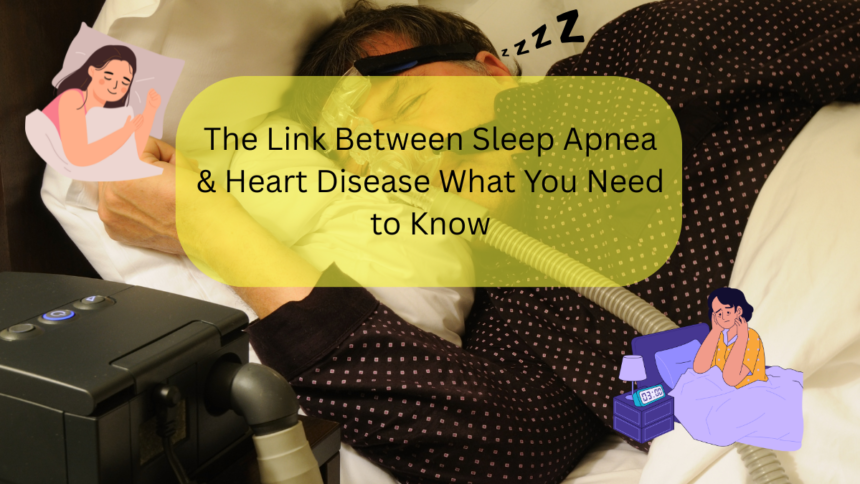
Sleep apnea isn’t just about loud snoring or waking up groggy—it’s a serious condition that can have long-term effects on your heart health. If you or a loved one suffers from sleep apnea, understanding its connection to heart disease is crucial. In this post, we’ll explore how sleep apnea impacts your cardiovascular system, the warning signs to watch for, and practical tips to reduce your risk.
What Is Sleep Apnea?
Sleep apnea is a disorder where breathing repeatedly stops and starts during sleep. The most common type, obstructive sleep apnea (OSA), occurs when throat muscles relax and block the airway. This leads to sudden drops in oxygen levels, forcing the brain to wake you up just enough to resume breathing—often without you even realizing it.
While snoring is a common symptom, sleep apnea goes beyond just noise. It disrupts your sleep cycle, strains your heart, and increases the risk of serious health complications.
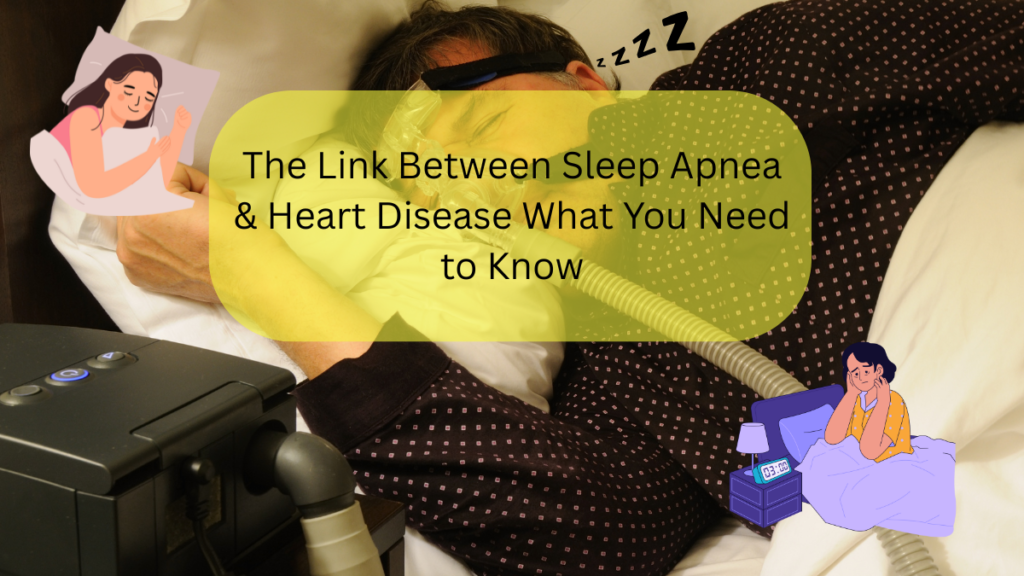
How Sleep Apnea Affects Your Heart
The relationship between sleep apnea and heart disease is well-documented. Here’s how untreated sleep apnea can harm your cardiovascular system:
1. High Blood Pressure (Hypertension)
When your breathing stops, oxygen levels drop, triggering a stress response that raises blood pressure. Over time, this constant strain can lead to chronic hypertension, a major risk factor for heart disease.
2. Increased Risk of Heart Attack & Stroke
Frequent oxygen deprivation and blood pressure spikes damage blood vessels, making them more prone to plaque buildup (atherosclerosis). This narrows arteries, increasing the risk of heart attacks and strokes.
3. Irregular Heartbeat (Arrhythmia)
Sleep apnea disrupts the normal rhythm of the heart, leading to conditions like atrial fibrillation (AFib), where the heart beats irregularly. AFib can cause blood clots, further raising stroke risk.
4. Heart Failure
The heart works harder to compensate for low oxygen levels, which can weaken it over time. Studies show that untreated sleep apnea increases the risk of heart failure by up to 140%.
Warning Signs You Shouldn’t Ignore
Many people with sleep apnea don’t realize they have it. If you experience any of these symptoms, consider getting evaluated:
- Loud, chronic snoring
- Gasping or choking during sleep
- Excessive daytime fatigue
- Morning headaches
- Difficulty concentrating
- High blood pressure
Video Credits
If you have existing heart conditions, sleep apnea can worsen them. Early diagnosis and treatment are key to protecting your heart.
Tips to Reduce the Risk of Sleep Apnea-Related Heart Disease
1. Get Diagnosed & Treated
A sleep study (polysomnography) is the gold standard for diagnosing sleep apnea. Treatment options include:
- CPAP (Continuous Positive Airway Pressure) therapy – Keeps airways open while you sleep.
- Oral appliances – Repositions the jaw to prevent airway blockage.
- Lifestyle changes – Weight loss, avoiding alcohol, and sleeping on your side can help.
2. Maintain a Healthy Weight
Obesity is a major risk factor for both sleep apnea and heart disease. Losing even 10% of body weight can significantly improve symptoms.
3. Exercise Regularly
Physical activity strengthens the heart and improves sleep quality. Aim for 30 minutes of moderate exercise most days.
4. Avoid Alcohol & Sedatives
These relax throat muscles, worsening airway obstruction. Limit consumption, especially before bed.
5. Sleep on Your Side
Back sleeping can cause the tongue to block the airway. Side sleeping helps keep airways open.
6. Manage Stress & Improve Sleep Hygiene
Chronic stress affects heart health and sleep quality. Practice relaxation techniques like meditation, deep breathing, or yoga.
When to See a Doctor
If you suspect sleep apnea—especially if you have heart disease risk factors—consult a sleep specialist or cardiologist. Early intervention can prevent complications and improve quality of life.
Final Thoughts
Sleep apnea and heart disease are closely linked, but the good news is that treating sleep apnea can significantly lower cardiovascular risks. If you’re experiencing symptoms, don’t ignore them—take action today. Your heart (and your sleep) will thank you.
Have questions or personal experiences with sleep apnea and heart health? Share them in the comments below!