




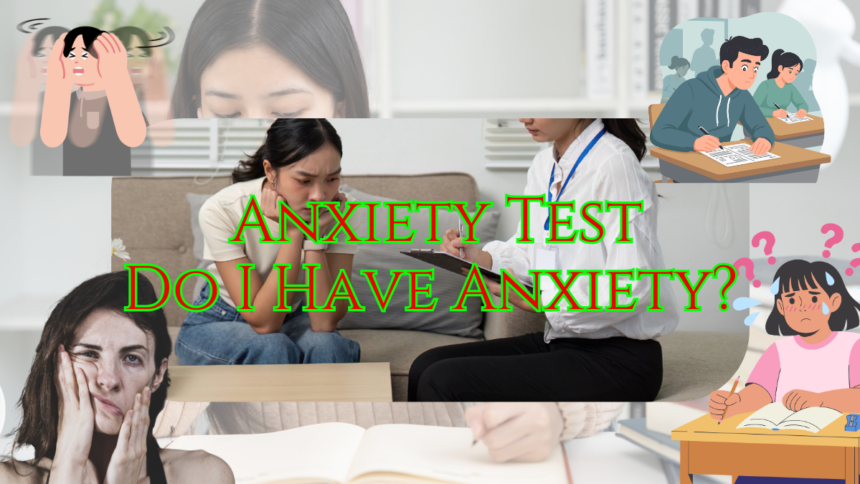
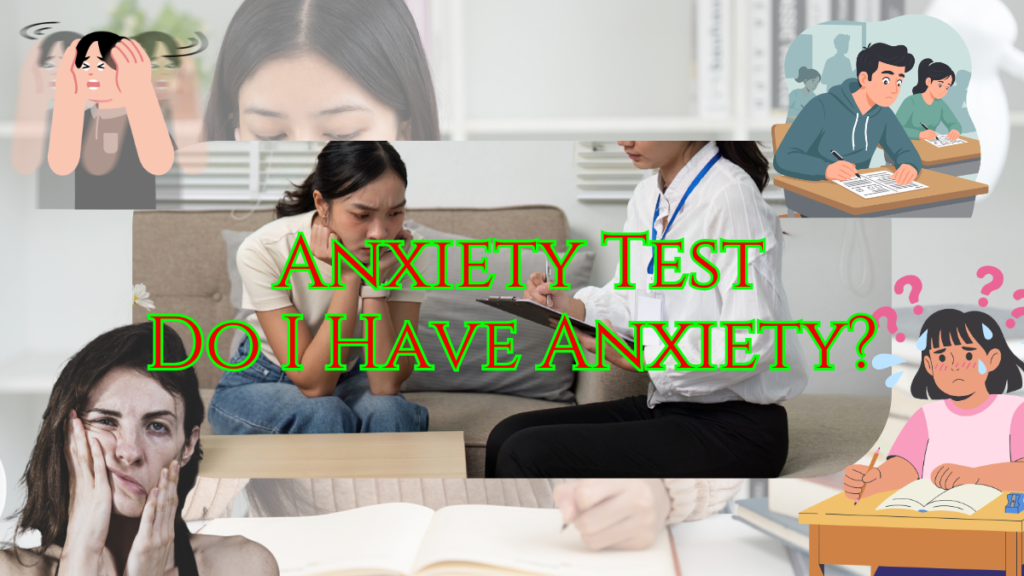
Anxiety Test : Do I Have Anxiety?
We’ve all had those nights. You’re lying in bed, the house is silent, but your mind is screaming. You start replaying a minor awkward moment from three days ago, or you find yourself spiraling into a “what-if” scenario about a project that isn’t even due for a month. You feel a strange tightness in your chest, and your breath seems to stop at your collarbone instead of filling your lungs.
In those moments, a question inevitably surfaces: Is this just stress, or is it something more?
Searching for an Anxiety Test: Do I Have Anxiety is often the first step toward clarity. It’s a sign that you’re ready to stop guessing and start understanding the “why” behind the worry. In this guide, we’ll explore how to distinguish between normal stress and an anxiety disorder, providing you with the insights and Tips to “Anxiety Test: Do I Have Anxiety” that you need to navigate your mental health journey.
Stress vs. Anxiety: What’s the Difference?
Before we look at the signs, it’s important to understand the distinction. Stress is typically a response to an external trigger—a looming deadline, a fight with a partner, or a financial hurdle. Once the trigger is gone, the stress usually subsides.
Anxiety, however, is the internal echo that remains when the room is empty. It is a persistent feeling of apprehension or dread that doesn’t always have a clear “reason.” If your “fight or flight” response is firing even when there’s no predator in sight, you’re likely dealing with anxiety.
1. The Self-Check: Common Indicators of Anxiety
While only a licensed professional can provide a clinical diagnosis, you can use these common indicators as an informal Anxiety Test: Do I Have Anxiety. Ask yourself if you have experienced the following consistently over the last six months:
The Physical Checklist
- Constant Fatigue: Do you feel exhausted even after a full night’s sleep? Anxiety keeps your body in a state of high alert, which drains your “battery” rapidly.
- Unexplained Aches: Are your shoulders always at your ears? Muscle tension, headaches, and jaw clenching are major physical red flags.
- Digestive Issues: Does your stomach feel like it’s in knots? The gut-brain connection means anxiety often manifests as nausea or discomfort.
The Mental Checklist
- Restlessness: Do you feel “keyed up” or unable to sit still?
- Difficulty Concentrating: Does it feel like your brain is “foggy” or that your thoughts are constantly jumping from one worry to the next?
- Irritability: Do you find yourself snapping at loved ones over small things because your internal “bandwidth” is full?
2. Deep Dive: Types of Anxiety to Consider
When you ask, “Do I have anxiety?”, it’s helpful to know that anxiety doesn’t look the same for everyone.
- Generalized Anxiety Disorder (GAD): Broad, persistent worry about everyday life.
- Social Anxiety: An intense fear of being judged or embarrassed in social settings.
- Panic Disorder: Sudden, intense surges of fear (panic attacks) that feel like a physical emergency.
Understanding these categories can help you provide more specific information when you eventually speak with a healthcare provider.
3. Modernizing the Path to a Diagnosis
In the past, seeking help for mental health felt like a daunting, bureaucratic process. However, modern healthcare is shifting toward a more integrated, holistic practice. We are seeing a major movement toward enhancing patient care and improving follow-ups through digital innovation.
For example, many specialized mental health clinics now utilize mobile applications to help patients track their symptoms in real-time. Instead of trying to remember how you felt three weeks ago during a 15-minute doctor’s appointment, you can show a digital log of your moods and physical sensations. This data-driven approach allows for a much more accurate Anxiety Test: Do I Have Anxiety and ensures that your treatment plan is tailored to your actual life, not just a textbook definition.
4. Tips to “Anxiety Test: Do I Have Anxiety” & Next Steps
If you’ve realized that your symptoms align with an anxiety disorder, don’t panic. Anxiety is one of the most treatable conditions in the world. Here are a few ways to move forward:
- Consult a Professional: Use standardized tools like the GAD-7 (a 7-item screening tool) with your doctor. This is the “gold standard” for an initial clinical anxiety test.
- Rule Out Physical Causes: Sometimes, thyroid issues or caffeine sensitivity can mimic anxiety symptoms. A quick blood test can provide peace of mind.
- Practice Mindfulness: Before you dive into heavy treatment, try simple grounding exercises. The 5-4-3-2-1 technique is a great way to “test” if you can manually lower your anxiety levels by focusing on your senses.
- Monitor Your Habits: Track your sleep and caffeine intake. Sometimes, “anxiety” is actually “over-stimulation.”
Conclusion: Awareness is the First Step to Peace
Taking an Anxiety Test: Do I Have Anxiety isn’t about slapping a label on yourself; it’s about gaining the vocabulary to describe your experience. Once you can name the feeling, it loses some of its power over you.
Remember, you don’t have to navigate this alone. Whether you choose to seek therapy, explore medication, or utilize modern holistic tools to track your progress, help is available. You deserve to live a life that isn’t overshadowed by a constant sense of dread.
What was the “lightbulb moment” that made you realize your stress might be anxiety? Share your story in the comments below—your experience could be the validation someone else is looking for. To get more evidence-based insights on mental wellness, subscribe to our newsletter today.