








Navigating the 2025 Flu Season in the USA: Understanding the New Strain and Natural Strategies for Relief
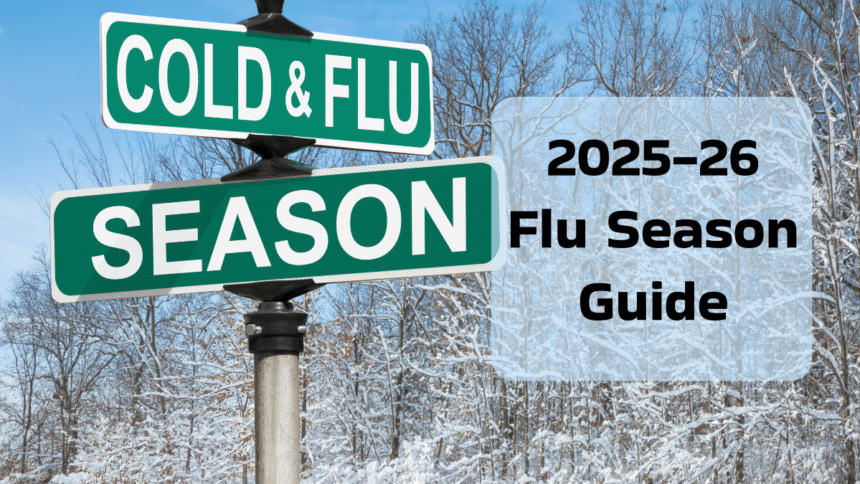
Flu Season Guide: With winter settling in, health officials across the United States are tracking a concerning rise in flu activity. A new, mutated strain of the virus is spreading, marking the start of what could be a significant flu season.
While vaccination remains our strongest defence, many are looking for supportive, natural ways to bolster their immunity and find relief from symptoms. This guide provides a detailed look at the flu influenza landscape for 2025 and offers evidence-based, natural strategies to help you and your family stay healthy.
The 2025 Flu Outlook: A Closer Look at the New H3N2 “Subclade K” Variant
Flu season in the U.S. typically peaks between December and February, and early data for the 2025-2026 season indicates an upward trend. The Centres for Disease Control and Prevention (CDC) estimates that there have already been millions of illnesses, tens of thousands of hospitalisations, and over a thousand deaths this season.
The primary driver of this activity is a specific mutated strain: the H3N2 “subclade K” variant.
- What It Is: This is a version of the influenza A H3N2 virus that has developed seven new mutations. These genetic changes mean it has “drifted” from the H3N2 strain included in this year’s flu vaccine.
- Why It’s Concerning: H3N2 strains are generally associated with more severe illness, especially for the elderly and young children. Its mutations may improve the virus’s ability to escape prior immunity, including some protection from the current vaccine.
- Where It’s Spreading: This variant is already dominant in the U.S., accounting for approximately 89% of the H3N2 viruses genetically characterised by the CDC since late September. States currently experiencing high levels of influenza-like illness include Colorado, Louisiana, New Jersey, and New York.
Despite the variant’s differences, health experts strongly stress that vaccination is still critically important. The flu shot provides substantial protection against the other strains in the vaccine (H1N1 and influenza B) and continues to reduce the risk of severe illness, hospitalisation, and death from H3N2.
Harnessing Natural Remedies for Flu Relief and Recovery
When flu symptoms strike, natural remedies can play a vital supportive role. They help manage discomfort, promote rest, and support your body’s own immune response. It’s important to view these as complementary to medical advice, not a replacement, especially for high-risk individuals.
Foundational, Evidence-Based Approaches
These core strategies are backed by both tradition and science for good reason.
- Prioritize Hydration: Fever, sweating, and congestion can lead to dehydration. Drinking ample fluids like water, herbal teas, clear broths, and coconut water keeps mucous membranes moist and helps thin mucus. A good guideline is that your urine should be pale yellow.
- Embrace Rest: This is non-negotiable. Sleep allows your immune system to focus its energy on fighting the virus. Cancel non-essential activities and allow your body the time it needs to heal.
- Consider Zinc: Research suggests that zinc supplements, when taken at the onset of symptoms, may help shorten the duration of a cold or flu. You can find zinc in lozenges or supplements, but be mindful of the recommended daily limit to avoid nausea.
- Utilize Warm Liquids: Warm broth, soup, and tea are more than just comforting. The warmth can soothe a sore throat, help break up sinus congestion, and provide easy-to-digest nutrients. Chicken soup, in particular, has been noted for its soothing properties.
Symptom-Specific Natural Relief
Targeted remedies can make you more comfortable as you recover.
- For a Sore Throat and Cough:
- Honey and Lemon: Honey has natural antibacterial properties and is a proven cough suppressant. Mixed with lemon juice (for vitamin C) in warm water, it’s a classic, effective remedy. Note: Do not give honey to children under one year old.
- Salt Water Gargle: Gargling with warm salt water several times a day can reduce throat swelling and discomfort and help clear mucus. Use about 1/2 teaspoon of salt dissolved in 8 ounces of warm water.
- For Congestion:
- Steam Inhalation: Breathing in warm, moist air from a shower, bowl of hot water, or vaporizer can loosen congestion in your nose and chest. Adding a drop or two of eucalyptus oil may provide additional relief.
- Humidify Your Air: Dry indoor air can make symptoms worse and help viruses survive longer. Using a humidifier adds moisture to the air, which can ease coughing and soothe irritated nasal passages.
- Supportive Herbs and Nutrients:
- Herbal Teas: Peppermint tea contains menthol, a natural decongestant, while ginger tea has anti-inflammatory properties.
- Vitamin C: While not a cure, vitamin C from foods like citrus fruits, berries, and leafy greens supports overall immune function.
- Garlic and Elderberry: Garlic has immune-boosting compounds, and elderberry syrup is traditionally used for its potential antiviral effects.
The following table organises these natural strategies by their primary purpose and the strength of supporting evidence.
| Primary Goal | Natural Remedy | How It Helps | Key Consideration / Evidence |
|---|---|---|---|
| Immune Support & Recovery | Zinc Supplementation | May shorten duration of viral illness. | Use at symptom onset; follow dosage guidelines. |
| Adequate Rest & Sleep | Allows immune system to focus energy on fighting infection. | Foundation of recovery; often overlooked. | |
| Symptom Relief (Throat/Cough) | Honey & Lemon | Soothes throat, suppresses cough; honey has antibacterial properties. | Do not give honey to infants <1. |
| Salt Water Gargle | Reduces throat inflammation and clears mucus. | Simple, inexpensive, and effective. | |
| Symptom Relief (Congestion) | Steam Inhalation | Loosens mucus in nasal passages and lungs. | Can provide immediate temporary relief. |
| Humidifier Use | Adds moisture to dry air, easing cough and irritation. | Addresses an environmental aggravator. | |
| Hydration & Nourishment | Warm Broths & Herbal Teas | Soothes throat, provides fluids, and offers easy nutrition. | Chicken soup is a classic remedy for good reason. |
| Consistent Fluid Intake | Prevents dehydration from fever; keeps membranes moist. | Water, coconut water, clear soups are excellent choices. |
Proactive Prevention: Habits to Build Your Defence
Prevention is always preferable to treatment. Alongside getting your annual flu shot, these daily habits can significantly reduce your risk of catching or spreading the flu influenza:
- Practice Meticulous Hand Hygiene: Wash your hands frequently with soap and water for at least 20 seconds, especially after coughing, sneezing, or being in public. If soap isn’t available, use an alcohol-based hand sanitiser.
- Stop the Spread of Germs: Cover your mouth and nose with a tissue or your elbow when you cough or sneeze. Avoid touching your eyes, nose, and mouth with unwashed hands.
- Maintain Cleaner Air: Improve indoor air ventilation by opening windows when possible, using air purifiers, or gathering outdoors. Cleaner air can reduce the concentration of viral particles.
- Adopt a Healthy Lifestyle: A balanced diet, regular exercise, adequate sleep, and stress management all contribute to a resilient immune system.
When to Seek Medical Attention
While most people recover from the flu with home care, it can lead to serious complications like pneumonia. It’s crucial to know the warning signs that require professional medical evaluation.
- Difficulty breathing or shortness of breath
- Chest pain or pressure
- Persistent dizziness, confusion, or inability to stay awake
- Severe muscle pain or weakness
- Fever or cough that improves but then returns or worsens
- In children: Bluish lips or face, rapid breathing, refusal to drink, or not interacting normally
High-risk individuals—including adults 65+, young children, pregnant women, and those with chronic conditions like asthma, diabetes, or heart disease—should contact a healthcare provider early in their illness, as antiviral medications (like Tamiflu) are most effective when started within 48 hours.
Frequently Asked Questions (FAQs)
Is the 2025 flu shot effective against the new “subclade K” variant?
While the new variant is not a perfect match to the H3N2 strain in the vaccine, the shot is still strongly recommended. It provides good protection against the other flu strains in the vaccine (H1N1 and influenza B) and, most importantly, continues to reduce the severity of illness, hospitalization, and death from H3N2 infections.
How does the 2025 flu season compare to previous years?
It’s still evolving, but early indicators are concerning. The emergence of this new, potentially more evasive H3N2 variant, combined with its rapid spread in other countries like the UK and Japan, has experts worried we may face a more severe season. The previous 2024-2025 season was already classified as “high severity”.
Are children or the elderly more at risk from this new strain?
Yes. H3N2 viruses, in general, are known to cause more severe disease across all ages, but the elderly and young children are particularly vulnerable to complications. The first pediatric flu-associated death of the 2025-2026 season was reported in early December.
What is the single most important thing I can do to protect myself?
Get vaccinated. The CDC emphasises that annual flu influenza vaccination is the best way to reduce your risk of infection and its potentially serious outcomes. Combine this with the preventive hygiene habits listed above for the best defence.
By staying informed about the current viral landscape, supporting your body with proven natural remedies, and knowing when to seek professional care, you can navigate this flu season with greater confidence and resilience.
Disclaimer: This article is for informational purposes only and is not a substitute for professional medical advice, diagnosis, or treatment. Always seek the advice of your physician or other qualified health provider with any questions you may have regarding a medical condition.