








Anxiety Vs Panic Attack
We’ve all been there—that moment when your heart starts to race and a sense of unease washes over you. But is what you’re feeling a slow-building wave of worry, or a sudden, explosive surge of terror? In the world of mental health, the terms “anxiety” and “panic” are often used interchangeably, but they are actually two very different experiences for your nervous system.
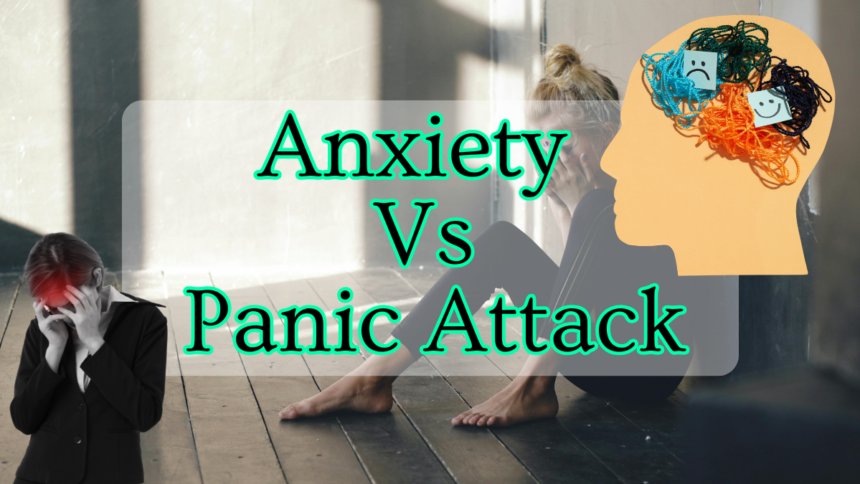
Imagine walking through a thick, heavy fog where you can’t see more than two feet in front of you; that’s anxiety. Now, imagine a sudden, violent thunderstorm that breaks out of a clear blue sky, shaking the ground beneath your feet; that’s a panic attack.
Understanding Anxiety Vs Panic Attack: Key Differences is the first step toward managing your mental well-being. When you can name exactly what is happening in your body, you strip the experience of its power. In this guide, we’ll dive into the symptoms, triggers, and essential tips for navigating both.
1. Defining the Terms: Fog vs. Fire
To understand the core of Anxiety Vs Panic Attack: Key Differences, we have to look at how they arrive and how long they stay.
What is Anxiety?
Anxiety is typically a “slow burner.” It is often linked to a specific trigger—like a deadline at work, a conflict with a friend, or financial stress. It can be persistent, lasting for days, weeks, or even months. It’s characterized by a feeling of apprehension or dread that sits in the background of your daily life.
What is a Panic Attack?
A panic attack is a sudden, intense surge of fear that peaks within minutes. It often arrives without an obvious trigger—you could be sitting on your couch watching a movie when it strikes. The physical sensations are so intense that many people believe they are having a heart attack or a medical emergency.
2. Recognizing the Signs: A Symptom Breakdown
While there is some overlap, the intensity and combination of symptoms vary significantly between the two.
Symptoms of Anxiety (The Fog)
- Muscle Tension: That constant tightness in your jaw or shoulders.
- Restlessness: Feeling “keyed up” or unable to sit still.
- Digestive Issues: A persistent “knot” in your stomach or nausea.
- Fatigue: Feeling drained because your body is constantly in a state of high alert.
- Sleep Disturbances: Difficulty falling asleep because your mind won’t stop racing.
Symptoms of a Panic Attack (The Storm)
- Hyperventilation: Rapid, shallow breathing that feels like you can’t get enough air.
- Racing Heart: Palpitations that feel like your heart is pounding out of your chest.
- Derealization: A terrifying feeling that you are detached from reality or your surroundings.
- Numbness or Tingling: Often felt in the hands, feet, or face.
- Fear of Dying: An overwhelming sense of impending doom.
3. Modernizing the Path to Peace: Holistic Integration
In 2026, we are moving away from the “one-size-fits-all” approach to mental health. Whether you are dealing with chronic anxiety or acute panic, the most effective recovery happens through a holistic practice. This means looking at the whole person—mind, body, and lifestyle.
Today, technology is actually helping us reconnect with our bodies. Specialized mental health apps are enhancing patient care and improving follow-ups by allowing users to log their symptoms in real-time. By tracking whether a symptom was a slow-build (anxiety) or a sudden spike (panic), you and your healthcare provider can build a more accurate treatment plan. This data-driven approach takes the guesswork out of recovery and ensures that your unique nervous system gets exactly what it needs.
4. Tips to “Anxiety Vs Panic Attack: Key Differences” & Management
Knowing what you’re dealing with allows you to use the right tool for the job. Here are actionable strategies for both:
How to Manage Anxiety
- Schedule “Worry Time”: Give yourself 15 minutes a day to write down your worries. Outside of that window, remind yourself that it isn’t “worry time” yet.
- Limit Caffeine: Caffeine mimics the physical jitters of anxiety. Cutting back can lower your baseline stress.
- Daily Movement: Gentle exercise like yoga or walking helps burn off the excess cortisol that fuels chronic anxiety.
How to Stop a Panic Attack
- Acknowledge the False Alarm: Tell yourself, “This is a panic attack. It is uncomfortable, but it is not dangerous, and it will pass.”
- The 5-4-3-2-1 Grounding Technique: Name 5 things you see, 4 you can touch, 3 you hear, 2 you smell, and 1 you taste. This pulls your brain out of the internal storm and back into the physical world.
- Box Breathing: Inhale for 4 seconds, hold for 4, exhale for 4, and hold for 4. This sends a physical signal to your brain to slow down.
Conclusion: You Are the Anchor
Understanding Anxiety Vs Panic Attack: Key Differences is about more than just definitions; it’s about empowerment. When you realize that anxiety is a lingering fog and panic is a passing storm, you can begin to navigate your life with more confidence. Neither experience is a sign of weakness; they are simply signals from a body that is trying to keep you safe in a chaotic world.
Whether you choose to seek therapy, explore natural remedies, or utilize modern digital tools to track your well-being, know that you don’t have to carry the weight alone. Peace is not the absence of these feelings, but the ability to remain anchored when they arise.
Which of these experiences do you find more challenging to navigate? Share your thoughts in the comments below—your story might be the exact validation someone else needs today. To receive more expert insights on mental health and holistic living, subscribe to our newsletter today.