





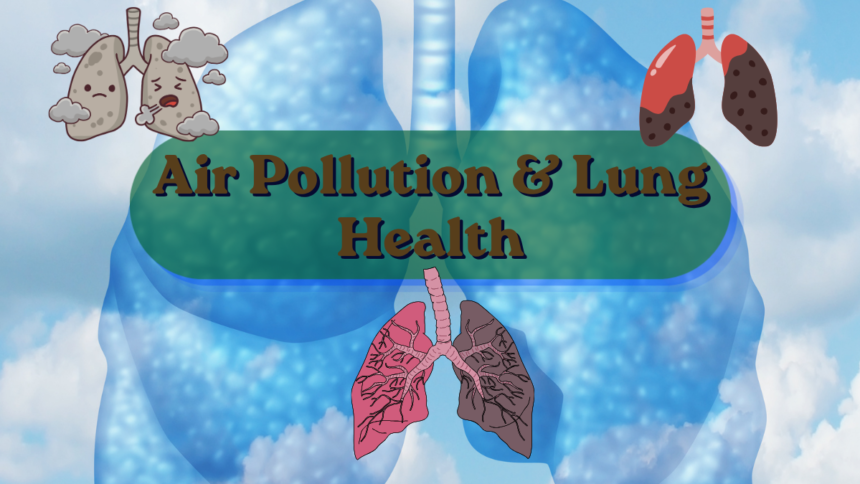
Air pollution & Lung Health
A practical, evidence-informed guide to protecting your lungs from urban air pollution — what the research says about Ayurvedic herbs, dietary strategies, and daily practices that genuinely build respiratory resilience in polluted cities
Every morning in Delhi, Mumbai, Pune, Bengaluru, and dozens of other Indian cities, millions of people step outside into air that the World Health Organisation would classify as unsafe. Not occasionally. Not during specific industrial events. Every single morning, for most of the year.
India is home to 39 of the world’s 50 most polluted cities according to IQAir’s 2023 World Air Quality Report. Delhi regularly records PM2.5 concentrations — the fine particulate matter most deeply associated with lung and cardiovascular disease — that are 10 to 20 times the WHO guideline of 5 micrograms per cubic metre during winter months. But the crisis is not limited to the capital. Kolkata, Patna, Lucknow, Faridabad, and dozens of smaller cities register chronic PM2.5 levels that would trigger public health emergencies in Western countries. Mumbai and Bengaluru, often considered more liveable, still routinely exceed safe levels — particularly during festival seasons, construction surges, and weather inversions that trap pollutants close to the ground. Air Pollution & Lung Health
The health consequences of this chronic exposure are not distant or theoretical. The Global Burden of Disease study attributes approximately 1.67 million deaths in India annually to ambient and household air pollution. Air pollution is now the second leading risk factor for premature death in India, behind only dietary risks. It contributes to chronic obstructive pulmonary disease (COPD), lung cancer, asthma, cardiovascular disease, stroke, cognitive decline, adverse birth outcomes, and a broad inflammatory burden that accelerates virtually every chronic disease process. Air Pollution & Lung Health
The people most exposed — those who commute by two-wheeler, walk to work, live near high-traffic roads or industrial zones, or spend long hours outdoors — have limited ability to simply relocate or eliminate the exposure. What they can do is build the most robust possible physiological defence against it. And this is where the confluence of Ayurvedic wisdom and modern respiratory science becomes genuinely compelling. Air Pollution & Lung Health
What Air Pollution Actually Does to Your Lungs and Body
Understanding the specific mechanisms of air pollution damage is important because it shapes the logic of the protective interventions that follow. Air Pollution & Lung Health
PM2.5 — particulate matter with an aerodynamic diameter of 2.5 micrometres or less — is the fraction most associated with serious health harm because particles of this size penetrate past the upper respiratory tract’s filtering mechanisms and deposit in the alveoli, the tiny air sacs of the deepest lung. There, they cannot be expelled by mucociliary clearance (the mucus-and-cilia escalator that removes coarser particles from the airways) and instead trigger a sustained inflammatory response. Alveolar macrophages — the immune cells responsible for clearing foreign particles from the deep lung — engulf PM2.5 particles but cannot degrade them, generating reactive oxygen species (ROS) and inflammatory cytokines in the process. This chronic oxidative stress and inflammation drives structural lung damage, reduces lung function over time, and — in sufficient cumulative doses — promotes malignant transformation.Air Pollution & Lung Health
Ultrafine particles (PM0.1, less than 0.1 micrometres) are even more concerning. At this scale, particles can translocate from the lung into the systemic circulation — the same route demonstrated for microplastics — reaching the heart, brain, and other organs directly. This is the primary mechanism through which air pollution drives cardiovascular disease: not just lung inflammation but direct particle-induced vascular damage, endothelial dysfunction, and platelet activation. Air Pollution & Lung Health
Beyond particulate matter, urban air contains a complex chemical mixture: nitrogen dioxide (NO2) from vehicle exhaust, ozone, sulphur dioxide, volatile organic compounds (VOCs), polycyclic aromatic hydrocarbons (PAHs, many of which are carcinogenic), heavy metals including lead, cadmium, and arsenic from industrial and traffic emissions, and — in Indian cities during winter and festival seasons — wood smoke, crop residue burning emissions, and fireworks particulate matter. Air Pollution & Lung Health
The compound effect of chronic daily exposure to this mixture is an ongoing oxidative and inflammatory assault on the airways, lung tissue, cardiovascular system, and brain. The body’s antioxidant systems — glutathione, superoxide dismutase, catalase, vitamin C and E networks — are in continuous response to this burden. When dietary antioxidant intake is insufficient or the exposure load is too high, the defence is overwhelmed, and cumulative damage accumulates. Air Pollution & Lung Health
This is the biological context within which Ayurvedic herbs and anti-inflammatory nutrition become directly relevant — not as alternative medicine gestures, but as evidence-consistent support for specific, identified mechanisms of harm. Air Pollution & Lung Health
The Ayurvedic Framework: Pranavaha Srotas and Lung Protection
Ayurveda classifies the respiratory system under Pranavaha Srotas — the channels through which prana (vital breath and life force) flows. Disorders of these channels are among the most extensively described conditions in classical Ayurvedic texts, and the materia medica for respiratory health is correspondingly rich. Classical formulations like Sitopaladi Churna, Talisadi Churna, Vasavaleha, and Chyawanprash were developed for precisely this domain — protecting and restoring the respiratory tract. Air Pollution & Lung Health
What is remarkable from a modern pharmacological perspective is how consistently the active compounds in Ayurvedic respiratory herbs map onto the specific mechanisms of air pollution damage: anti-inflammatory activity, antioxidant protection, mucolytic and expectorant effects, bronchodilation, antimicrobial defence, and immune modulation. This is not coincidence — it reflects millennia of empirical observation about what works for the respiratory tract, expressed in a different conceptual language from modern medicine but pointing at overlapping biological targets. Air Pollution & Lung Health
The Herbs: Evidence-Informed Ayurvedic Lung Protection
Tulsi (Ocimum tenuiflorum) — The Air Purifier You Can Eat
Tulsi has been described extensively in earlier articles in this series for its broad medicinal properties, but its specific relevance to air pollution and lung health deserves dedicated attention. Its primary bioactive compounds — eugenol, rosmarinic acid, ursolic acid, and a rich ensemble of volatile essential oils — address air pollution damage through multiple simultaneous pathways. Air Pollution & Lung Health
Eugenol is a potent COX-2 inhibitor — blocking the same enzyme targeted by anti-inflammatory drugs like ibuprofen, but without gastrointestinal side effects at culinary doses. In the context of pollution-induced airway inflammation, this anti-inflammatory activity is directly relevant. Rosmarinic acid inhibits the complement system and reduces histamine-mediated airway reactivity — important for the allergic and reactive airway responses that pollution exacerbates. Ursolic acid has demonstrated direct inhibition of NF-κB — the master transcription factor of inflammatory gene expression — reducing the cytokine cascade triggered by PM2.5 exposure.
A particularly interesting study published in Environmental Science and Pollution Research found that tulsi plants absorb PM2.5 particles from ambient air — they are literally air filters growing in your home or garden. The research documented that tulsi’s leaf surface characteristics make it particularly effective at trapping fine particulate matter, providing a passive environmental benefit alongside the active biological benefits of consuming the herb. Air Pollution & Lung Health
For urban dwellers, daily tulsi consumption — as fresh leaves, tea, or standardised extract — combined with growing tulsi plants around the home and entrance (a practice with both spiritual and environmental rationale in Indian culture) represents a comprehensive, multi-pathway protective strategy.
Turmeric and Piperine — The Anti-Inflammatory Core
The case for turmeric as a central pollution-protective herb rests on curcumin’s potent and well-documented anti-inflammatory and antioxidant activity, detailed in previous articles. In the specific context of air pollution, several additional dimensions are relevant. Air Pollution & Lung Health
A 2015 study in Particle and Fibre Toxicology found that curcumin pretreatment significantly attenuated PM2.5-induced oxidative stress and inflammatory cytokine production in human lung epithelial cells — providing direct in vitro evidence for the relevance of curcumin to pollution-specific mechanisms. Animal studies have shown that curcumin supplementation reduces PM-induced lung inflammation, prevents alveolar macrophage activation, and preserves lung function parameters following pollution exposure. Air Pollution & Lung Health
Curcumin also upregulates Nrf2 — a master transcription factor that activates the body’s endogenous antioxidant defence systems including glutathione synthesis, heme oxygenase-1, and superoxide dismutase. This Nrf2 activation is particularly valuable for pollution defence because it amplifies the body’s own protective mechanisms rather than simply substituting for them. Air Pollution & Lung Health
The critical pairing with piperine — black pepper — for bioavailability enhancement (up to 2,000% increase in curcumin absorption) should always be observed in both culinary and supplemental use. Golden milk with turmeric, black pepper, and fat in warm milk before bed is not just a wellness trend — it is a pharmacologically coherent Nrf2-activating, anti-inflammatory protocol. Air Pollution & Lung Health
Pippali (Piper longum) — The Respiratory Specialist
Pippali — long pepper — is less internationally known than its relatives black pepper and chilli, but it occupies a uniquely important position in Ayurvedic respiratory medicine. It is the primary ingredient in classical Ayurvedic respiratory formulations including Sitopaladi Churna and Trikatu, and modern pharmacological research has provided compelling justification for this traditional emphasis. Air Pollution & Lung Health
Piperine and related alkaloids in pippali have demonstrated bronchodilatory effects in animal studies — relaxing bronchial smooth muscle and reducing airway resistance in a manner relevant to pollution-induced bronchospasm and reactive airway disease. Pippali has also shown direct anti-inflammatory activity in lung tissue, with studies demonstrating reduction in pro-inflammatory cytokines including IL-1β, TNF-α, and IL-6 in pulmonary inflammation models. Air Pollution & Lung Health
Uniquely among Ayurvedic herbs, pippali is also classified as a Yogavahi — a substance that enhances the bioavailability of other herbs taken with it. Its inclusion in compound Ayurvedic formulations is therefore both therapeutically active and synergistically amplifying. For pollution protection, pippali-based formulations including Sitopaladi Churna (a classical blend of long pepper, cardamom, cinnamon, bamboo manna, and raw sugar) are among the most practically useful traditional preparations.
Vasaka (Adhatoda vasica) — The Mucolytic Powerhouse
Vasaka — Malabar nut tree — is Ayurveda’s most celebrated herb for the respiratory tract, and arguably the one with the most direct and substantial pharmacological evidence for pulmonary applications. Its primary bioactive alkaloid, vasicine, is the botanical precursor from which the synthetic drug bromhexine — a widely prescribed mucolytic and expectorant — was developed. This drug-herb lineage makes vasaka’s biological activity unusually well-established.
Vasicine and its oxidation product vasicinone exert bronchodilatory, mucolytic (breaking down mucus), and expectorant (facilitating expectoration) effects that are directly relevant to the chronic mucus production and airway congestion that pollution drives. For city dwellers who experience chronic morning cough, persistent post-nasal drip, or the feeling of airways that never quite clear — all pollution-associated symptoms — vasaka is one of the most targeted herbs available.
Additionally, vasicine has demonstrated inhibitory effects on airway mast cells and eosinophils — the immune cells most directly responsible for allergic airway inflammation. Its anti-asthmatic and anti-bronchitic properties have been validated in multiple clinical studies. Vasaka is available as a juice from fresh leaves (the traditional preparation), as a standardised extract in tablets, and as a component of compound formulations.
Licorice Root (Yashtimadhu / Mulethi) — The Airway Soother
Mulethi’s anti-inflammatory, demulcent, and antiviral properties have been detailed in earlier articles. In the pollution context, its specific relevance is the soothing and protective effect of glycyrrhizin on the airway mucosal lining — the first physical barrier against inhaled pollutants. Pollution exposure damages airway epithelial cells and reduces the integrity of the mucosal barrier, allowing pollutant particles and chemicals to penetrate more deeply and trigger more severe inflammatory responses.
Mulethi’s demulcent properties coat and soothe irritated mucosal surfaces, its anti-inflammatory compounds reduce epithelial inflammation, and its demonstrated antiviral activity provides additional protection against the respiratory viral infections to which pollution-compromised airways are more susceptible. A daily mulethi tea or inclusion in kadha during high-pollution days or seasons is a well-reasoned protective strategy.
Ginger — The Systemic Anti-Inflammatory
Fresh ginger’s anti-inflammatory and antioxidant properties through gingerols and shogaols complement the other herbs in a pollution-protective protocol. Studies have specifically demonstrated ginger’s inhibitory effects on PM2.5-induced oxidative stress in respiratory cells, and its NF-κB inhibitory activity parallels that of turmeric in reducing the inflammatory cascade. Practically, fresh ginger in daily cooking, ginger tea, and kadha preparations provides consistent low-level anti-inflammatory support at no additional cost to a typical Indian household.
Chyawanprash — The Classical Pollution-Protective Formulation
Chyawanprash deserves particular mention as a compound Ayurvedic formulation whose classical composition is remarkably well-suited to urban pollution defence. Based on a foundation of amalaki (Indian gooseberry, amla) — which has the highest natural vitamin C concentration of any food (600–1800mg per 100g, compared to 50mg per 100g in oranges) — and containing over 40 additional herbs including ashwagandha, pippali, cardamom, cinnamon, and sesame oil, chyawanprash provides simultaneous antioxidant loading, immunomodulation, respiratory support, and adaptogenic protection.
A 2012 clinical study found that regular chyawanprash consumption significantly improved measures of immune function and reduced the frequency of respiratory infections — directly relevant to the immune-compromised respiratory epithelium of pollution-exposed urban residents. The combination of amla’s exceptional vitamin C content (a critical cofactor for glutathione regeneration and collagen synthesis in airway tissue) with the broncho-protective and anti-inflammatory herbs in the formulation makes chyawanprash one of the most clinically coherent daily supplements available for Indian city dwellers. One teaspoon in the morning with warm milk is the classical recommendation.
Dietary Strategy: Feeding Your Lung Defences
The Anti-Pollution Plate
The dietary approach to pollution protection is fundamentally an anti-inflammatory, antioxidant-dense, Nrf2-activating nutritional strategy. This means maximising dietary diversity in plant foods — the “eat the rainbow” principle — to ensure a broad spectrum of protective phytochemicals.
Foods with specific evidence for air pollution mitigation or respiratory protection include cruciferous vegetables — broccoli, cauliflower, kale, and especially broccoli sprouts, which contain sulforaphane, one of the most potent known Nrf2 activators. A landmark 2014 randomised controlled trial conducted in China (Qidong, a region with severe air pollution) found that daily broccoli sprout beverage consumption increased the urinary excretion of benzene — a known carcinogen abundant in urban air — by 61% and of acrolein (a lung-damaging aldehyde from combustion) by 23%. This is not a theoretical mechanism — it is a measured, clinically significant increase in pollutant excretion from a dietary intervention.
Tomatoes provide lycopene, which has demonstrated specific protective effects against ozone-induced lung damage and has been associated with slower rate of lung function decline in epidemiological studies. Walnuts, flaxseeds, and fatty fish provide omega-3 fatty acids that reduce pulmonary inflammation. Beetroot provides dietary nitrates that convert to nitric oxide in the body, promoting bronchodilation and improving vascular function. Green tea provides EGCG — epigallocatechin gallate — with documented protective effects against PM-induced oxidative stress in lung tissue.
Adequate vitamin C from fresh amla, guava, and citrus supports collagen synthesis in airway tissue and serves as a first-line antioxidant in the airway lining fluid — the first aqueous barrier encountered by inhaled reactive species. Selenium from Brazil nuts, sunflower seeds, and fish supports glutathione peroxidase — the enzyme that neutralises lipid peroxides produced by PM2.5 exposure. Magnesium from leafy greens, pumpkin seeds, and whole grains has demonstrated bronchodilatory properties and is associated with reduced asthma severity in epidemiological research.
Daily Practices: Building a Pollution-Protective Routine
Nasya — Nasal Oil Application
Nasya — the Ayurvedic practice of applying oil to the nasal passages — is one of the most practically intelligent traditional practices for urban pollution defence, and its rationale is straightforwardly physical as well as pharmacological. The nasal passages are the respiratory system’s first filtration and conditioning stage, lined with mucous membrane and cilia that trap inhaled particles. Applying a few drops of sesame oil or dedicated Ayurvedic nasya oil to the nasal passages in the morning before going outdoors creates an additional adhesive barrier on the nasal mucosa — increasing particle trapping efficiency and providing the anti-inflammatory and antimicrobial properties of the oil base and any herbal additions.
Anu Taila — a classical Ayurvedic nasal oil containing sesame oil infused with numerous herbs — is the traditional nasya preparation. Plain sesame oil is a practical and effective alternative. Two to four drops in each nostril, applied by lying back with the head extended and sniffing gently, performed in the morning before outdoor exposure and again in the evening after returning home. This practice is simple, inexpensive, and physiologically well-reasoned.
Pranayama — Breathing Exercises for Lung Strengthening
Pranayama — yogic breathing practices — offers multiple benefits for pollution-exposed urban lungs. Anuloma Viloma (alternate nostril breathing) promotes balanced airway function and has demonstrated parasympathetic nervous system activation, reducing airway reactivity. Kapalabhati (rapid forceful exhalations) strengthens the respiratory muscles and promotes clearance of retained secretions from the airways — a form of active respiratory physiotherapy accessible without any equipment. Bhramari (humming bee breath) generates nitric oxide in the nasal passages — nitric oxide being both a bronchodilator and a potent antiviral and antimicrobial agent that is literally exhaled from the paranasal sinuses during humming.
A consistent 15–20 minute pranayama practice — performed in a well-ventilated indoor space or outdoors during lower-pollution periods (early morning before traffic builds, or following rain) — builds respiratory reserve, improves mucociliary clearance, and reduces the anxiety and sympathetic activation that pollution-related respiratory symptoms often provoke.
Steam Inhalation with Medicinal Additions
Steam inhalation is one of the most ancient and cross-culturally universal respiratory practices — and one of the best-supported by modern understanding of mucociliary function. Steam moistens and warms the airways, liquefies viscous mucus to facilitate clearance, and when medicated with appropriate additions, delivers pharmacologically active volatile compounds directly to the respiratory epithelium.
Additions with specific respiratory evidence include: ajwain (carom seeds), which release thymol — a potent bronchodilator and antimicrobial — on heating; eucalyptus oil (2–3 drops), with documented mucolytic and anti-inflammatory properties; tulsi leaves; and fresh ginger. A bowl of hot water with these additions, covered with a towel, for five to ten minutes, provides immediate symptom relief for congested and irritated airways and promotes efficient clearance of accumulated pollutant-laden mucus. This practice is most valuable in high-pollution seasons and after high-exposure days.
Timing Outdoor Activity Strategically
Air quality follows predictable daily patterns in most Indian cities. PM2.5 and NO2 concentrations are typically highest during morning and evening commute hours, during temperature inversions (early morning in winter when cold air traps pollutants near the ground), and in the weeks following Diwali. They are typically lower in the middle of the day (when solar radiation promotes photochemical dispersion and vertical mixing), immediately after rainfall (which washes particles from the air), and in open parks and green areas away from traffic.
Scheduling outdoor exercise — a respiratory health priority in its own right — during lower-pollution windows, choosing routes through parks and tree-lined streets over major traffic arteries, and wearing a well-fitting N95 mask during unavoidably high-exposure commutes (particularly relevant during winter pollution spikes) are practical behavioural strategies that meaningfully reduce daily particulate inhalation dose.
Indoor Air Quality Management
Given that most urban Indians spend 80–90% of their time indoors, indoor air quality is at least as important as outdoor air quality for total pollution exposure. Indoor PM2.5 concentrations in Indian urban homes — particularly those using gas cooking, incense, mosquito coils, or located near major roads — can rival or exceed outdoor concentrations.
HEPA air purifiers in bedrooms and main living areas provide the most effective indoor particle reduction available — with well-documented capacity to reduce indoor PM2.5 by 50–80% in studies conducted in Indian urban homes. During high-pollution seasons, keeping windows closed during peak outdoor pollution periods while using air purification is preferable to natural ventilation. Avoiding indoor pollution sources — replacing incense sticks with essential oil diffusers or fresh flowers, switching from mosquito coils to plug-in repellents, improving kitchen ventilation, and avoiding smoking indoors — reduces the baseline indoor pollution load that the respiratory system manages around the clock.
Growing air-purifying indoor plants — tulsi, areca palm, peace lily, spider plant — provides both particulate filtration (though to a lesser degree than HEPA filters) and the psychological and physiological benefits of a greener indoor environment.
The Honest Bottom Line
Living in an Indian city in 2026 means accepting a baseline level of air pollution exposure that is, frankly, incompatible with the WHO’s definition of safe air. Systemic change — cleaner vehicle standards, industrial emission controls, agricultural burning regulation, renewable energy transition — is the only complete solution, and it is necessary. But it is also slow, contested, and outside the control of any individual.
What is within your control is the physiological resilience you bring to the exposure. Daily tulsi and chyawanprash. Turmeric with black pepper and fat. Vasaka and pippali formulations during high-pollution seasons. A diet centred on diverse, colourful, antioxidant-dense whole foods. Nasya oil before going outdoors. Pranayama in clean air. Strategic timing of outdoor activities. A HEPA purifier running through the night while you sleep and recover.
None of these steps eliminates the risk of chronic pollution exposure. Together, they substantially reduce the oxidative and inflammatory burden it imposes — supporting the lung tissue, the immune defences, and the antioxidant systems that stand between you and the air quality data you checked on your phone this morning.
Breathe as well as you possibly can, in a city that is slowly learning to deserve it.
Did this guide give you something actionable to work with? Share it with every city dweller you know — this information deserves a wide audience. Leave a comment with your own pollution-protective practices, or subscribe to our newsletter for more evidence-informed health writing rooted in both modern science and the wisdom of Indian traditional medicine.