







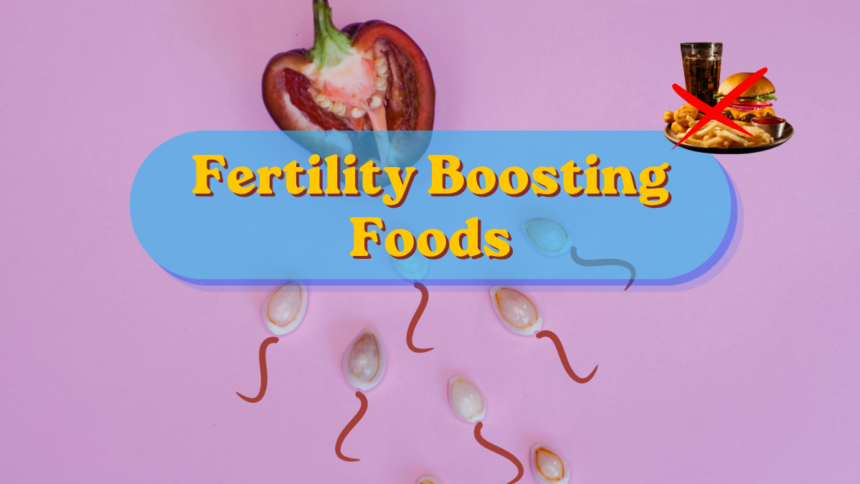
Fertility boosting foods
A warm, evidence-informed guide to nourishing your body for conception — what to eat, which traditional herbs have genuine research behind them, and how to build the foundation for a healthy pregnancy
She had been trying for fourteen months. Every cycle brought the same careful routine — the temperature tracking, the ovulation tests, the hopeful two-week wait, and then the quiet disappointment that had become so familiar it had almost stopped hurting, except that it had not stopped hurting at all. Her gynaecologist had run the standard tests and found nothing dramatically wrong. “Unexplained subfertility,” the report said a clinical term that felt more frustrating than an actual diagnosis, because it offered no clear path forward.
A friend suggested she speak to an Ayurvedic practitioner. She was sceptical but desperate enough to try. The practitioner spent ninety minutes with her asking not just about her cycle but about her sleep, her stress levels, her digestion, her relationship with food, her emotional landscape. She prescribed dietary changes, specific herbs, stress practices, and adjustments to daily routine. She also recommended that her husband be assessed and supported simultaneously something the conventional fertility pathway had not emphasised.
Six months later, they were expecting.
Is this a story about Ayurveda performing a miracle? No. It is a story about comprehensive, whole-person attention to the conditions that make conception possible and about the fact that nutrition, herbs, stress, and lifestyle genuinely influence reproductive biology in ways that the conventional medical system often underweights in cases of unexplained subfertility. The science supports this more than most people realise. And it deserves to be told clearly.
Fertility Is a Whole-Body State, Not Just a Reproductive Event
One of the most important reframings in modern reproductive medicine is the shift from thinking of fertility as a specific reproductive function to understanding it as an expression of overall physiological health. The body does not distinguish between “reproductive health” and “general health.” The same systems hormonal regulation, metabolic function, inflammatory balance, oxidative stress management, nutrient status, circadian rhythmicity, and stress response that govern overall wellbeing also govern the quality of eggs and sperm, the hormonal orchestration of ovulation, the receptivity of the uterine lining, and the early conditions of embryonic development.
This means that the most powerful fertility intervention available — before any pharmaceutical or assisted reproductive technology is the comprehensive optimisation of the physiological environment in which conception is asked to happen. Nutrition, Ayurvedic herbs, sleep, stress management, and the reduction of environmental toxins are not peripheral lifestyle factors for the fertility journey. They are the foundation.
Both partners matter equally. Male factor infertility or subfertility accounts for approximately 40–50% of all cases of couple infertility. Sperm quality motility, morphology, count, and DNA fragmentation is profoundly influenced by nutrition, oxidative stress, heat, alcohol, smoking, and psychological stress. Any fertility optimisation strategy that focuses exclusively on the woman while ignoring the man is addressing, at best, half the picture.
The Fertility Diet: What the Research Supports
Antioxidants: Protecting Eggs and Sperm From Oxidative Damage
Oxidative stress an imbalance between free radical production and antioxidant defence is one of the most consistently identified mechanisms of both egg quality impairment and sperm damage in the fertility literature. Free radicals damage DNA, cell membranes, and mitochondria and since eggs and sperm are particularly vulnerable to oxidative damage (eggs contain the highest mitochondrial density of any human cell), antioxidant status is directly relevant to fertility outcomes.
Foods richest in fertility-relevant antioxidants include berries (blueberries, strawberries, amla Indian gooseberry which has one of the highest vitamin C concentrations of any food), dark leafy greens (spinach, methi, moringa), tomatoes (lycopene, particularly relevant for sperm quality), pomegranate (punicalagins with potent antioxidant and anti-inflammatory activity), walnuts (alpha-linolenic acid plus polyphenols), dark chocolate (flavanols in modest amounts), and colourful vegetables across the spectrum. The practical goal is what researchers call “eating the rainbow” maximising the diversity of plant pigments, each representing a different class of protective compounds.
Specific antioxidants with direct fertility research behind them include Coenzyme Q10 (CoQ10), which supports mitochondrial function in eggs and has demonstrated improvements in egg quality in women with diminished ovarian reserve in clinical trials; vitamin C and vitamin E, which together reduce sperm DNA fragmentation in men; lycopene from tomatoes, which multiple studies have associated with improved sperm morphology and motility; and N-acetyl cysteine (NAC), a precursor to glutathione that has shown benefits for PCOS-related fertility and sperm parameters.
Healthy Fats: The Hormonal Foundation
Steroid hormones including oestrogen, progesterone, testosterone, and DHEA are synthesised from cholesterol and fatty acids. The type and quality of dietary fat therefore directly influences the raw material available for hormone production. Omega-3 fatty acids, particularly DHA and EPA from oily fish, walnuts, and flaxseeds, are consistently associated with improved fertility outcomes in both sexes. In women, omega-3 status influences ovarian blood flow, oocyte quality, and the anti-inflammatory environment essential for implantation. In men, DHA is the predominant fatty acid in the sperm cell membrane its availability directly influences sperm motility and morphological integrity.
The Harvard Nurses’ Health Study one of the largest and longest-running studies on women’s health and fertility identified trans fats as particularly detrimental to ovulatory function, with even small increases in trans fat intake associated with significantly higher risk of ovulatory infertility. Eliminating commercially produced trans fats (found in many packaged snacks, fried foods, and vanaspati) and replacing them with omega-3-rich and monounsaturated fat sources (olive oil, avocado, ghee in moderate amounts, nuts) represents one of the most direct dietary interventions for hormonal and reproductive health.
Complex Carbohydrates and Insulin Sensitivity
The Harvard Nurses’ Health Study researchers, particularly Dr. Jorge Chavarro and Dr. Walter Willett in their landmark book The Fertility Diet, identified the glycaemic quality of carbohydrate intake as a significant predictor of ovulatory fertility. High-glycaemic diets driving repeated insulin spikes through rapidly digested refined carbohydrates promote insulin resistance and hyperinsulinaemia, which in turn disrupts the delicate hormonal cascade governing ovulation through effects on LH secretion, androgen production, and SHBG (sex hormone-binding globulin) levels.
Replacing refined carbohydrates (white rice, maida, packaged snacks, sugary drinks) with slow-digesting complex carbohydrates whole grains like oats, barley, bajra, ragi, and brown rice; legumes; root vegetables improves insulin sensitivity and restores hormonal balance in ways that directly support ovulatory regularity. This is particularly relevant for women with PCOS, where insulin resistance is a central pathological mechanism.
Protein Quality Matters
The Fertility Diet research found an intriguing pattern: replacing a modest proportion of animal protein (particularly red and processed meat) with plant protein sources was associated with significantly reduced risk of ovulatory infertility. Dal, rajma, chana, tofu, and paneer offer high-quality protein alongside phytonutrients and fibre that support hormonal balance. For men, adequate protein intake supports testosterone production and the cellular machinery of sperm production — with animal proteins providing complete amino acid profiles and plant proteins contributing anti-inflammatory and antioxidant benefits when included diversely.
Key Micronutrients for Conception
Folate found in dark leafy greens, legumes, and fortified foods is the most critical preconception nutrient for women, essential for neural tube development in early pregnancy (often before a woman knows she is pregnant). Most guidelines recommend 400–800mcg of supplemental folic acid or methylfolate starting at least one month before conception. Iron status is strongly associated with ovulatory fertility in the Nurses’ Health Study — with women in the highest quintile of non-haeme iron intake (from plant sources and supplements) showing significantly lower rates of ovulatory infertility. Zinc is essential for testosterone synthesis, sperm production, and egg maturation found in pumpkin seeds, legumes, eggs, and meat. Vitamin D deficiency is associated with both male and female infertility, PCOS severity, and implantation failure — supplementation to optimal levels (not just the deficiency threshold) is warranted in most Indians given widespread deficiency. Iodine is essential for thyroid function, which directly regulates reproductive hormone balance and early embryonic development.
Ayurvedic Herbs for Fertility: What the Science Actually Shows
Ayurveda’s approach to fertility called Vajikarana is one of the eight classical branches of Ayurvedic medicine, specifically dedicated to reproductive health, vitality, and the optimisation of conditions for conception and healthy offspring. The herbs used in Vajikarana have been the subject of increasing modern pharmacological investigation, with several now having meaningful human clinical data behind them.
Shatavari (Asparagus racemosus) — The Female Fertility Herb
Shatavari — whose name translates as “she who possesses a hundred husbands,” reflecting its Ayurvedic reputation for reproductive vitality — is the pre-eminent women’s reproductive herb in the Indian tradition. Its primary bioactive compounds include steroidal saponins (shatvarins), isoflavonoids, and polysaccharides that demonstrate oestrogenic activity, adaptogenic properties, and direct effects on reproductive hormone balance.
Modern research has demonstrated that shatavari extracts promote follicular development, support LH surge and ovulation, improve uterine receptivity, and exert galactogenic effects (supporting breast milk production postnatally). A study published in the African Journal of Biotechnology found that shatavari administration significantly increased LH levels and improved ovarian follicle maturation in experimental models. Its adaptogenic properties — reducing cortisol and supporting HPA axis regulation — are also directly relevant to fertility, given the well-documented suppressive effects of chronic stress on reproductive hormone production.
Shatavari is considered safe and appropriate for most women as a tonic herb throughout the preconception period and early pregnancy under guidance, typically taken as a churna (powder) in warm milk with honey, or as a standardised capsule extract. Women with oestrogen-sensitive conditions should consult a practitioner before use.
Ashwagandha (Withania somnifera) — The Stress-Fertility Bridge
The relationship between chronic stress and fertility is one of the most robustly documented in reproductive medicine. Chronic HPA axis activation — sustained cortisol and CRH elevation — suppresses GnRH pulsatility from the hypothalamus, reducing FSH and LH secretion and disrupting the hormonal cascade that governs ovulation and testosterone production. In practical terms: chronic stress impairs fertility in both men and women through direct neuroendocrine mechanisms, not just through behavioural pathways.
Ashwagandha Ayurveda’s premier adaptogen has demonstrated consistent cortisol-reducing and stress-buffering effects in multiple human clinical trials. Its direct effects on male fertility are particularly well-evidenced: a landmark 2010 study in Fertility and Sterility found that ashwagandha supplementation in infertile men significantly improved sperm count, motility, morphology, and seminal antioxidant capacity while simultaneously reducing cortisol and oxidative stress markers. A follow-up study found that ashwagandha improved testosterone levels and LH in men with reproductive hormone imbalances. Fertility boosting foods
For women, ashwagandha’s stress-reducing properties address one of the most common and underappreciated fertility disruptors. Its thyroid-modulating activity supporting T4 to T3 conversion is additionally relevant given the high prevalence of subclinical hypothyroidism in women of reproductive age and its direct impact on fertility. Standard dosing is 300–600mg of standardised root extract daily. Fertility boosting foods
Shatavari and Ashwagandha Together: The Fertility Combination
In classical Ayurvedic formulations, shatavari and ashwagandha are frequently prescribed together shatavari as a oestrogenic and uterine tonic, ashwagandha as a stress adaptogen and testosterone/vitality support. This combination addresses both the hormonal and the stress dimensions of reproductive health simultaneously. For couples where stress is a significant factor, this combination has a particularly strong rationale. Fertility boosting foods
Kapikacchu (Mucuna pruriens) — The Male Fertility Herb
Kapikacchu velvet bean is Ayurveda’s most important Vajikarana herb for male reproductive health, and it has attracted some of the most compelling modern fertility research of any traditional herb. Its primary bioactive compound is L-DOPA the direct precursor to dopamine which exerts significant effects on the hypothalamic-pituitary-gonadal axis, stimulating LH release and subsequently testosterone production. Fertility boosting foods
A 2009 randomised controlled trial published in Fertility and Sterility found that Mucuna pruriens supplementation in infertile men with psychological stress significantly improved sperm count, motility, morphology, and seminal antioxidant capacity — while simultaneously improving LH, FSH, testosterone, and prolactin levels toward normal ranges and reducing cortisol and oxidative stress markers. This study is particularly remarkable for demonstrating simultaneous improvements in both psychological and reproductive parameters through a single herbal intervention. Fertility boosting foods
A subsequent study found that Mucuna pruriens improved sperm parameters in men with oligospermia (low sperm count) independent of stress — suggesting direct effects on testicular function beyond the stress-mediation pathway. Standard dosing in the research is 5g of seed powder daily, though standardised extracts are also available. Fertility boosting foods
Lodhra (Symplocos racemosa) — Hormonal Balance for PCOS
Lodhra is less internationally well-known than shatavari or ashwagandha, but it holds an important place in Ayurvedic gynaecology for its specific effects on FSH, LH, and hormonal regulation relevant to PCOS and ovulatory dysfunction. A clinical study published in the Journal of Ethnopharmacology found that lodhra bark extract normalised FSH and LH ratios, reduced testosterone levels, and improved menstrual regularity in women with PCOS — addressing the core hormonal dysregulation that impairs ovulation in this condition. Fertility boosting foods
Gokshura (Tribulus terrestris) — Supporting Both Partners
Gokshura — tribulus — is used in both Ayurvedic men’s and women’s health, with research demonstrating LH-stimulating activity in women (supporting ovarian function and ovulation) and testosterone-supporting effects in men. Multiple studies have shown improvements in sperm parameters with tribulus supplementation in male infertility. Its saponins are believed to stimulate pituitary production of LH, which then drives testosterone production and testicular function. As a dual-use herb supporting both partners, gokshura is a practical and well-evidenced addition to a preconception Ayurvedic protocol. Fertility boosting foods
Triphala — The Foundational Digestive Tonic
Ayurveda teaches that optimal reproductive health (shukra dhatu the reproductive tissue) is downstream of overall digestive health and the quality of all preceding tissue layers. Triphala the classical combination of three fruits (amalaki, bibhitaki, and haritaki) supports digestive health, improves nutrient absorption, reduces systemic inflammation, and provides exceptional antioxidant activity through amla’s extraordinarily high vitamin C content. As a foundational tonic that improves the digestive and metabolic environment in which reproductive health is built, triphala is relevant to any preconception Ayurvedic protocol. Fertility boosting foods
Lifestyle Foundations: What No Herb Can Compensate For
Sleep and the Reproductive Hormones
Reproductive hormones are secreted in circadian rhythms FSH, LH, and testosterone release are sleep-dependent, with significant secretion occurring during specific sleep stages. Chronic sleep deprivation disrupts these rhythms, impairs gonadotropin secretion, reduces ovarian reserve markers, and significantly reduces testosterone and sperm quality in men. A large prospective study in the American Journal of Epidemiology found that women who slept fewer than six or more than nine hours had significantly reduced fertility rates. Seven to nine hours of quality sleep, at consistent times, is a direct fertility intervention.
Stress Management: Addressing the HPA-HPG Axis Conflict
The hypothalamic-pituitary-gonadal (HPG) axis the hormonal pathway governing reproductive function and the hypothalamic-pituitary-adrenal (HPA) axis the stress response pathway share hypothalamic real estate and compete for resources. In evolutionary terms, conditions of high stress signal that the environment is not safe for reproduction, and the body responds by downregulating reproductive function. Practices that demonstrably reduce HPA axis activity yoga, meditation, breathwork, counselling, adequate rest, and nature exposure are therefore genuinely relevant to fertility optimisation, not merely pleasant additions.
Reducing Environmental Toxin Exposure
Endocrine-disrupting chemicals found in certain plastics (BPA, phthalates), pesticide residues, certain personal care product ingredients, and industrial pollutants interfere with hormone receptor signalling and have been associated with reduced sperm quality, ovarian disruption, and implantation failure. Practical steps include using glass or stainless steel rather than plastic for food and drink storage, choosing organic produce for the highest-pesticide items, using fragrance-free personal care products where possible, and filtering drinking water.
Weight and Fertility
Both underweight and overweight status impair fertility through different mechanisms. Excess adipose tissue functions as an active endocrine organ, producing oestrogen and inflammatory cytokines that disrupt ovulation. Underweight status — associated with low body fat percentage — can suppress ovulation entirely through the energy-sensing mechanisms of the hypothalamus. Achieving and maintaining a healthy body weight through whole-food nutrition and moderate exercise is one of the most direct structural steps toward optimising fertility, particularly in PCOS where insulin resistance and adiposity are closely linked to ovulatory dysfunction. Fertility boosting foods
A Note on When to Seek Medical Help
Nutritional optimisation and herbal support are most appropriate as foundational strategies in the preconception period and in cases of unexplained subfertility without identified pathology. They are complementary approaches — not alternatives — to conventional medical investigation and treatment where indicated. Fertility boosting foods
Seek medical evaluation promptly if you are under 35 and have been trying to conceive for twelve months without success; if you are over 35 and have been trying for six months; if you have irregular or absent periods, known PCOS or endometriosis, a history of pelvic inflammatory disease, previous miscarriages, or any known reproductive structural abnormality; or if your partner has known or suspected male factor issues. These situations benefit from medical investigation alongside, not instead of, nutritional and lifestyle optimisation. Fertility boosting foods
The Honest Bottom Line
Fertility boosting foods, The journey to conception is one of the most profoundly personal passages in human life and one of the most physiologically complex. The science of reproductive nutrition and the Ayurvedic tradition of Vajikarana converge on a coherent, complementary message: fertility is not a reproductive event you wait for. It is a physiological state you cultivate through the quality of what you eat, the herbs you take with intention, the stress you reduce, the sleep you prioritise, and the toxic exposures you minimise. Fertility boosting foods
Shatavari, ashwagandha, kapikacchu, lodhra, and gokshura are not folk remedies waiting to be validated. Several have meaningful clinical evidence behind them. Foods rich in antioxidants, omega-3s, folate, zinc, and complex carbohydrates are not supplementary considerations — they are the building blocks of the eggs, sperm, and hormonal environment that make new life possible. Fertility boosting foods
The body responds to care. The reproductive system, in particular, is exquisitely sensitive to the physiological conditions in which it operates. Creating those conditions with patience, intention, and the combined wisdom of modern nutritional science and ancient herbal medicine is the most meaningful thing most couples can do while navigating this journey. Fertility boosting foods
Give your body what it needs to do what it was designed to do. It is listening.
Did this article speak to something you or someone you love is going through? Share it with a friend on the fertility journey you may be passing along something genuinely useful. Leave a comment with your own experience or questions below, or subscribe to our newsletter for more compassionate, evidence-informed health writing on fertility, hormonal health, and holistic wellbeing.